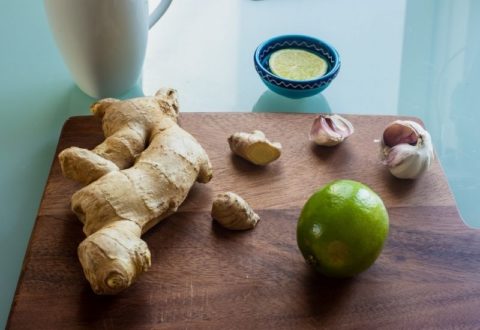
Ginger for Menstrual Cramps: A Natural Remedy Worth Trying
Menstrual cramps, also known as dysmenorrhea, are a common and often uncomfortable experience for many women. While over-the-counter pain relievers can provide temporary relief, some individuals may seek natural remedies to alleviate their symptoms. One such remedy that has gained attention in recent years is ginger. Known for its anti-inflammatory properties and long history of medicinal use, ginger has been used in traditional medicine to treat various ailments, including menstrual cramps. In this article, we will explore the potential benefits of ginger for menstrual cramps.
Ginger (Zingiber officinale) is a flowering plant native to Southeast Asia. It has been used in culinary and medicinal practices for centuries due to its distinct flavor and therapeutic properties. The root of the ginger plant contains several bioactive compounds with potential health benefits, including gingerol and shogaol.
Studies have shown that these compounds possess anti-inflammatory effects which may help reduce the severity of menstrual cramps. Inflammation plays a key role in triggering pain during menstruation by causing contractions of the uterine muscles. By reducing inflammation, ginger may provide relief from these painful contractions.
Furthermore, research suggests that ginger may act as a natural analgesic by blocking certain pain pathways in the body. This mechanism could potentially offer additional pain-relieving effects when it comes to menstrual cramps.
In a randomized controlled trial published in Pain Medicine journal in 2015, researchers investigated the effectiveness of using ginger capsules compared to placebo on primary dysmenorrhea among university students. The study found that participants who consumed 250 mg of ginger capsules four times daily experienced significant reductions in both pain intensity and duration compared to those taking placebo capsules.
While more research is needed to fully understand how ginger works specifically for menstrual cramp relief, these initial findings are promising.
So how can you incorporate ginger into your routine to potentially alleviate menstrual cramps? There are several ways to consume ginger, including fresh ginger root, powdered ginger, or as a supplement.
One simple method is to make ginger tea by steeping a few slices of fresh ginger in hot water for about 10 minutes. You can add honey or lemon juice for taste if desired. Sipping on this warm beverage throughout the day may help soothe menstrual cramps and provide relaxation.
Alternatively, you can add grated or powdered ginger to your meals or smoothies. Ginger also pairs well with other warming spices such as cinnamon and nutmeg, which can enhance its flavor while offering additional health benefits.
It’s important to note that while many people find relief from using ginger for menstrual cramps, individual results may vary. If you have severe symptoms or underlying medical conditions, it’s always best to consult with a healthcare professional before starting any new treatment regimen.
In conclusion, ginger has shown promise as a natural remedy for relieving menstrual cramps due to its anti-inflammatory properties and potential analgesic effects. Incorporating this versatile root into your diet in various forms may offer relief from the discomfort associated with dysmenorrhea. Remember that finding what works best for you might require some experimentation and patience.


Leave a Reply