Probiotics have gained significant attention in recent years for their potential health benefits. While most commonly associated with digestive health, research has shown that probiotics can have a positive impact on various aspects of our well-being. In this article, we will explore 20 different areas where probiotics may play a role in promoting good health.
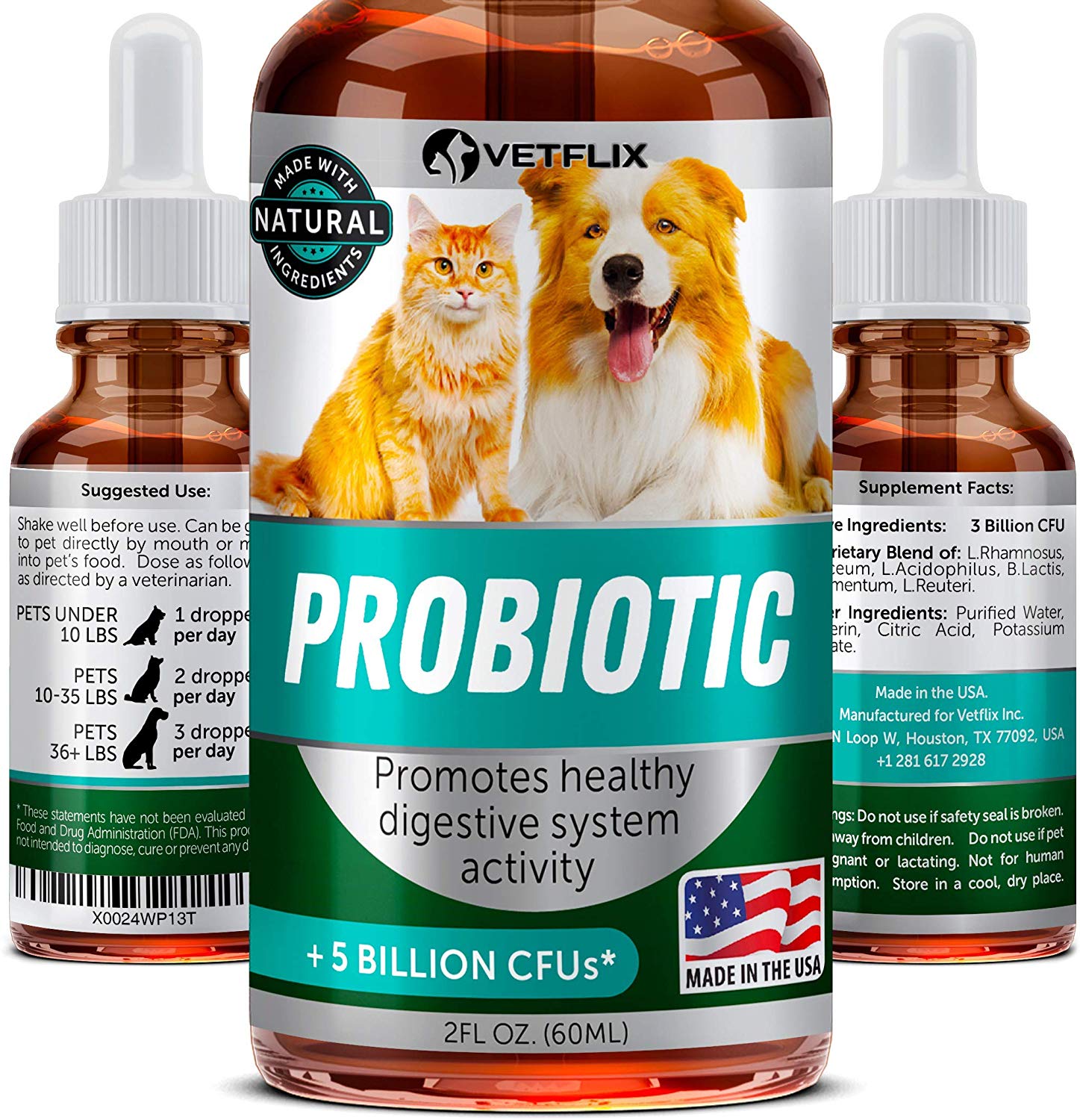
1. Probiotics for pets: Research suggests that supplementing pets with probiotics can improve their digestion, boost their immune system, and alleviate certain gastrointestinal issues.
2. Probiotics and mental health: Studies have shown a link between gut health and mental well-being. Probiotic supplementation may help reduce symptoms of anxiety and depression by modulating the gut-brain axis.
3. Probiotics and acne: Acne is often influenced by inflammation and an imbalance of bacteria on the skin. Some strains of probiotics may help reduce acne severity by reducing inflammation and restoring microbial balance.
4. Probiotics and weight loss: Certain probiotic strains have been found to promote weight loss by increasing metabolism, reducing fat absorption, and regulating appetite hormones.
5. Probiotics and allergies: Early exposure to beneficial bacteria through probiotic supplementation may help prevent allergies or reduce their severity by supporting a healthy immune response.
6. Probiotics and dental health: Several studies suggest that specific strains of oral probiotics can inhibit the growth of harmful bacteria in the mouth, leading to improved oral hygiene and reduced risk of gum disease.
7. Probiotics for infants: Supplementing newborns with certain strains of probiotics has been shown to reduce the risk of developing conditions like colic, eczema, respiratory infections, and diarrhea.
8. Probiotics and fertility: Maintaining a healthy gut microbiota could positively influence fertility outcomes due to its role in hormone regulation, reproductive organ function, inflammation reduction, etc.
9. Probiotics and autoimmune diseases: Some evidence suggests that certain probiotic strains may help regulate the immune system and reduce inflammation associated with autoimmune diseases like rheumatoid arthritis and Crohn’s disease.
10. Probiotics and liver health: Studies indicate that certain strains of probiotics can improve liver function, protect against liver damage, and even help in the management of liver diseases such as fatty liver.
11. Probiotics and menopause symptoms: Research shows that probiotics may alleviate common menopausal symptoms like hot flashes, mood swings, vaginal dryness, and urinary problems by promoting hormonal balance.
12. Probiotics for athletes: Athletes often face challenges related to their immune system due to intense training. Probiotic supplementation may help strengthen immunity, reduce exercise-induced inflammation, and enhance recovery.
13. Probiotics and eczema: Early introduction of certain probiotic strains during pregnancy or infancy has been found to reduce the risk of eczema development in children predisposed to this condition.
14. Probiotic enemas: While still being researched, some studies suggest that rectal administration of specific probiotic strains through enemas could be beneficial in treating conditions like ulcerative colitis or Clostridium difficile infection.
15. Fermented foods as natural probiotics: Foods like yogurt, sauerkraut, kimchi, kefir, tempeh, etc., are rich in natural probiotics that can support gut health when consumed regularly as part of a balanced diet.
16. Prebiotic vs probiotic: understanding the difference: Prebiotics are non-digestible fibers that serve as food for beneficial bacteria in our gut while probiotics are live microorganisms themselves. Both play important roles in maintaining gut health but have different functions.
17. The role of probiotics in preventing urinary tract infections (UTIs): Some research suggests that certain strains of Lactobacillus can help prevent recurrent UTIs by maintaining a healthy balance of bacteria in the urinary tract.
18. The impact of probiotics on cholesterol levels: Some probiotic strains, particularly those from the Lactobacillus and Bifidobacterium species, have been found to modestly reduce total cholesterol and LDL (“bad”) cholesterol levels.
19. The potential benefits of probiotics for people with diabetes: Probiotics may improve blood sugar control, insulin sensitivity, and reduce inflammation in individuals with diabetes. However, more research is needed to establish specific recommendations.
20. Exploring the use of probiotics in managing irritable bowel syndrome (IBS) symptoms: Certain strains of probiotics have shown promise in reducing IBS symptoms like abdominal pain, bloating, and irregular bowel movements by restoring gut microbial balance.
It’s important to note that while there is promising evidence supporting the use of probiotics in these areas, further research is still needed to fully understand their mechanisms and optimal usage. As always, it’s best to consult with a healthcare professional before starting any new supplement regimen.

Leave a Reply