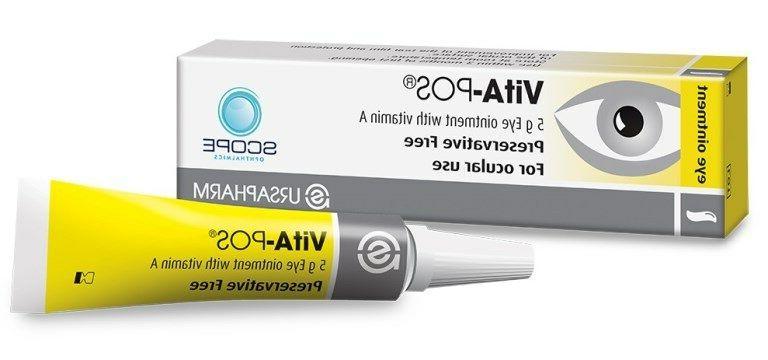
Vitamin A is a well-known nutrient that plays a crucial role in maintaining the health of our eyes. It is commonly associated with improving night vision and preventing conditions such as night blindness. However, there are several lesser-known benefits of vitamin A for eye health that are worth exploring. In this article, we will delve into these lesser-known benefits to shed light on the importance of incorporating this essential nutrient into our diet.
1. Protects Against Age-Related Macular Degeneration (AMD):
Age-related macular degeneration is one of the leading causes of vision loss among older adults. Studies have shown that a diet rich in vitamin A can help reduce the risk and progression of AMD. Vitamin A contains antioxidants called carotenoids, specifically lutein and zeaxanthin, which accumulate in the retina and protect against harmful free radicals that contribute to AMD.
2. Maintains Tear Production:
Dry eyes can be uncomfortable and even lead to blurry vision or eye infections if not addressed promptly. Vitamin A helps maintain tear production by ensuring proper lubrication of the eyes’ surface, reducing dryness and irritation.
3. Enhances Corneal Health:
The cornea is the transparent front part of the eye responsible for focusing incoming light onto the retina. Vitamin A aids in keeping the cornea healthy by promoting cell growth and repair processes within its tissues.
4. Supports Conjunctival Health:
The conjunctiva is a thin membrane covering the front surface of your eyeball and inner eyelids, protecting them from infection and damage caused by foreign particles or irritants. Adequate vitamin A intake helps maintain conjunctival health by supporting its epithelial integrity, thus reducing susceptibility to infections or inflammation.
5.Improves Ocular Surface Integrity:
Vitamin A plays an essential role in preserving ocular surface integrity by facilitating mucus production within specialized cells known as goblet cells located on your eyelids’ inner lining (conjunctiva). This mucus layer acts as a protective barrier against pathogens and foreign substances that can harm the eyes.
6. Prevents Xerophthalmia:
Xerophthalmia is a severe eye condition caused by vitamin A deficiency. It results in dryness of the conjunctiva, cornea, and other ocular surfaces, leading to night blindness and eventually irreversible damage to vision if left untreated. Adequate intake of vitamin A can prevent this condition from occurring.
7. Reduces Risk of Cataracts:
Cataracts occur when the lens of the eye becomes cloudy, causing blurred vision and eventual visual impairment. Although aging is a primary risk factor for cataract development, research suggests that diets rich in antioxidants such as vitamin A may help reduce the risk or delay cataract formation.
8. Promotes Optic Nerve Health:
The optic nerve carries visual information from the retina to the brain for interpretation. Vitamin A supports optic nerve health by providing essential nutrients required for its proper functioning.
9. Enhances Visual Acuity:
Visual acuity refers to our ability to see fine details clearly at various distances. Vitamin A plays a vital role in maintaining good visual acuity by supporting retinal health and ensuring optimal signal transmission between photoreceptor cells within the retina.
10.Increases Contrast Sensitivity:
Contrast sensitivity allows us to distinguish objects from their background accurately. Studies have shown that individuals with adequate levels of vitamin A tend to have better contrast sensitivity compared to those with a deficiency.
11.Supports Eye Muscle Function:
Eye muscles are responsible for controlling our eye movements and maintaining proper alignment during visual tasks such as reading or tracking objects smoothly across different distances. Vitamin A helps maintain healthy eye muscles by promoting muscle tissue repair and function.
12.Prevents Photokeratitis:
Photokeratitis is commonly known as “snow blindness” or “sunburned eyes.” It occurs when ultraviolet (UV) radiation from the sun damages the cornea and conjunctiva. Vitamin A acts as a natural protector against photokeratitis by strengthening these ocular tissues and reducing the risk of UV-induced damage.
While it is crucial to obtain vitamin A from dietary sources, it’s important to note that excessive intake can be harmful. The recommended daily allowance for adults is around 700-900 micrograms of vitamin A, depending on age and gender. It’s best to consult with a healthcare professional or registered dietitian for personalized advice on meeting your individual nutritional needs.
Incorporating foods rich in vitamin A into your diet is relatively easy. Some excellent sources include liver, sweet potatoes, carrots, spinach, kale, broccoli, apricots, mangoes, and dairy products like milk and cheese.
In conclusion, while many people are aware of the importance of vitamin A for eye health in terms of night vision and preventing night blindness, there are numerous lesser-known benefits worth considering. From protecting against age-related macular degeneration to supporting tear production and maintaining ocular surface integrity – vitamin A plays a multifaceted role in preserving our visual health throughout life. By incorporating foods rich in this essential nutrient into our diet or consulting with healthcare professionals about supplementation if needed – we can take proactive steps towards ensuring optimal eye health for years to come.

Leave a Reply