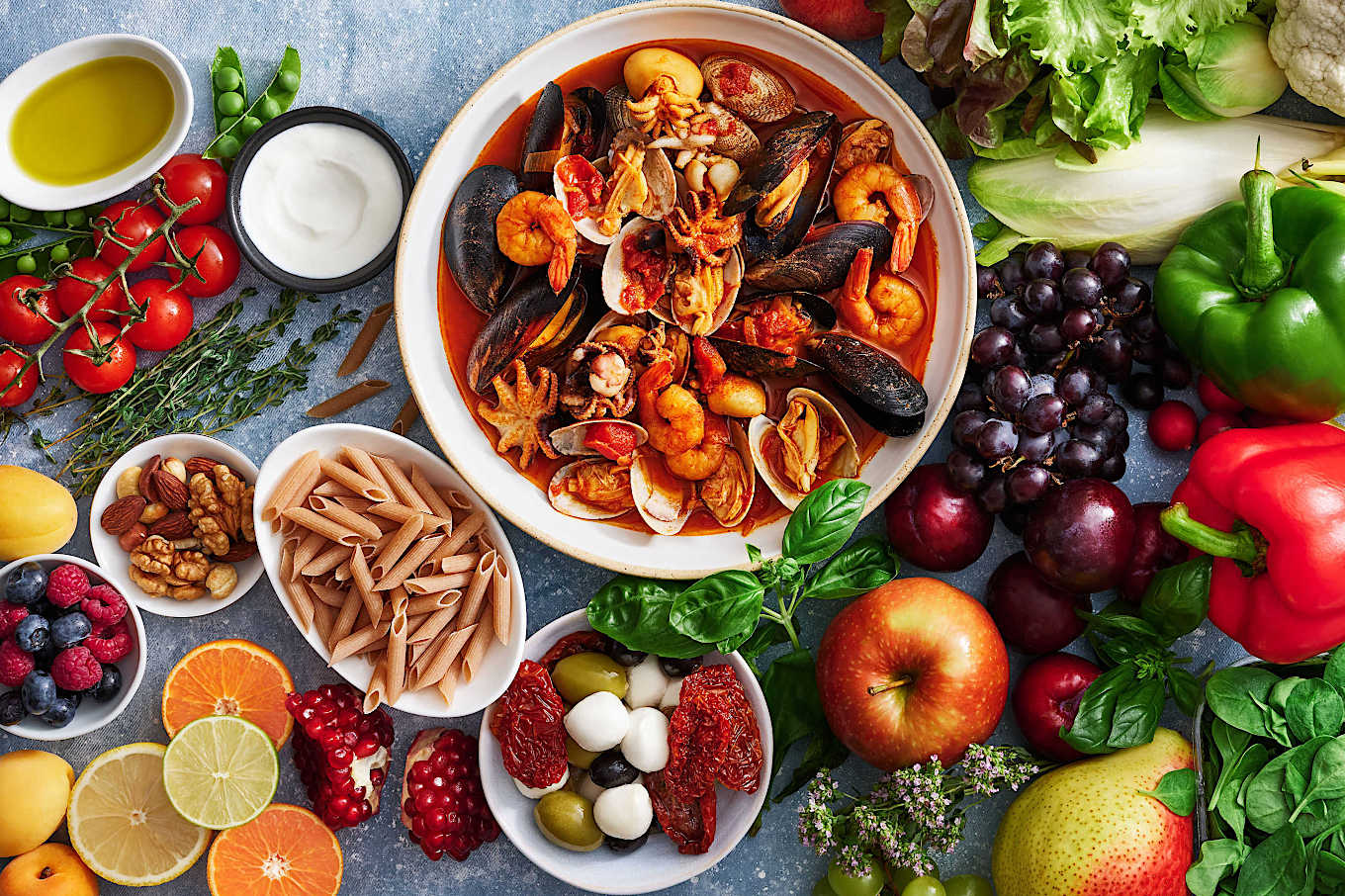
The Mediterranean diet has gained immense popularity in recent years due to its numerous health benefits. This eating pattern is inspired by the traditional dietary habits of countries bordering the Mediterranean Sea, such as Greece, Italy, and Spain. It focuses on consuming whole foods like fruits, vegetables, legumes, whole grains, lean proteins, and healthy fats while limiting processed foods and added sugars.
If you’re looking to start the Mediterranean diet but are unsure where to begin, don’t worry! In this panel discussion-style post, we will provide you with expert advice from nutritionists and dietitians on how to kickstart your journey towards a healthier lifestyle.
Panelist 1: Bethany Thompson – Registered Dietitian
Panelist 2: Dr. Michael Johnson – Nutrition Scientist
Panelist 3: Sarah Reynolds – Health Coach
Moderator: Welcome everyone! Let’s start by discussing why the Mediterranean diet is considered one of the healthiest diets out there.
Bethany Thompson: The Mediterranean diet promotes heart health by emphasizing plant-based foods that are rich in fiber and antioxidants. It also incorporates healthy fats like olive oil and nuts which have been linked to reduced risk of chronic diseases such as diabetes and certain types of cancer.
Dr. Michael Johnson: Absolutely! The high intake of fruits and vegetables provides essential vitamins and minerals while being low in calories. Additionally, the inclusion of fish as a primary protein source offers omega-3 fatty acids that help reduce inflammation in the body.
Sarah Reynolds: From a holistic perspective, I love how this way of eating encourages mindful eating practices. Meals are often enjoyed with family or friends which can improve overall well-being by fostering social connections.
Moderator: Those are indeed compelling reasons for adopting this lifestyle. Now let’s dive into practical steps individuals can take when starting the Mediterranean diet.
Bethany Thompson: To get started with the Mediterranean diet, focus on incorporating more plant-based foods into your meals. Begin by adding a variety of vegetables to your plate, such as leafy greens, tomatoes, cucumbers, and bell peppers. You can also include legumes like chickpeas or lentils for added fiber and protein.
Dr. Michael Johnson: That’s right! Another key aspect is choosing whole grains over refined grains. Opt for foods like brown rice, quinoa, whole wheat bread or pasta instead of their white counterparts. These provide more nutrients and have a lower impact on blood sugar levels.
Sarah Reynolds: I would also suggest swapping out unhealthy fats with healthier alternatives. Replace butter with olive oil when cooking, use avocado instead of mayonnaise in sandwiches, and incorporate nuts and seeds into your snacks.
Moderator: Great suggestions! What about proteins? How can individuals ensure they are getting enough while following the Mediterranean diet?
Bethany Thompson: Lean sources of protein are essential in the Mediterranean diet. Fish such as salmon, tuna, and sardines are rich in omega-3 fatty acids which promote heart health. Poultry like chicken or turkey is another good option.
Dr. Michael Johnson: For vegetarians or those looking to reduce meat consumption, legumes like beans and lentils offer an excellent source of plant-based protein. Additionally, including moderate amounts of dairy products such as Greek yogurt or cheese is common in this diet.
Sarah Reynolds: Adding nuts and seeds like almonds or chia seeds to meals is another way to increase protein intake while enjoying the benefits of healthy fats at the same time.
Moderator: Now that we’ve covered the basics of food choices within the Mediterranean diet let’s discuss meal planning strategies that can help individuals adhere to this lifestyle change.
Bethany Thompson: Meal planning is crucial when starting any new eating pattern. Start by making a list of Mediterranean-inspired recipes you’d like to try during the week ahead. This will help ensure you have all the necessary ingredients on hand.
Dr. Michael Johnson: Another helpful tip is to batch cook certain components of your meals, such as grains or roasted vegetables. This makes it easier to assemble quick and nutritious dishes throughout the week.
Sarah Reynolds: Including a variety of colors in your meals can make them more visually appealing and nutritionally diverse. For example, adding different colored fruits and vegetables like berries, oranges, spinach, and eggplant to your plate can provide a range of vitamins and minerals.
Moderator: That’s excellent advice! Let’s now address common challenges individuals may face when starting the Mediterranean diet and suggest strategies for overcoming them.
Bethany Thompson: One challenge people often encounter is finding suitable alternatives for processed snacks. Instead of reaching for chips or cookies, choose whole foods like fresh fruit or raw nuts as healthier options.
Dr. Michael Johnson: It can also be challenging to eat out while following this eating pattern since restaurant menus may not align with Mediterranean diet principles. However, most places offer salads or grilled fish that can be adapted to fit this lifestyle.
Sarah Reynolds: Building a support system is essential when making dietary changes. Find friends or family members who are also interested in adopting the Mediterranean diet and share recipes or meal ideas with each other.
Moderator: We’re nearing the end of our discussion today. Before we conclude, does anyone have any final thoughts they’d like to share?
Bethany Thompson: Remember that adopting the Mediterranean diet is about making sustainable changes rather than following strict rules. Focus on progress over perfection!
Dr. Michael Johnson: Absolutely! Small steps towards incorporating more whole foods into your daily routine will go a long way in improving overall health outcomes.
Sarah Reynolds: And don’t forget to enjoy the process! The Mediterranean lifestyle promotes pleasure from food through mindful eating practices and shared meals with loved ones.
Moderator: Thank you all for sharing your insights on how to start the Mediterranean diet with our readers today. Your expertise will undoubtedly help many individuals embark on a healthier and more sustainable eating journey.

Leave a Reply