Sprouted Grains in Raw Food Diet
When it comes to raw food diets, sprouted grains are often a topic of debate. Some argue that sprouted grains provide valuable nutrients and enzymes, while others believe they should be avoided due to their high carbohydrate content. Let’s take a closer look at the role of sprouted grains in a raw food diet.
Grains such as wheat, barley, and oats can be soaked and allowed to germinate or sprout. This process activates enzymes within the grain that break down complex carbohydrates into simpler sugars, making them easier for our bodies to digest. Sprouting also increases the availability of certain vitamins and minerals.
One major benefit of including sprouted grains in a raw food diet is their nutrient density. Sprouting enhances the bioavailability of vitamins like B-complex vitamins (including folate), vitamin C, and vitamin E. Additionally, minerals like iron, zinc, calcium, and magnesium become more accessible to our bodies during the sprouting process.
Sprouted grains are also rich in fiber which aids digestion and supports gut health. The high fiber content helps regulate blood sugar levels by slowing down the release of glucose into the bloodstream after meals. Moreover, fiber promotes satiety and may assist with weight management.
Another advantage is that sprouted grains contain live enzymes that aid digestion. Enzymes help break down food particles so that nutrients can be absorbed efficiently by our bodies. Raw food enthusiasts believe that consuming foods with naturally occurring enzymes contributes to better overall digestive health.
Nevertheless, it’s important to note that not everyone thrives on a diet rich in grain-based foods – even when they’re sprouted. Certain individuals may have sensitivities or intolerances to gluten or other components found in grains. It’s crucial for each individual to listen to their body’s response when incorporating any new foods into their diet.
Incorporating fermented foods into a raw food lifestyle
Fermented foods have gained popularity in recent years for their potential health benefits. They undergo a process called lacto-fermentation, where natural bacteria feed on the sugars and starches in food, creating lactic acid. This process not only preserves the food but also produces probiotics – beneficial bacteria that can support gut health.
One of the main advantages of consuming fermented foods is their ability to promote a healthy gut microbiome. Our digestive tracts are home to billions of microorganisms that play a vital role in our overall well-being. The probiotics found in fermented foods help maintain a balanced gut flora by increasing the number of beneficial bacteria.
Fermented foods are also easier to digest due to the breakdown of complex carbohydrates and proteins during fermentation. This makes them ideal for individuals with sensitive digestion or those who struggle with bloating and gas after meals.
Furthermore, fermented foods can enhance nutrient absorption. The process of fermentation increases the availability and bioavailability of certain nutrients like B vitamins, vitamin K2, and various minerals. Consuming fermented foods alongside raw plant-based meals can optimize nutrient intake and support overall health.
There is a wide range of fermented foods available that can be incorporated into a raw food diet. Some popular options include sauerkraut (fermented cabbage), kimchi (Korean spicy fermented vegetables), kefir (a cultured dairy product), kombucha (a fizzy fermented tea drink), and tempeh (fermented soybean cake).
Raw Food Desserts without Added Sweeteners
When it comes to indulging our sweet tooth while following a raw food lifestyle, there are plenty of delicious options available that don’t rely on added sweeteners like refined sugar or artificial substitutes.
Dates are one common ingredient used in raw desserts as they provide natural sweetness along with fiber, vitamins, and minerals. Medjool dates are particularly popular due to their soft texture and caramel-like flavor when blended into creamy dessert bases.
Another popular ingredient is raw cacao powder or nibs. Cacao is rich in antioxidants, magnesium, and iron. It adds a deep chocolatey flavor to desserts without the need for processed cocoa powder or sugary chocolate.
Nuts and seeds play a crucial role in creating raw dessert textures. They can be blended into creamy fillings for pies and cheesecakes or ground into flour for crusts. Almonds, cashews, walnuts, and macadamia nuts are commonly used due to their mild flavors and versatility.
Coconut products like coconut cream, milk, or shredded coconut are often used as a base in raw desserts. They add richness and tropical flavor while providing healthy fats that contribute to satiety.
Fresh fruits such as berries, bananas, mangoes, and citrus fruits can be incorporated into raw desserts to provide natural sweetness and vibrant flavors. These fruits also bring additional fiber, vitamins, minerals, and antioxidants to the table.
To enhance the flavor of raw desserts without adding sweeteners directly, spices like cinnamon, ginger, nutmeg or extracts such as vanilla bean paste or almond extract can be added. These ingredients impart depth of flavor without compromising the healthiness of the dessert.
By utilizing these natural ingredients with their inherent sweetness combined with creative techniques like freezing or dehydrating certain components (such as frozen fruit popsicles or dried fruit leathers), it’s possible to create satisfying treats without relying on refined sugar or artificial sweeteners.
The Role of Seaweed in a Raw Food Diet
Seaweed may not immediately come to mind when considering raw food diets; however, it offers numerous benefits that make it an excellent addition to any plant-based eating plan.
One key advantage of incorporating seaweed into a raw food diet is its impressive nutrient profile. Seaweeds are packed with vitamins A (in the form of beta-carotene), C,E,K1,B2,B9( folate), and minerals such as iodine, calcium, magnesium, potassium, and iron. These nutrients play vital roles in maintaining optimal health.
Iodine is a mineral that plays a crucial role in thyroid function and metabolism. Seaweeds are one of the few plant-based sources of iodine, making them particularly important for individuals following a raw vegan diet who may not consume iodized salt or seafood.
Seaweed also contains high levels of antioxidants like carotenoids and flavonoids which help protect against oxidative stress caused by free radicals in the body. These compounds have been linked to reduced inflammation and lower risk factors for chronic diseases.
Another advantage is seaweed’s rich fiber content. Fiber promotes healthy digestion by adding bulk to stool and helping prevent constipation. Additionally, it can contribute to feelings of fullness after meals, aiding with weight management.
Seaweed comes in various forms such as nori (used for sushi rolls), dulse flakes (a popular seasoning or snack), wakame (commonly used in salads or soups) and kelp noodles (a gluten-free pasta alternative). These versatile options allow for easy incorporation into raw meals.
It’s important to note that while seaweeds offer many benefits when consumed in moderation, they can be naturally high in sodium due to their marine habitat. Individuals on low-sodium diets should exercise caution when incorporating seaweed into their daily routine or opt for low-sodium varieties.
Raw Food Smoothie Bowl Recipes
Smoothie bowls have become increasingly popular among health-conscious individuals due to their versatility, convenience, and ability to pack a nutritional punch. Here are some delicious raw food smoothie bowl recipes that will brighten up your mornings:
1. Tropical Paradise Bowl:
– 1 frozen banana
– 1 cup frozen mango chunks
– ½ cup pineapple chunks
– ½ cup coconut water or almond milk
– Toppings: fresh berries, shredded coconut, chia seeds
2. Berry Blast Bowl:
– 1 cup frozen mixed berries (strawberries, blueberries, raspberries)
– 1 small ripe avocado
– ½ cup unsweetened almond milk or coconut water
– Toppings: granola, sliced banana, hemp seeds
3. Green Goddess Bowl:
– 1 frozen banana
– Handful of spinach or kale leaves
– ¼ avocado
– Juice of half a lemon
– ½ cup coconut water or almond milk
– Toppings: sliced kiwi, pumpkin seeds, bee pollen
4. Chocolate Peanut Butter Bowl:
– 2 frozen bananas
– 2 tablespoons raw cacao powder
– 2 tablespoons peanut butter
– 1/2 cup almond milk (for blending)
– Toppings: crushed peanuts and cacao nibs
5. Matcha Madness Bowl:
– 2 teaspoons matcha powder
– 1 large frozen banana
– 1 handful spinach
– ½ avocado
– ½ cup almond milk (for blending)
– Toppings: sliced strawberries and hemp hearts
These recipes serve as a starting point for your creativity in the kitchen. Feel free to modify them based on your taste preferences and ingredient availability.
Incorporating Wild Edibles into Raw Meals
Exploring wild edibles can be an exciting way to add variety and unique flavors to your raw food meals. However, it’s essential to exercise caution when foraging and ensure you correctly identify edible plants before consumption.
One commonly recognized wild edible is dandelion greens. These vibrant leaves are packed with vitamins A,C,K,B6,e,folic acid,and minerals like iron,potassium,and calcium.Dandelion greens have a slightly bitter taste that can add a refreshing twist to salads or be blended into smoothies.
Purslane is another wild edible known for its omega-3 fatty acid content. This succulent plant has a slightly tangy flavor and can be enjoyed fresh in salads or used as a filling in wraps.
Lambsquarters, often referred to as “wild spinach,” is high in vitamins A,C,K,B2,fiber,and minerals like iron,magnesium,and potassium. Its leaves have a mild taste similar to spinach and can be used interchangeably in recipes calling for cooked or raw greens.
Stinging nettles may sound intimidating due to their prickly nature; however, once blanched or marinated, they lose their sting and become highly nutritious. Nettle leaves are rich in vitamins A,C,K,B-complex,folic acid,minerals like calcium,potassium,and magnesium.They can be added to pestos,soups,stir-fries,or even infused into tea.
Wild mushrooms are yet another option for adventurous raw food enthusiasts; however,it’s crucial to have extensive knowledge of mushroom identification before consuming any wild varieties.Raw mushrooms such as maitake,oyster,enoki,and portobello can offer unique flavors when incorporated into raw dishes like salads,cashew-based cheese spreads,or marinated mushroom “steaks.”
Remember, it’s always advisable to consult with an experienced forager or expert before incorporating wild edibles into your diet. Proper identification and usage are essential for safe consumption.
Raw Food Snacks for On-the-Go Lifestyles
Adopting a raw food lifestyle doesn’t mean sacrificing convenience when it comes to snacking on the go. Here are some quick and easy snack ideas that require minimal preparation:
1. Raw nuts and seeds: Almonds,walnuts,cashews,hemp seeds,chia seeds,and pumpkin seeds make excellent portable snacks.Pack them individually or create your own trail mix by combining different varieties.
2. Fresh fruits: Fruits like apples,bananas,grapes,oranges,and berries are naturally portable and require no preparation. Slice them ahead of time for easy snacking and pack in a reusable container or bag.
3. Raw energy bars or balls: Make your own raw energy bars or balls at home using dates,nuts,seeds,cacao powder,dried fruits,and spices.Blend the ingredients together in a food processor then shape into bars or bite-sized balls.Store in the refrigerator for quick grab-and-go options.
4. Raw vegetable sticks with dips: Carrot sticks,cucumber slices,bell pepper strips,and celery can be paired with homemade raw hummus,salsa guacamole,tofu-based dressings,or nut butter for a satisfying snack.
5. Dehydrated fruit chips: Use a dehydrator to make your own dried apple chips,mango slices,pineapple rings,or banana chips without any added sugars or preservatives.These crunchy snacks provide natural sweetness while being shelf-stable and travel-friendly.
6. Raw granola bars: Make your own raw granola bars by combining nuts,oats,dried fruits,nut butter,and sweeteners like dates,maple syrup,or honey.Press the mixture into a pan then chill until firm.Cut into individual portions for an on-the-go snack option.
7. Nori wraps: Wrap fresh vegetables like cucumber,julienned carrots,bell peppers,and avocado in nori seaweed sheets.For added protein,you can include marinated tofu strips or tempeh.Slice into bite-sized pieces and secure with toothpicks for easy snacking.
8.Raw kale chips: Tear kale leaves into bite-sized pieces,toss with olive oil,salt,paprika,nutritional yeast(or any desired seasonings),then dehydrate until crispy.Kale chips offer a nutritious alternative to traditional potato chips while satisfying cravings for something savory and crunchy.
Remember to pack your snacks in reusable containers or bags to reduce waste and contribute to a more sustainable lifestyle. With these quick and simple snack ideas, you can maintain your raw food lifestyle even when you’re on the move.
The Importance of Soaking Nuts and Seeds in a Raw Food Diet
Soaking nuts and seeds is an essential step in many raw food recipes as it offers numerous benefits that enhance their nutritional value and digestibility.
Nuts and seeds contain enzyme inhibitors, which are natural substances that prevent premature sprouting. These inhibitors can make them difficult to digest, leading to discomfort or digestive issues for some individuals. Soaking helps neutralize these enzyme inhibitors, making nuts and seeds easier on the digestive system.
Additionally, soaking activates enzymes within the nuts and seeds themselves. Enzymes are responsible for breaking down complex carbohydrates, proteins, and fats into simpler forms that our bodies can absorb more easily. Activating these enzymes through soaking enhances nutrient availability during digestion.
Furthermore, soaking promotes germination or sprouting of nuts and seeds if left for longer periods. This process increases the bioavailability of certain nutrients like vitamins (especially B vitamins) while reducing antinutrients such as phytic acid – a compound that binds minerals like zinc,copper,and iron,reducing their absorption.Sprouted nuts or seeds are also said to be easier to digest due to their partially broken-down state.
So how do you soak nuts and seeds? The general rule of thumb is to cover them with filtered water (ideally at room temperature), adding a pinch of salt if desired.Then let them sit for several hours or overnight.The exact soaking time depends on the specific nut or seed;here’s a rough guideline:
– Almonds: 8-12 hours
– Cashews: 2-4 hours
– Walnuts: 4-6 hours
– Sunflower Seeds: 2-4 hours
– Pumpkin Seeds: 2-4 hours
– Chia Seeds: 10-15 minutes
After soaking, rinse the nuts or seeds thoroughly and drain. They can be enjoyed as is, added to raw recipes, or dehydrated at a low temperature for increased crispiness and shelf life.
By incorporating soaked nuts and seeds into your raw food diet, you can optimize nutrient absorption while minimizing digestive discomfort. Soaking is a simple yet impactful step that enhances the overall nutritional quality of your meals.
Creative Uses for Dehydrated Fruits and Vegetables in Raw Cuisine
Dehydrating fruits and vegetables is an excellent way to preserve their nutritional value while adding unique textures and flavors to raw dishes. Here are some creative ideas for incorporating dehydrated fruits and vegetables into your raw cuisine:
1. Raw granola: Blend together dehydrated fruits like dates,raisins,fresh apples,and cinnamon with sprouted buckwheat groats,nuts,and seeds.Spread the mixture onto a dehydrator tray and dry until crispy.This homemade granola can be enjoyed on its own or sprinkled over smoothie bowls,yogurt parfaits,or salads.
2. Fruit leathers: Puree fresh fruit such as strawberries,mangoes,pineapples,or peaches then spread the mixture evenly on a lined dehydrator tray.Dehydrate until pliable but not sticky.Cut into strips or shapes for naturally sweet treats that are perfect for snacking on-the-go.
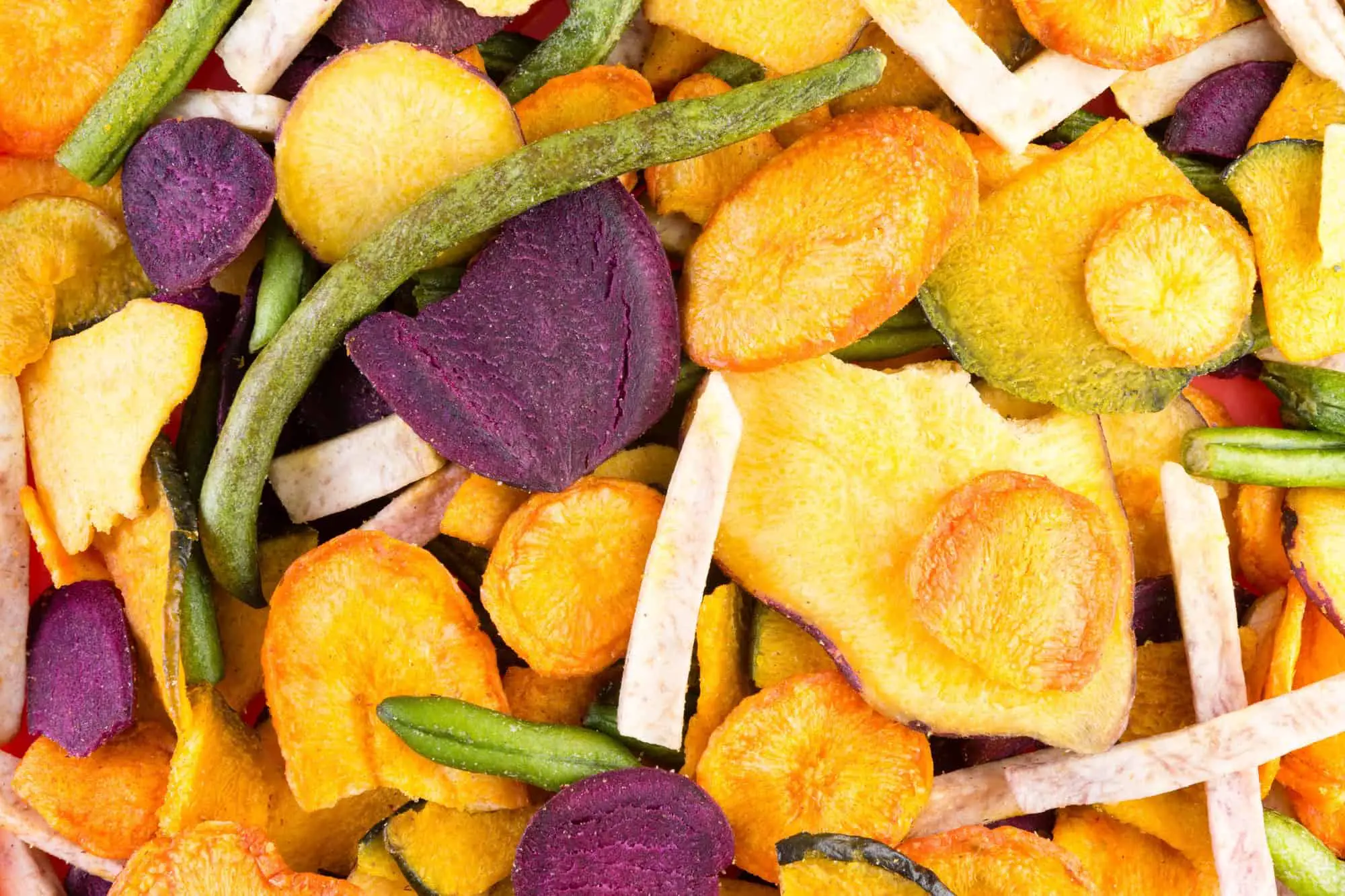
3. Vegetable chips: Slice zucchini,sweet potatoes,kale leaves,jicama,cherry tomatoes,zucchini,cucumber,carrots,bell peppers ,or any other vegetable thinly using a mandoline.Slice them uniformly for even drying.Toss with olive oil,salt,and seasonings like paprika,onion powder,g arlic powder,dried herbs (such as rosemary or thyme),and chili powder.Spread in a single layer on dehydrator trays and dry until crisp.
4. Raw pizza crust: Blend together dehydrated zucchini,flaxseeds,sunflower seeds,nutritional yeast,and seasonings such as garlic powder,onion powder,oregano,and basil until mixture forms a dough-like consistency.Spread the dough onto a lined dehydrator tray and shape into desired thickness.Dehydrate until firm enough to hold toppings.Use it as a gluten-free base for raw pizzas topped with fresh vegetables and nut-based cheese.
5. Dehydrated fruit powders: Grind dehydrated fruits like strawberries,blueberries,mangoes,pineapples ,or raspberries into fine powders using a blender or coffee grinder.These fruit powders can be used to add natural flavors,sweetness,and vibrant colors to smoothies,baked goods,desserts,or homemade energy bars.
6. Raw croutons: Cut dehydrated bread-like slices from flaxseed crackers or sprouted grain bread.Dehydrate them further until crispy.Crush or cut them into bite-sized pieces then sprinkle over salads,soups,or raw pasta dishes for added crunch and texture.
7. Fruit chips in chocolate dips: Dip fully dried banana chips,strawberry slices,k aren appleslices ,or mango strips partially in melted raw dark chocolate.Place the dipped chips back on the dehydrator tray and allow the chocolate coating to solidify.This creates an indulgent yet nutritious snack that satisfies both sweet and crunchy cravings.
Dehydration is an excellent technique for preserving produce while adding new dimensions of flavor,textures

Leave a Reply