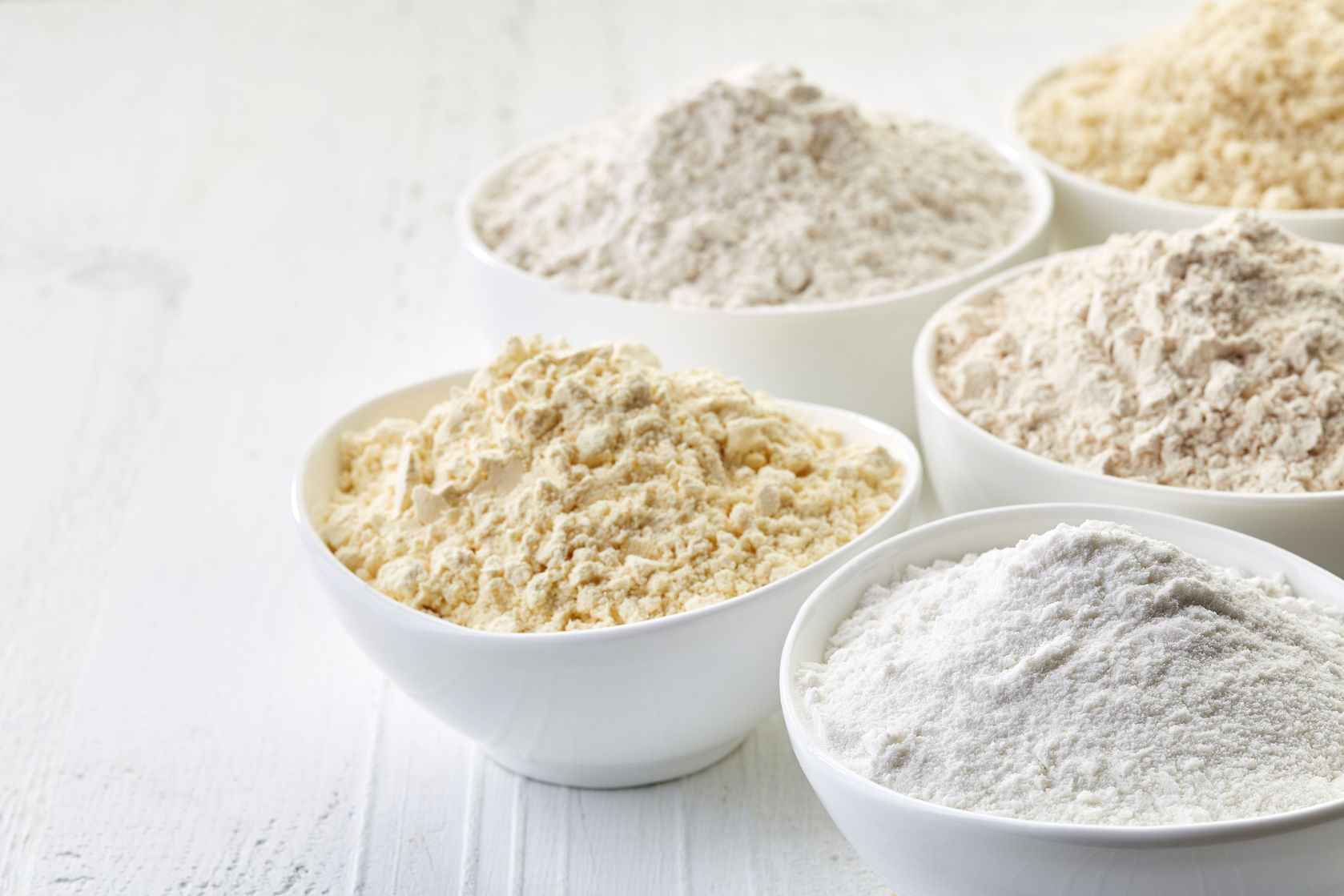
Gluten-Free Flours: A Guide to Healthy Alternatives
In recent years, the popularity of gluten-free diets has soared. Whether you have celiac disease, a gluten sensitivity, or simply choose to avoid gluten for health reasons, there are now more options than ever when it comes to gluten-free flours. These alternatives not only provide a safe solution for those who need to eliminate gluten from their diet but also offer unique flavors and nutritional benefits. In this article, we will explore some of the most popular and versatile gluten-free flours available today.
1. Almond Flour:
Made from ground almonds, almond flour is a nutrient-dense alternative that offers a rich flavor profile. It is packed with protein, healthy fats, fiber, vitamin E, and magnesium. Almond flour works well in baked goods like cookies and muffins but can also be used as a coating for meat or fish.
2. Coconut Flour:
Derived from dried coconut meat after extracting its oil, coconut flour is high in fiber and low in carbohydrates compared to other flours. It adds a subtle sweetness and moisture to recipes while providing essential nutrients such as iron and potassium. Due to its high absorbency rate, coconut flour requires additional liquid when baking.
3. Buckwheat Flour:
Despite its name containing “wheat,” buckwheat is actually a seed unrelated to wheat and naturally free of gluten. Buckwheat flour has a nutty flavor profile that pairs well with savory dishes like pancakes or noodles while offering significant amounts of protein, fiber, vitamins B6 and E.
4. Quinoa Flour:
Quinoa is often touted as one of the healthiest grains on earth due to its complete protein profile containing all essential amino acids necessary for human nutrition. Ground quinoa seeds make an excellent choice for making breads or cakes since they provide added structure without compromising taste.
5. Brown Rice Flour:
Brown rice flour offers versatility combined with a mild and slightly nutty taste. It is an excellent choice for baking bread, cookies, or pancakes and can also be used as a thickening agent in sauces or gravies. Brown rice flour contains fiber, iron, and B vitamins.
6. Oat Flour:
Oats are naturally gluten-free; however, they are often processed alongside wheat products, leading to cross-contamination issues. Certified gluten-free oat flour is available for those with celiac disease or severe gluten sensitivities. Oat flour adds moisture and a pleasant texture to baked goods while providing dietary fiber and minerals like manganese.
7. Chickpea Flour (Gram Flour):
Made from ground chickpeas (garbanzo beans), chickpea flour is commonly known as gram flour or besan. It has a distinct flavor that works well in savory dishes such as socca or falafel but can also be used in sweet recipes like pancakes or brownies. Chickpea flour is high in protein, fiber, folate, and iron.
8. Sorghum Flour:
Sorghum flour comes from the ancient grain sorghum and offers a mild taste similar to wheat flours without the gluten content. It works well when combined with other flours for making breads, muffins, or cookies while adding dietary fiber, antioxidants like phenolic compounds, magnesium, and iron.
9. Teff Flour:
Teff is an Ethiopian grain known for its small size yet impressive nutritional value. Teff flour has a unique earthy flavor that pairs well with chocolate-based recipes or traditional Ethiopian injera breads. This nutritious grain provides protein, calcium,
and resistant starch which acts as prebiotic food for beneficial gut bacteria.
10.Buckwheat Flour:
Buckwheat flour comes from grinding buckwheat seeds into a fine powder which makes it suitable for various culinary purposes such as baking breads,
pancakes,and pastas. Buckwheat is naturally gluten-free, rich in fiber,
protein, and essential minerals such as manganese and magnesium.
When incorporating gluten-free flours into your recipes, keep in mind that due to their different textures and moisture levels, they may not always be a one-to-one substitute for wheat flour. Experimentation with ratios and additional binding agents like xanthan gum or psyllium husk can help achieve desired results.
In conclusion, the world of gluten-free flours is vast and diverse. From almond flour’s nutty richness to coconut flour’s natural sweetness, there is a wide range of options available to suit various tastes and dietary needs. Embrace these alternatives in your kitchen to create delicious gluten-free dishes without compromising on taste or nutrition.

Leave a Reply