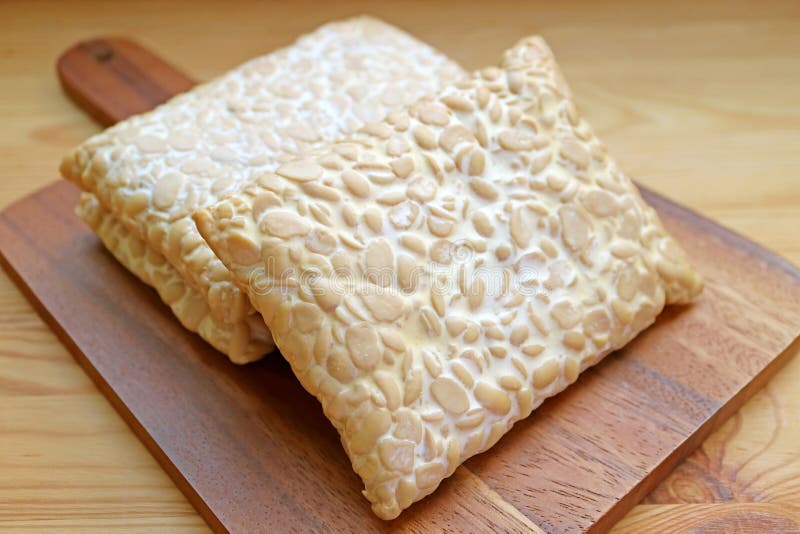
Tempeh, a traditional Indonesian food made from fermented soybeans, has gained popularity in recent years as a nutritious and versatile plant-based protein. This article will delve into various aspects of tempeh, including its marinades and flavorings, lesser-known recipes, fermentation process, role as a meat substitute in traditional dishes, types of soybeans used in production, health benefits, impact on vegan and vegetarian diets, gut health and digestion, nutritional profile compared to other plant-based proteins, origins and history, probiotic content and immune system impact.
Tempeh Marinades and Flavorings:
One of the great things about tempeh is its ability to absorb flavors well. It can be marinated or seasoned with various ingredients to enhance its taste. Popular marinades for tempeh include soy sauce or tamari (gluten-free soy sauce), garlic powder or minced garlic cloves for added savory notes. Other options are balsamic vinegar or apple cider vinegar for tanginess; maple syrup or agave nectar for sweetness; liquid smoke or smoked paprika for a smoky flavor; and various herbs like rosemary or thyme to add depth. Marinating tempeh before cooking allows it to soak up these flavors making it more delicious.
Lesser-Known Tempeh Recipes:
While many people are familiar with stir-fries using tempeh cubes as a meat replacement or adding it to sandwiches/wraps as an alternative protein source, there are several unique recipes that showcase the versatility of this ingredient. Some lesser-known but delicious options include:
1) Tempeh Bolognese: Crumble tempeh into small pieces resembling ground meat texture and cook it along with onions, garlics tomato paste until well combined. Add tomatoes/sauce with herbs like oregano/basil.
2) BBQ Tempeh Sliders: Slice the tempeh into thin strips/sliders size pieces and marinate in a BBQ sauce. Grill or pan-fry until caramelized, then serve on mini buns with coleslaw for a tasty appetizer.
3) Tempeh Satay Skewers: Cut tempeh into small cubes and marinate them in a mixture of soy sauce, peanut butter, lime juice, ginger, and garlic. Thread the marinated tempeh onto skewers and grill/bake until golden brown.
The Fermentation Process of Tempeh:
Tempeh is made by fermenting cooked soybeans with a mold called Rhizopus oligosporus. The first step involves soaking soybeans overnight to soften them. After draining the beans, they are cooked until tender. Once cooled, the beans are mixed with the starter culture (inoculum), usually in the form of powdered spores or pre-made tempeh starter which contains live cultures. The mixture is then tightly packed into perforated containers or wrapped in banana leaves to allow air circulation while keeping out other microorganisms. It is left at room temperature for around 24-48 hours for fermentation to occur. During this time, the mold grows on the surface of each bean creating a white mycelium network that binds them together into a firm cake-like texture.
Tempeh as a Meat Substitute in Traditional Dishes:
In Indonesian cuisine where tempeh originates from, it has long been used as an affordable source of protein and often features prominently in traditional dishes. One popular dish is “Sambal Goreng Tempe,” which consists of sliced tempeh stir-fried with spices such as shallots, garlic, chili peppers, tamarind paste, palm sugar; resulting in sweet-savory-spicy flavor notes that complement rice dishes perfectly. Another well-known Indonesian dish using tempeh is “Rendang Sapi.” Traditionally prepared with beef but can be substituted with tempeh. The dish involves cooking the tempeh in a rich and aromatic coconut milk-based sauce with spices like lemongrass, galangal, turmeric leaves, and chili peppers until the flavors are deeply infused.
Different Types of Soybeans Used in Tempeh Production:
While soybeans are the primary ingredient used to make tempeh, there are different varieties of soybeans that can be used. The most common type is the yellow soybean. It has a mild flavor and creamy texture when fermented into tempeh. However, other types such as black or brown soybeans can also be used to create unique variations of tempeh with distinct tastes and textures. Black soybeans have a more earthy flavor while brown soybeans are nuttier in taste.
Health Benefits of Consuming Tempeh Regularly:
Tempeh offers numerous health benefits due to its nutrient profile and fermentation process. Firstly, it is an excellent source of plant-based protein containing all essential amino acids required by our bodies for various functions including muscle growth and repair. Additionally, it is rich in fiber which aids digestion, supports heart health by reducing cholesterol levels, helps regulate blood sugar levels preventing spikes after meals; this makes it suitable for individuals with diabetes or those looking to manage their weight effectively.
Tempeh’s Role in Vegan and Vegetarian Diets:
For vegans and vegetarians looking for alternative protein sources without compromising on taste or nutritional value, tempeh is an excellent option. With its meat-like texture when cooked properly along with its ability to absorb flavors well through marinades/spices; it provides a satisfying substitute for animal proteins like chicken/beef/pork/fish etc., making it versatile enough to fit into various recipes/meals while providing essential nutrients that might be lacking from other plant-based foods.
Tempeh’s Impact on Gut Health and Digestion:
The fermentation process involved in making tempeh results in the production of beneficial bacteria known as probiotics. Probiotics promote a healthy balance of gut flora, improving digestion and nutrient absorption. They also support immune function by strengthening the gut barrier against harmful pathogens. Additionally, tempeh’s high fiber content helps regulate bowel movements and promotes overall digestive health.
Tempeh’s Nutritional Profile Compared to Other Plant-Based Proteins:
Compared to other plant-based proteins like tofu or seitan, tempeh offers several nutritional advantages. It is higher in protein content and provides more essential amino acids than tofu, making it a great choice for those looking to increase their protein intake without relying on animal products. Tempeh is also rich in vitamins and minerals such as iron, calcium, magnesium, potassium, and B vitamins which are important for energy production and overall health.
Exploring the Origins and History of Tempeh:
Tempeh has a long history dating back over 2000 years in Indonesia where it originated from. The fermentation process used to make tempeh is believed to have been discovered accidentally when soybeans were left out in warm weather conditions allowing natural molds/bacteria present in the environment/air around them; convert them into edible food with enhanced nutritional value & taste due to fermentation process breaking down complex nutrients into simpler forms that our bodies can easily absorb/utilize.
Tempeh as a Source of Probiotics and Its Impact on the Immune System:
As mentioned earlier, tempeh contains live cultures of beneficial bacteria known as probiotics due to its fermentation process. These probiotics play a crucial role in supporting our immune system by promoting a healthy balance of gut flora; this strengthens our body’s defense against harmful pathogens/infections while minimizing inflammatory responses/allergies/sensitivities etc., thereby helping improve overall immune function.
The Environmental Sustainability of Tempeh Production:
From an environmental perspective, tempeh production is relatively sustainable compared to other forms of meat substitutes. It requires fewer resources like land, water, and energy when compared to livestock farming; making it a more eco-friendly choice for those concerned about the environmental impact of their food choices. Furthermore, tempeh production generates less greenhouse gas emissions and contributes to soil health through its fermentation process.
Tempeh’s Versatility in Various Cuisines Around the World:
While tempeh is synonymous with Indonesian cuisine, it has found its way into various dishes around the world. In addition to stir-fries and sandwiches mentioned earlier, tempeh can be used as a filling in tacos or burritos for a plant-based alternative. It can also be crumbled and used as a topping for salads or added to soups/stews/chilis for added protein and texture. Its versatility allows experimentation with different flavors from different global cuisines.
Tips for Properly Storing and Preserving Tempeh:
To ensure freshness and prevent spoilage, it is essential to store tempeh properly. When purchased fresh from stores/farmers’ markets; keep it refrigerated until ready to use; ideally within 2-3 days after purchase/production date mentioned on packaging label etc., if not consumed by then; freezing is an option that extends shelf life up-to several months while retaining most nutritional value/taste/texture etc., thawing before cooking recommended.
It’s worth noting that frozen tempeh might have slightly changed texture after thawing but still remains suitable for various recipes/cooking methods.
The Role of Tempeh in Weight Management and Satiety:
As mentioned earlier, tempeh is rich in fiber which promotes satiety by keeping you feeling fuller for longer periods thus aiding weight management efforts as it helps control calorie intake by reducing overeating/snacking between meals due to prolonged feelings of hunger/satisfaction provided by high fiber content present in each serving portion size.
Comparing Different Brands and Varieties of Tempeh Available in the Market:
The tempeh market has expanded significantly, offering consumers a wide variety of options. Different brands may use different soybean varieties, starter cultures, or even add additional ingredients for flavor enhancement. It is worth experimenting with various brands to find the one that suits your taste preferences and dietary needs. Opting for organic or non-GMO certified tempeh can also ensure a higher quality product free from harmful chemicals/pesticides etc., while supporting sustainable agricultural practices.
Incorporating Tempeh into Breakfast Dishes:
Tempeh isn’t just limited to lunch and dinner recipes; it can also be enjoyed as part of a nutritious breakfast. One popular option is to slice tempeh thinly and pan-fry it until crispy, then serve alongside scrambled eggs/tofu for a protein-packed start to the day. Alternatively, crumble tempeh and sauté it with onions, peppers, and spices before adding it to breakfast burritos or wraps.
Tempeh-Based Snacks and Appetizers:
Tempeh’s firm texture makes it perfect for creating delicious snacks and appetizers. Some ideas include slicing tempeh into thin strips, marinating them in teriyaki sauce or buffalo sauce before baking until crispy for a tasty snack option. Another idea is to cut tempeh into bite-sized cubes, coat them in breadcrumbs mixed with herbs/spices before frying them until golden brown as appetizer/finger food served along with dipping sauces like sriracha mayo/sweet chili sauce/hummus etc.
Exploring Fermented Foods Beyond Tempeh:
While this article focuses primarily on tempeh’s fermentation process; there are several other fermented foods worldwide worth exploring due to their unique flavors/nutritional profiles/benefits but each deserves an article dedicated solely unto itself.
Examples include kimchi (Korean pickled cabbage), sauerkraut (fermented cabbage in German cuisine), miso (Japanese fermented soybean paste), kefir (fermented milk drink), kombucha (fermented tea) and many more. Each offers its own set of health benefits, taste experiences, and cultural significance.
The Cultural Significance of Tempeh in Indonesian Cuisine:
Tempeh holds immense cultural significance in Indonesian cuisine, where it has been a staple for centuries. It is deeply ingrained in the country’s food culture and is consumed by people from all walks of life. In Indonesia, tempeh is not only seen as a healthy protein source but also carries symbolic meaning as a representation of community, family gatherings, and shared meals. It plays an integral role in religious ceremonies and traditional celebrations.
In conclusion, tempeh provides a wealth of culinary possibilities with its ability to absorb flavors through marinades/spices; making it suitable for various recipes/meals while offering numerous health benefits such as being rich in plant-based protein/fiber/vitamins/minerals/probiotics etc., supporting gut health/immune function/satiety/weight management efforts alongside promoting environmental sustainability via low resource usage during production process compared to meat substitutes like beef/pork/chicken/fish etc.
Whether you’re following a vegan or vegetarian diet or simply looking to incorporate more plant-based proteins into your meals; exploring the world of tempeh opens up endless opportunities for delicious and nutritious dishes that cater to diverse tastes/preferences/cultural backgrounds around the globe.

Leave a Reply