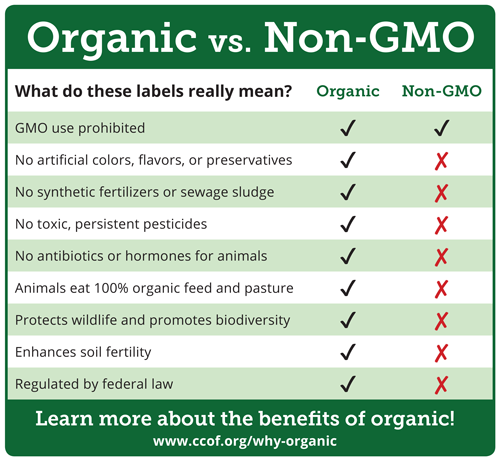
In the world of healthy eating, there are few topics that generate as much controversy and confusion as Non-GMO vs. GMO. It’s a debate that has divided people into two camps: those who believe that genetically modified organisms (GMOs) are harmful to our health and the environment, and those who argue that GMOs are safe, sustainable, and necessary for feeding our growing population. Today, we’re going to delve into this heated discussion with a satirical twist because sometimes laughter is the best way to navigate through complex issues.
Let’s start by understanding what these terms actually mean. GMO stands for genetically modified organism – an organism whose genetic material has been altered using genetic engineering techniques. On the other hand, Non-GMO refers to foods or products that have not been genetically engineered in any way.
👉 Check it out: Shop Health Supplements on Amazon
Now, let’s introduce you to some fictional characters who will help us explore both sides of this debate.
👉 Check it out: Shop Fitness Tracker on Amazon
Meet Emma Organiclover – she’s passionate about all things organic. Her pantry is filled with heirloom tomatoes, free-range eggs from backyard chickens she personally raises, and artisanal cheese made from milk sourced exclusively from cows named Daisy. She firmly believes in living a life untouched by anything unnatural or man-made.
On the opposing side is Stan Sciencewizard – he’s an eccentric scientist who spends his days tinkering with test tubes and conducting experiments in his basement lab. Stan loves everything cutting-edge and technologically advanced; he believes GMOs hold the key to solving global hunger while simultaneously turning everyone into superheroes.
Emma Organiclover argues passionately against GMOs: “We must protect ourselves from these Frankenfoods! Nature knows best, so why should we mess with it? We need to go back to how things used to be when our ancestors only had access to natural foods.”
Stan Sciencewizard counters: “Emma! My dear friend! While I admire your commitment to nature, we live in a different time now. We can’t rely on traditional methods alone to feed our ever-growing population. GMOs have the potential to increase crop yields, enhance nutritional value, and even improve resistance to pests and diseases.”
Emma rolls her eyes and retorts: “Oh please! You’re just trying to justify playing God with our food. We don’t need genetically modified carrots that glow in the dark or apples that taste like candy. Nature provides us with perfectly good options; we just need to embrace them.”
Stan grins mischievously: “But Emma, imagine a world where we could grow crops that are resistant to drought, eliminating hunger in regions plagued by water scarcity. Or how about creating fruits and vegetables packed with vital nutrients? It’s like having a salad and multivitamin all in one!”
Emma sighs dramatically: “Stan, you’re living in a fantasy world! What happens when these genetically modified plants cross-pollinate with their organic counterparts? It’s an ecological disaster waiting to happen! We’ll end up with mutant super-weeds taking over our fields.”
Stan chuckles: “Ah, Emma, you’ve been watching too many sci-fi movies. The chances of uncontrolled gene flow are highly unlikely. Besides, scientists take extensive precautions when developing GMOs to ensure they won’t harm the environment or other organisms.”
As the debate rages on between Emma Organiclover and Stan Sciencewizard, it becomes increasingly evident that both sides have valid points worth considering.
On one hand, proponents of Non-GMO foods argue for maintaining natural biodiversity while minimizing potential risks associated with genetic modification. They emphasize supporting local farmers who use traditional farming practices and advocate for transparency in labeling so consumers can make informed choices.
On the other hand, supporters of GMOs highlight their potential benefits such as increased crop productivity, reduced pesticide use through pest-resistant varieties, improved nutritional content through biofortification techniques, and enhanced disease resistance.
While this article may be written in a satirical style, the debate surrounding Non-GMO vs. GMO is very real and complex. As consumers, it’s essential to educate ourselves about the pros and cons of both sides, as well as critically evaluate scientific studies and expert opinions.
Ultimately, the choice between Non-GMO and GMO lies with each individual. Whether you choose to embrace nature’s offerings or trust in science’s ability to advance our food system, what matters most is making informed decisions that align with your values and priorities.
So let’s raise a glass of organic juice (or maybe a genetically modified smoothie?) to the ongoing dialogue around food production, sustainability, and healthy eating. Because when it comes down to it, we all want what’s best for our bodies and our planet – even if we disagree on how to get there!
🛒 Recommended Products
As an Amazon Associate, we earn from qualifying purchases.
Disclosure: This post contains Amazon affiliate links. As an Amazon Associate, we earn from qualifying purchases at no additional cost to you.


Leave a Reply