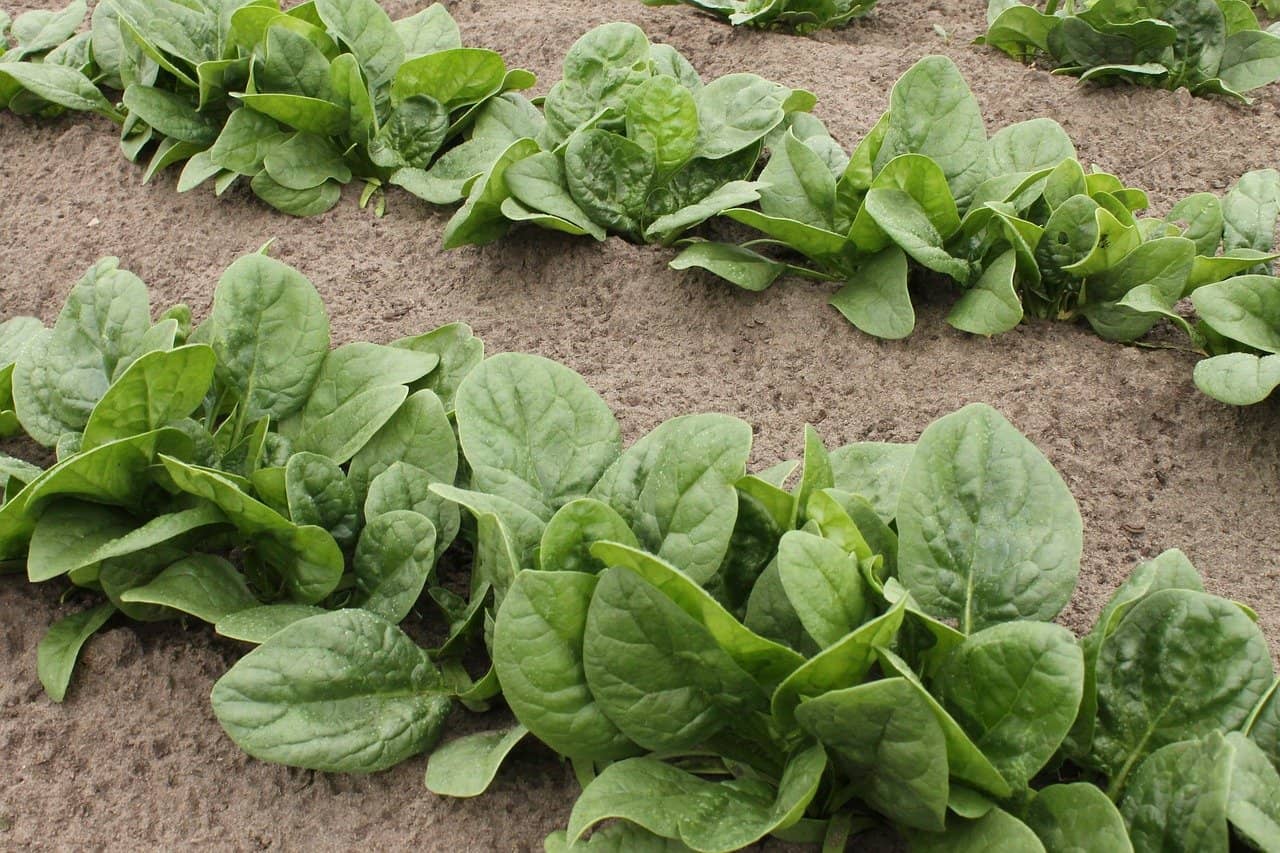
Spinach is a nutritious and versatile leafy green vegetable that can easily be grown at home, making it a great addition to any healthy eating lifestyle. Whether you have a spacious backyard or just a small balcony, growing spinach is an achievable endeavor for anyone interested in cultivating their own fresh produce.
Why Grow Spinach at Home?
One of the main reasons to grow spinach at home is the control you have over its growth conditions. By planting your own seeds and nurturing them through each stage of development, you can ensure that no harmful pesticides or chemicals come into contact with your spinach. This means you’ll be consuming cleaner, healthier greens.
Additionally, growing spinach at home allows you to have access to fresh leaves whenever you need them. Spinach harvested from your garden will undoubtedly taste better than store-bought alternatives that may have traveled long distances before reaching your plate.
Choosing the Right Varieties
Before starting your journey of growing spinach at home, it’s important to select the right variety based on your preferences and local climate conditions. There are numerous types of spinach available, such as savoy (crinkly leaves), semi-savoy (slightly crinkled leaves), and flat-leafed varieties.
For beginner gardeners or those with limited space, baby leaf varieties like ‘Melody’ or ‘Space’ are excellent choices due to their compact size and quick maturity time. If you prefer larger leaves that can be used for cooking purposes, consider varieties like ‘Bloomsdale Long Standing’ or ‘Giant Noble.’
Preparing Your Soil
Spinach thrives in nutrient-rich soil with good drainage capabilities. To prepare your soil for planting, start by removing any weeds or debris from the area where you plan to grow your spinach. Loosen the soil using a garden fork or tiller while incorporating organic matter such as compost or well-rotted manure.
It’s crucial to ensure proper drainage since waterlogged roots can lead to diseases. If your soil tends to retain water, consider adding coarse sand or perlite to improve drainage. Aim for a slightly acidic to neutral pH level of around 6.0-7.0.
Planting and Caring for Spinach
Spinach can be grown from seeds or seedlings, depending on personal preference and the time you have available. If starting from seeds, sow them directly into the ground about half an inch deep, spacing them approximately one inch apart in rows that are 12-18 inches apart.
If using seedlings, gently transplant them into well-prepared soil at the same spacing intervals mentioned above. Water thoroughly after planting to ensure good contact between the roots and soil.
Spinach prefers cool weather conditions with temperatures ranging between 50°F and 75°F (10°C -24°C). It is important to provide shade during hot summer months or when temperatures rise above spinach’s optimal range. Use shade cloths or plant taller crops nearby as natural shade providers.
Regular watering is essential for spinach cultivation; aim for consistent moisture levels without overwatering. Keep in mind that spinach has shallow roots, so it’s crucial not to let the soil dry out completely between waterings.
Pests and Diseases
While growing spinach at home may come with its fair share of challenges, proper care can help prevent common pests and diseases from affecting your plants significantly.
Aphids are small insects that may attack your spinach leaves by sucking out sap from tender shoots. To control aphid populations naturally, introduce ladybugs or lacewings into your garden as they feed on these pests.
Leaf miners are another common issue that causes tunnels in spinach leaves. Regularly inspect your plants for signs of infestation and remove affected leaves promptly if necessary.
Downy mildew is a fungal disease that affects spinach during humid conditions. To minimize its impact, avoid overhead watering and provide adequate airflow by spacing plants apart.
Harvesting and Enjoying Your Spinach
Spinach is a leafy green that can be harvested at various stages of growth. For baby spinach, pick leaves when they are about 2-4 inches tall, or wait until they reach full size for mature leaves. Harvest by cutting individual leaves from the outer portion of the plant, allowing the center to continue producing.
Spinach is a versatile vegetable that can be used in numerous dishes. It can be enjoyed raw in salads, sautéed as a side dish, blended into smoothies, or cooked into flavorful soups and stews. Its mild taste makes it an excellent addition to many recipes while providing essential vitamins and minerals.
In conclusion, growing spinach at home allows you to have control over its growth conditions while ensuring a continuous supply of fresh greens throughout the growing season. With some basic knowledge and care, you’ll soon be enjoying nutritious spinach straight from your own garden. So why not give it a try? Happy gardening!

Leave a Reply