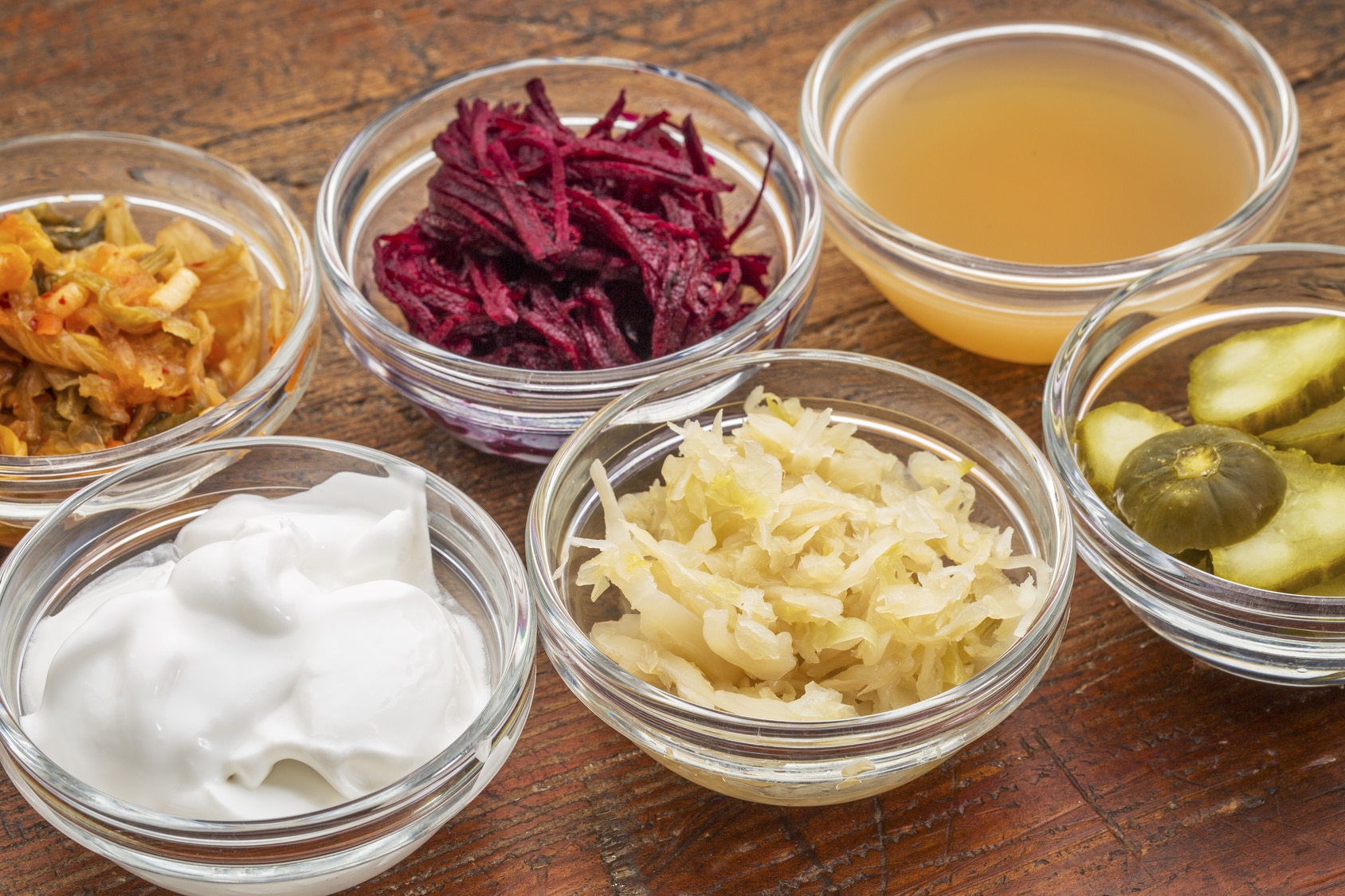
Welcome to today’s panel discussion on fermented foods! Fermentation has been used for centuries as a method of preserving food, but it also offers numerous health benefits. Today, we have gathered a group of experts to delve into the world of fermented foods and explore their nutritional value, impact on gut health, and tips for incorporating them into our diets.
Joining us on the panel are Dr. Sarah Mitchell, a registered dietitian specializing in gut health; Chef Michael Ramirez, who has extensive experience in fermentation techniques; and Dr. Emily Collins, a microbiologist with expertise in probiotics.
Moderator: Let’s start by discussing what exactly fermentation is and why it has gained popularity among health-conscious individuals. Dr. Mitchell, could you give us an overview?
Dr. Mitchell: Certainly! Fermentation is a natural process where microorganisms like bacteria or yeasts convert carbohydrates into alcohol or organic acids under anaerobic conditions. This process not only preserves food but also increases its nutritional value by enhancing digestibility and nutrient absorption.
Chef Ramirez: Yes, that’s right! Fermented foods are often more easily digested compared to their non-fermented counterparts because the beneficial bacteria present in these foods help break down complex compounds into simpler forms that our bodies can absorb more readily.
Moderator: That leads us to an important aspect of fermented foods – their positive impact on gut health. Dr. Collins, could you explain how consuming fermented foods affects our gut microbiome?
Dr. Collins: Absolutely! Our gastrointestinal tract houses trillions of microorganisms collectively known as the gut microbiome. These microorganisms play essential roles in digestion, nutrient absorption, immune function regulation, and even mental well-being.
Consuming fermented foods introduces beneficial bacteria strains (probiotics) into our system which can help restore balance within the gut microbiome community by increasing diversity and reducing harmful pathogens’ colonization.
Chef Ramirez: In addition to probiotics’ role, fermentation also produces short-chain fatty acids (SCFAs), which act as an energy source for the cells lining our intestines. SCFAs promote gut health by maintaining a healthy intestinal barrier and reducing inflammation.
Moderator: Fascinating! It’s clear that fermented foods offer numerous benefits. Dr. Mitchell, can you shed some light on specific fermented foods that people should consider incorporating into their diets?
Dr. Mitchell: Of course! Fermented vegetables like sauerkraut and kimchi are excellent choices as they provide a rich source of beneficial bacteria along with essential nutrients such as vitamin C and K. Yogurt made from live cultures is another common option, known for its probiotic content.
Other popular fermented options include kefir, kombucha, miso, tempeh, and sourdough bread. These foods are not only tasty but also provide a wide array of beneficial compounds to support gut health.
Chef Ramirez: Absolutely! Fermentation has no limits when it comes to creativity in the kitchen too. You can experiment with fermenting various fruits or even make your own pickles using cucumbers or other vegetables.
Moderator: Great suggestions! Now let’s address some common concerns regarding fermented foods. Some individuals worry about the sugar content in certain ferments like kombucha or kefir. What would you say to them?
Dr. Collins: It’s important to note that during fermentation, beneficial bacteria consume much of the sugar present in these foods as they convert it into organic acids or alcohol. While there may still be some residual sugar left after fermentation, it is usually significantly lower than what was initially present.
However, if someone has specific dietary restrictions related to sugar intake or a medical condition like diabetes, I recommend consulting with a healthcare professional before incorporating fermented foods into their diet.
Moderator: That’s great advice! Another concern often raised is related to food safety during fermentation at home. Chef Ramirez, could you provide some guidance on this matter?
Chef Ramirez: Safety is indeed a crucial consideration when fermenting at home. The most important factor is ensuring proper hygiene and using clean equipment to avoid contamination.
Maintaining the right temperature and salt concentration during fermentation also helps inhibit the growth of harmful bacteria. It’s vital to follow accurate recipes or techniques recommended by experts until you become comfortable with the process.
Moderator: Thank you for those tips! As we conclude our discussion, can each of you give our readers one final piece of advice on incorporating fermented foods into their diets?
Dr. Mitchell: I would suggest starting slowly and gradually increasing your intake of fermented foods. Listen to your body and pay attention to how it responds to different varieties. Remember that diversity in your diet is key for optimal gut health, so try different types regularly.
Chef Ramirez: Don’t be afraid to get adventurous in the kitchen! Experimenting with homemade ferments can be incredibly rewarding both nutritionally and flavor-wise. And remember, patience is essential during fermentation – good things take time!
Dr. Collins: Lastly, while fermented foods are fantastic additions, they shouldn’t replace other healthy dietary choices like fresh fruits and vegetables or whole grains. Think of fermented foods as part of a balanced diet that supports overall gut health.
Moderator: Thank you all for sharing such valuable insights today! It’s clear that incorporating fermented foods into our diets offers numerous benefits for our gut health and overall well-being. With these expert tips in mind, let’s all embrace the world of fermentation on our journey towards healthier eating habits!

Leave a Reply