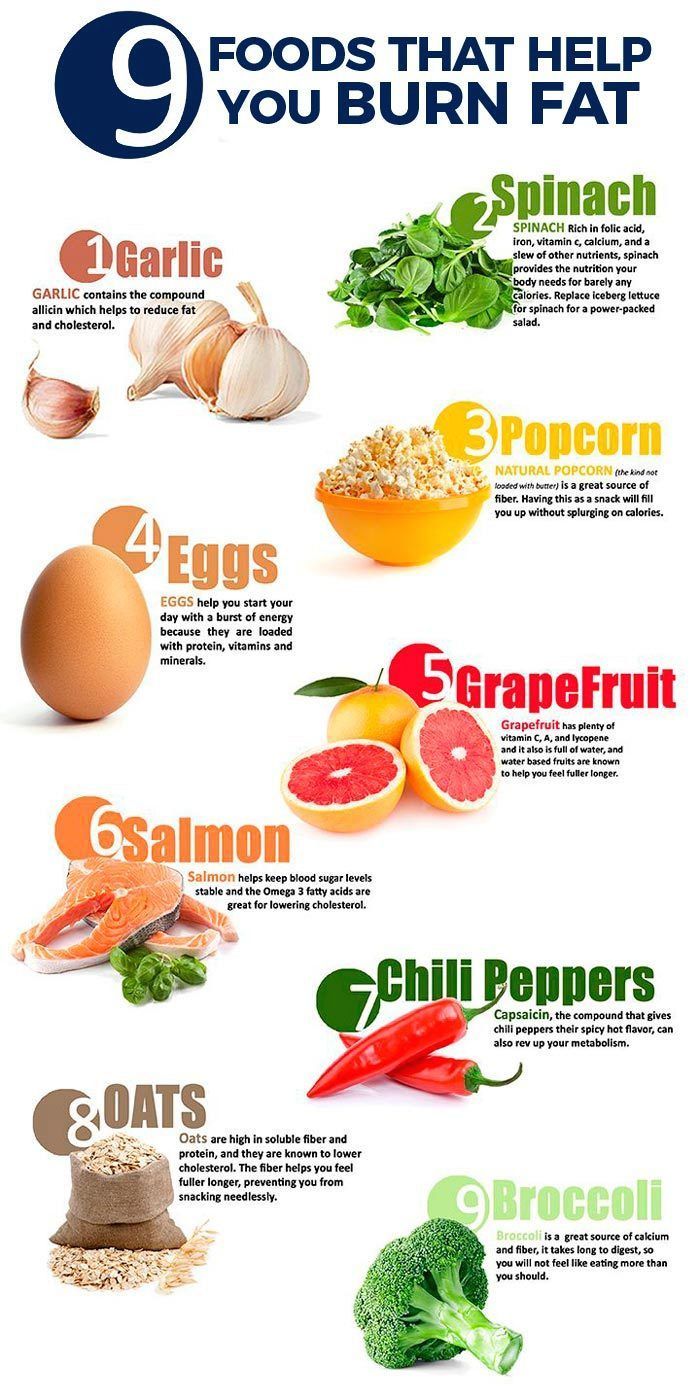
The Mediterranean diet has gained significant popularity in recent years due to its numerous health benefits, including its positive impact on cholesterol levels. If you’re looking for a dietary approach that can help control your cholesterol, the Mediterranean diet might be just what you need. In this post, we will explore the key features of the Mediterranean diet and how it can effectively manage cholesterol levels.
1. What is the Mediterranean diet?
The Mediterranean diet is inspired by the traditional eating patterns of countries bordering the Mediterranean Sea, such as Greece and Italy. It emphasizes consuming whole foods like fruits, vegetables, whole grains, legumes, nuts, seeds, and healthy fats while limiting processed foods.
2. How does it affect cholesterol?
Studies have shown that following a Mediterranean-style eating plan can significantly reduce LDL (low-density lipoprotein) or “bad” cholesterol levels while increasing HDL (high-density lipoprotein) or “good” cholesterol levels. This balance between LDL and HDL helps promote cardiovascular health.
3. Rich in heart-healthy fats
A key characteristic of the Mediterranean diet is its emphasis on healthy fats from sources such as olive oil, avocados, nuts (almonds, walnuts), and fatty fish (salmon). These fats are high in monounsaturated and polyunsaturated fatty acids which can help lower LDL cholesterol.
4. Abundance of fiber
Fiber-rich foods are an integral part of the Mediterranean diet. Whole grains like quinoa and brown rice provide soluble fiber that binds to cholesterol in your gut and helps excrete it from your body through bowel movements.
5. Increased intake of fruits and vegetables
The vibrant colors found in fresh fruits and vegetables indicate their high nutrient content. These plant-based foods contain antioxidants that protect against oxidative stress caused by high cholesterol levels.
6. Lean proteins
While red meat is limited on this dietary plan due to its potential negative impact on heart health when consumed excessively, the Mediterranean diet encourages lean protein sources like poultry, fish, and legumes. These proteins are low in saturated fat and can help maintain healthy cholesterol levels.
7. Moderate consumption of dairy
Dairy is consumed in moderation within this diet. Opt for low-fat options such as Greek yogurt or feta cheese to limit saturated fat intake.
8. Reducing processed foods
Processed foods often contain unhealthy trans fats and high levels of refined sugars, which can negatively affect cholesterol levels. The Mediterranean diet emphasizes whole, unprocessed foods instead.
9. Limited added sugars
Excessive sugar consumption has been linked to increased LDL cholesterol levels. Avoid sugary drinks and sweets; instead, satisfy your sweet tooth with fruits or small amounts of dark chocolate – another staple of the Mediterranean diet.
10. Wine in moderation
Moderate consumption of red wine is often associated with cardiovascular health benefits due to its high content of antioxidants called polyphenols. However, it’s important to note that excessive alcohol intake can have detrimental effects on overall health.
11. Physical activity goes hand-in-hand
While the focus here is on dietary changes, it’s worth mentioning that exercise plays a crucial role in maintaining healthy cholesterol levels alongside any eating plan.
12. Consult your healthcare provider
Before making significant dietary changes or starting any new eating plan, it’s always advisable to consult with your healthcare provider or a registered dietitian who can provide personalized guidance based on your specific needs and medical history.
Incorporating the principles of the Mediterranean diet into your lifestyle may help manage your cholesterol effectively while providing numerous other health benefits as well!

Leave a Reply