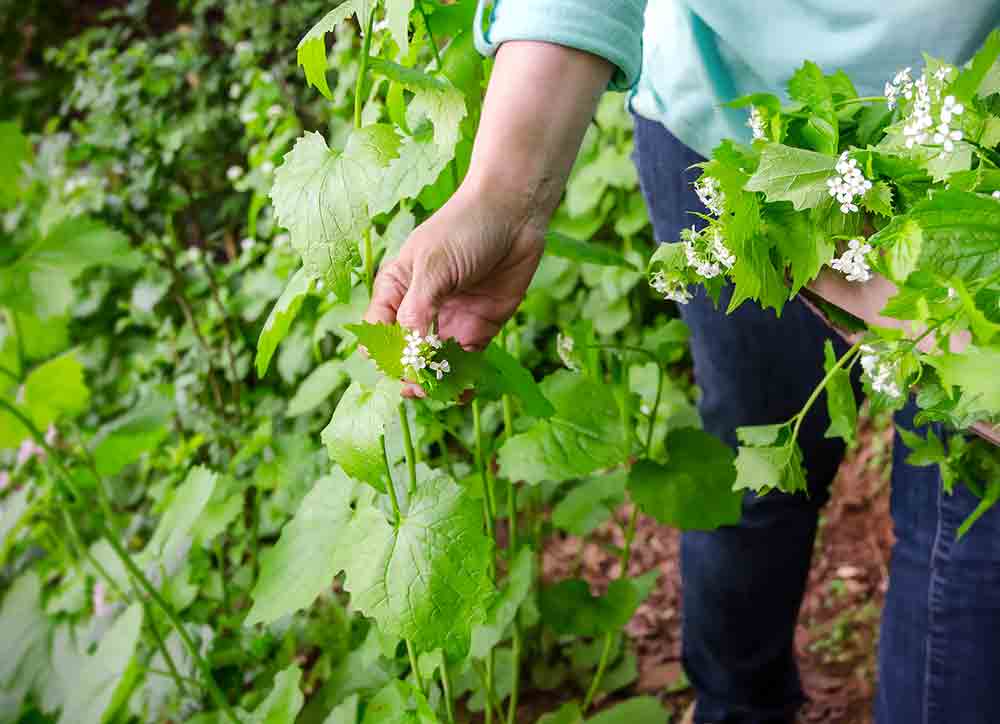
Foraging for Wild Edibles: Exploring Nature’s Bounty
In recent years, there has been a resurgence of interest in foraging for wild edibles. This ancient practice of gathering food from the wild has gained popularity among those seeking to reconnect with nature and embrace a more sustainable way of eating. Foraging allows us to discover an abundance of nutritious and flavorful plants that often go unnoticed in our modern world. In this article, we will explore the basics of foraging and how you can start incorporating wild edibles into your diet.
Before embarking on any foraging adventure, it is crucial to educate yourself about the plants in your area. Familiarize yourself with local flora, learn to identify edible species, and understand their seasonal availability. A good field guide or joining a local foraging group can be invaluable resources when starting out.
Timing is key when it comes to foraging; different plants have specific seasons during which they are at their peak flavor and nutritional value. Spring brings forth an array of tender greens like dandelion leaves, chickweed, and stinging nettle – all packed with vitamins and minerals. Summertime offers berries such as blackberries or raspberries that add sweetness to salads or desserts.
When venturing into the wilderness in search of wild edibles, it is essential to respect both nature’s offerings and its delicate balance. Never take more than you need, ensuring that there will be enough for other creatures who depend on these resources as well. Also, avoid harvesting rare or endangered species altogether.
Identifying edible plants accurately is crucial because some wild varieties closely resemble poisonous ones. Take extra care when collecting mushrooms as misidentification could lead to severe consequences – unless you have expert knowledge or guidance from experienced foragers, it’s best to steer clear.
For beginners looking to incorporate wild foods into their diet gradually, starting with easily identifiable options is recommended. Wild greens like purslane or lamb’s quarters are delicious additions to salads and can be found in abundance in many regions. Nuts, such as acorns or chestnuts, offer a nutty flavor and can be used in various dishes.
Foraging is not limited to plants alone; there are also opportunities to gather wild mushrooms, nuts, fruits, and even seaweed along coastal areas. However, it is crucial to note that some areas have regulations regarding foraging on public lands or protected areas. Always check local laws and obtain any necessary permits before venturing out.
Once you’ve collected your bounty from the wild, it’s time to incorporate them into your meals. Wild edibles can be enjoyed raw in salads or sandwiches or cooked in a variety of recipes. Experiment with incorporating them into soups, stir-fries, pestos, or even infusing them into oils and vinegars for added flavor.
Foraging for wild edibles not only provides an opportunity to diversify your diet but also reconnects us with nature’s incredible offerings. Remember always to prioritize safety by correctly identifying plants and being mindful of the environment around you. So grab a field guide and embark on an adventure of exploration – discovering the wonders of wild edibles awaits!

Leave a Reply