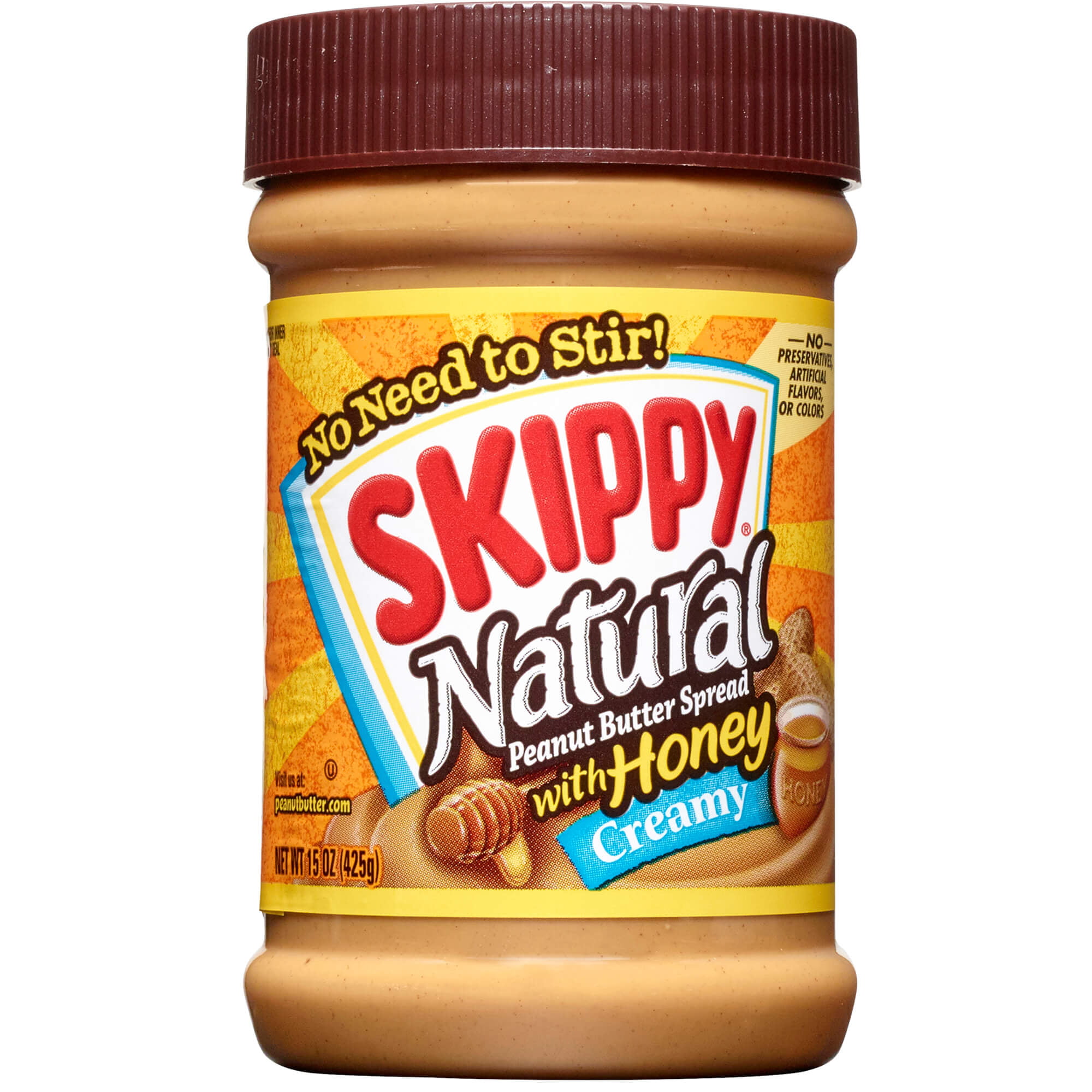
Peanut Butter: A Nutritious and Delicious Spread
Introduction:
Peanut butter has been a staple in many households for generations. This creamy spread, made from ground peanuts, has always been a crowd-pleaser due to its rich flavor and versatility. Not only is it loved by children and adults alike, but it also boasts an array of health benefits that make it a valuable addition to any balanced diet. In this article, we will explore the fascinating history of peanut butter, its nutritional profile, its role in promoting heart health, weight management, muscle recovery, and some creative ways to enjoy this beloved spread.
A Brief History:
Believe it or not, peanuts have been consumed for thousands of years. Originating in South America and later making their way to North America through European explorers’ voyages, peanuts were initially considered food for livestock. It wasn’t until the late 19th century when Dr. John Harvey Kellogg (yes – the breakfast cereal pioneer) patented the process of making peanut butter as a nutritious protein substitute for those who had difficulty chewing meat. Since then, peanut butter’s popularity skyrocketed across continents as people discovered its irresistible taste and nourishing qualities.
Nutritional Profile:
One tablespoon of smooth peanut butter contains approximately 94 calories, 4 grams of protein, 8 grams of fat (mostly monounsaturated), and just under 4 grams of carbohydrates. Additionally, peanut butter is an excellent source of vitamins E and B6 along with essential minerals like magnesium and potassium. Furthermore, it provides dietary fiber that aids digestion while keeping you feeling satiated longer.
Heart Health Benefits:
Contrary to popular belief that all fats are bad for your heart health; peanut butter contains mostly monounsaturated fats which can actually be beneficial when consumed in moderation. Studies show that incorporating moderate amounts of monounsaturated fats into your diet may help reduce LDL cholesterol levels (the “bad” cholesterol) and lower the risk of heart disease. The presence of resveratrol, a potent antioxidant, in peanuts also contributes to improved heart health by reducing inflammation and promoting healthy blood flow.
Weight Management:
Although peanut butter is relatively high in calories, it can still be an ally for those looking to manage their weight. Its combination of protein, fat, and fiber helps promote feelings of fullness, reducing the chances of overeating or snacking on less nutritious options throughout the day. Moreover, research suggests that including nuts and nut-based products like peanut butter in your diet may not lead to significant weight gain due to the high satiety factor they provide.
Muscle Recovery:
For fitness enthusiasts and athletes, peanut butter can be a valuable part of their post-workout routine. Packed with protein and healthy fats, it aids in muscle repair and recovery after intense exercise sessions. Additionally, its natural sugars contribute to replenishing glycogen stores within muscles while providing an energy boost.
Creative Ways to Enjoy Peanut Butter:
Beyond simply spreading it on bread or pairing it with jelly for a classic PB&J sandwich experience, there are countless creative ways to enjoy this versatile spread. Try adding a spoonful into your morning smoothie for added creaminess and flavor. Use peanut butter as a dip for apple slices or celery sticks as a satisfying snack option. Or get adventurous by incorporating it into savory recipes like Thai peanut noodles or satay sauce for grilled chicken skewers.
Conclusion:
Peanut butter’s reputation as both delicious comfort food and nutritional powerhouse is well deserved. From its humble beginnings to becoming a pantry staple worldwide, this creamy spread has stood the test of time due to its exceptional taste and numerous health benefits. By offering heart-healthy fats, aiding weight management efforts without sacrificing flavor or satisfaction levels, supporting muscle recovery post-exercise sessions – there are plenty of reasons why enjoying peanut butter should be guilt-free! So go ahead and indulge in this delightful spread, knowing that you’re not only satisfying your taste buds but also nourishing your body.

Leave a Reply