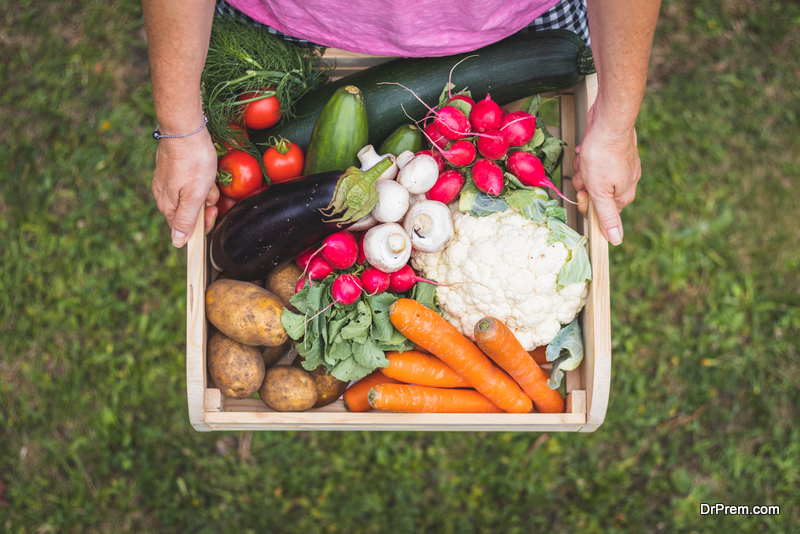
Sustainable eating practices are becoming increasingly popular as people become more aware of the impact their food choices have on the environment. By adopting sustainable eating habits, individuals can not only improve their own health but also contribute to the well-being of the planet. In this article, we will provide an overview of sustainable eating practices and answer some frequently asked questions about how to incorporate them into your daily life.
1. What is sustainable eating?
Sustainable eating involves making conscious choices about the food we consume in order to minimize our ecological footprint. This includes selecting foods that are locally sourced, seasonal, and organic whenever possible. It also means reducing waste by choosing whole foods and avoiding single-use packaging.
2. Why should I practice sustainable eating?
Adopting sustainable eating practices has numerous benefits for both personal health and environmental conservation. Locally sourced and organic foods tend to be fresher and more nutritious than those that have traveled long distances or been treated with chemicals. By supporting local farmers and businesses, you contribute to a more resilient local economy while reducing greenhouse gas emissions associated with transportation.
3. How can I eat sustainably on a budget?
Contrary to popular belief, sustainable eating does not always require spending more money on exotic ingredients or trendy superfoods. Start by focusing on whole plant-based foods such as fruits, vegetables, legumes, grains, nuts, and seeds – they are generally affordable options packed with nutrients. Buying in bulk can help cut costs too!
4. Is it necessary to eliminate all animal products from my diet?
While adopting a vegetarian or vegan lifestyle is one way to reduce your carbon footprint significantly, it may not be feasible for everyone due to personal preferences or dietary needs. However, even small changes like participating in Meatless Mondays or choosing ethically raised meat products can make a positive impact.
5. How can I reduce food waste at home?
Food waste is a significant issue contributing to environmental degradation globally. To minimize waste, plan your meals and create a shopping list before heading to the grocery store. Store leftovers properly and get creative with using up ingredients that are about to spoil. Composting is also an excellent way to reduce food waste while nourishing your garden.
6. Are there any sustainable alternatives for single-use plastics?
Yes! Avoiding single-use plastics is an essential part of sustainable eating. Invest in reusable shopping bags, stainless steel water bottles, and glass or metal food storage containers. When dining out, carry your own cutlery set and ask for drinks without plastic straws.
7. How can I support local farmers?
Supporting local farmers is crucial for promoting sustainability in the food system. Visit farmer’s markets regularly to purchase fresh produce directly from growers in your area. Joining a community-supported agriculture (CSA) program allows you to receive weekly deliveries of seasonal vegetables while supporting local farms financially.
8. What role does education play in sustainable eating?
Education plays a vital role in promoting sustainable eating practices on both an individual and societal level. Stay informed about current environmental issues related to food production and share knowledge with friends and family through conversations or social media platforms.
By adopting sustainable eating practices, we can make positive changes towards a healthier planet while benefiting our own well-being as well. Start small by incorporating one or two habits at a time until they become second nature – every little step counts!

Leave a Reply