Glaciers: Nature’s Majestic Creations
Introduction:
Glaciers are awe-inspiring natural formations that have captivated humans for centuries. These massive bodies of ice, found in both polar regions and high mountain ranges, play a crucial role in maintaining the Earth’s climate and supporting various ecosystems. In recent years, the study of glaciers has gained significant attention due to their vulnerability to climate change. This case study aims to delve into the world of glaciers, exploring their formation, characteristics, importance to ecosystems, and the impact of climate change on these majestic creations.
1. Formation of Glaciers:
Glaciers form over hundreds or even thousands of years through a process known as glaciation. It begins with snowfall accumulating in areas where temperatures remain below freezing throughout the year. Over time, this accumulated snow compresses under its weight and transforms into dense granular ice called firn. With continuous accumulation and compression, the firn gradually turns into solid ice.
2. Types of Glaciers:
There are two primary types of glaciers: continental glaciers (ice sheets) and alpine glaciers (valley glaciers). Continental glaciers cover vast areas such as Greenland and Antarctica while alpine glaciers occur in mountainous regions.
Continental Glaciers:
– Ice Sheets: These immense ice masses cover extensive land areas exceeding 50,000 square kilometers.
– Ice Shelves: These are extensions of ice sheets that float on water but are connected to landmasses.
Alpine Glaciers:
– Valley Glaciers: Formed within valleys or ravines between mountains.
– Cirque Glaciers: Found within bowl-shaped depressions on mountainsides.
– Tidewater/Outlet Glaciers: Reach coastal waters where they calve off large chunks forming icebergs.
– Piedmont Glaciers: Spread out at the base of mountains when valley glacial flows onto flatter terrain.
3. Characteristics of Glaciers:
Glaciers possess several distinctive features that make them remarkable natural wonders:
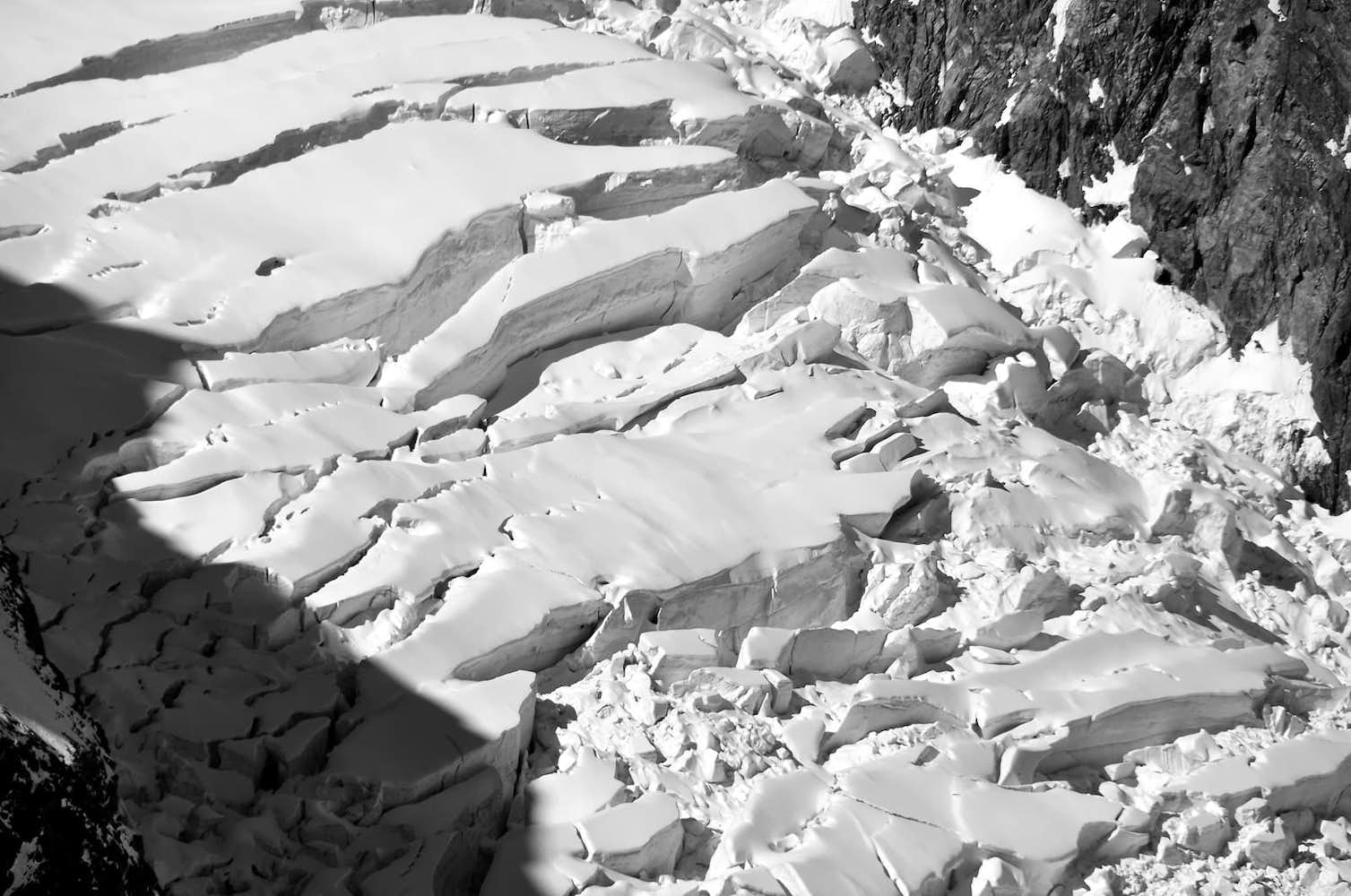
– Icefalls: Steep sections where the glacier descends abruptly, causing ice to fracture and form crevasses.
– Crevasses: Deep cracks or fissures in glaciers caused by stress from movement.
– Moraines: Accumulations of rocks, debris, and sediment carried and deposited by glaciers.
– Seracs: Tower-like blocks or columns of ice formed due to differential movement within glaciers.
– Ogives: Wave-like patterns on the surface of glaciers caused by variations in speed during movement.
4. Importance to Ecosystems:
Glaciers play a vital role in supporting diverse ecosystems as they provide essential resources for both flora and fauna:
Water Source: Glaciers store vast amounts of freshwater as ice. During warmer months, melting glacial ice releases water into streams and rivers, ensuring a steady water supply for plants, animals, and human communities downstream.
Habitat Support: Numerous species have adapted to thrive within glacial environments. From microscopic organisms like algae living on the surface layers of the ice to larger mammals such as mountain goats and snow leopards inhabiting alpine regions near glaciers – these ecosystems are rich in biodiversity.
Nutrient Cycling: As glaciers move down valleys or ravines, they grind against rock surfaces known as abrasion. This process contributes minerals and nutrients that are released into surrounding areas when the glacier melts back. These minerals enrich soil fertility downstream.
5. Impact of Climate Change:
Climate change has had a profound impact on Earth’s glaciers over recent decades. Rising global temperatures have led to accelerated melting rates resulting in significant consequences for both local ecosystems and global sea levels:
Melting Glacial Masses:
Warmer temperatures cause increased melting rates leading to an overall decline in glacial mass worldwide. This not only affects freshwater availability but also results in habitat loss for various species dependent on glacial ecosystems.
Sea Level Rise:
As glaciers melt, the water they release adds to the overall volume of the oceans. This contributes to rising sea levels, which have significant implications for coastal regions and vulnerable island nations.
Altered Weather Patterns:
The presence of glaciers helps regulate regional weather patterns by reflecting sunlight back into space. As they disappear, less sunlight is reflected, leading to altered wind and precipitation patterns that can disrupt established climates in nearby areas.
Conclusion:
Glaciers are not only visually stunning but also provide vital resources for ecosystems and human communities alike. Their formation, characteristics, and interconnectedness with various environments make them a fascinating subject for study. However, their vulnerability to climate change highlights the urgent need for action to mitigate global warming and preserve these majestic creations. By understanding glaciers’ importance and advocating for sustainable practices, we can contribute towards protecting these natural wonders for generations to come.

Leave a Reply