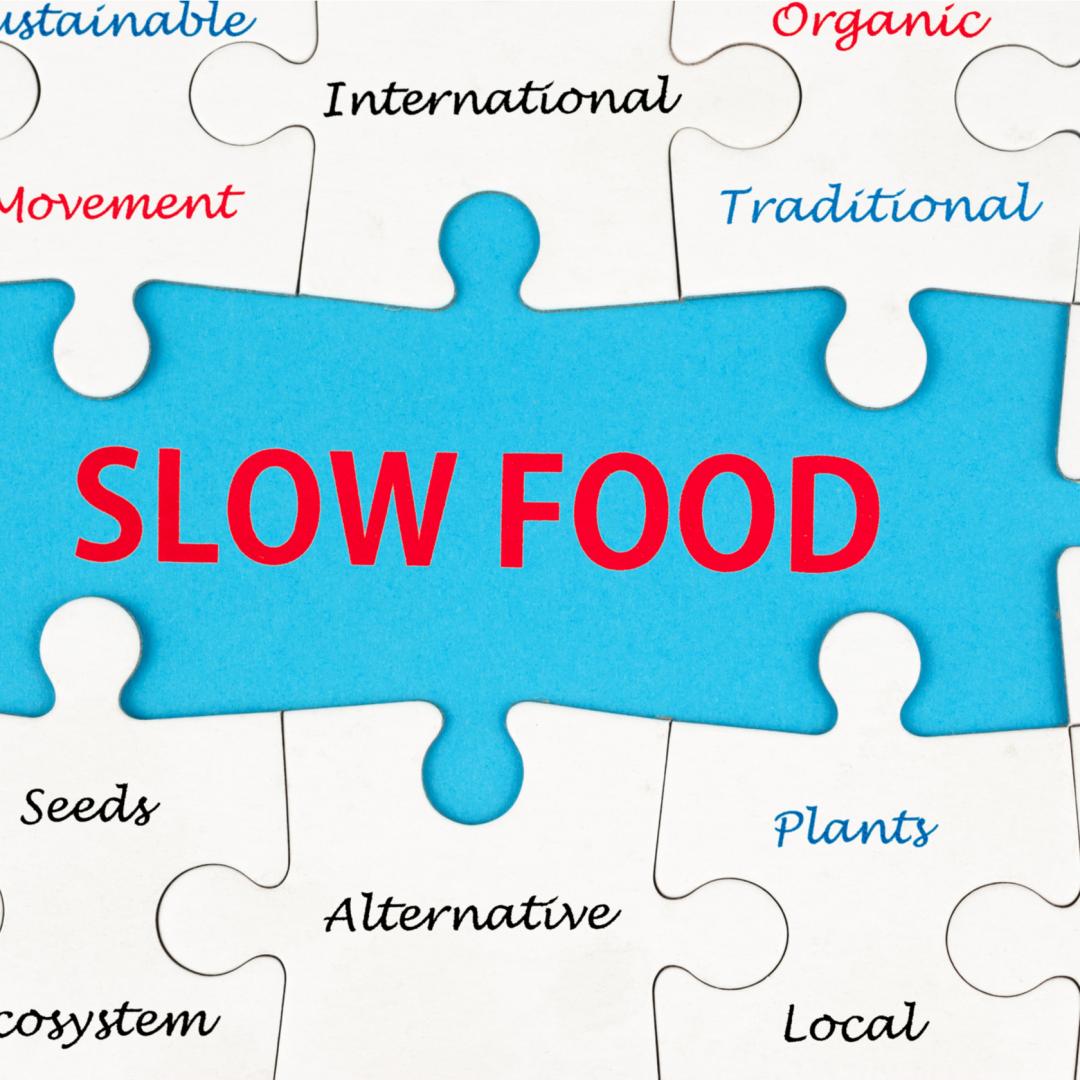
The Slow Food movement, which originated in Italy in the late 1980s, has gained significant momentum over the years and continues to be a powerful force promoting healthy eating and sustainable food practices. In this article, we will delve deeper into the history and principles of this global movement, exploring its impact on our health, environment, and overall well-being.
The roots of Slow Food can be traced back to an Italian journalist named Carlo Petrini. It all began when he rallied against the opening of a McDonald’s fast-food restaurant near Rome’s iconic Spanish Steps in 1986. Petrini believed that fast food was not only damaging local culinary traditions but also contributing to the erosion of social connections around food.
Petrini’s protest sparked a national conversation about preserving regional cuisines as well as traditional farming methods. This led to the establishment of Slow Food as an official movement in 1989 with its headquarters based in Bra, a small town in northern Italy.
At its core, Slow Food aims to counteract the negative effects of fast-paced modern life by encouraging people to slow down and savor their meals. The movement places great emphasis on local food production, biodiversity preservation, and supporting small-scale farmers who use sustainable agricultural practices.
One key principle of Slow Food is the concept of “Good, Clean, and Fair.” The organization advocates for food that is good both for our bodies and taste buds while being produced using environmentally friendly methods. Additionally, it promotes fairness by ensuring that farmers receive fair compensation for their labor.
Central to Slow Food is the promotion of traditional cooking techniques and recipes passed down through generations. By valuing cultural heritage associated with food preparation and consumption, Slow Food helps preserve diverse culinary traditions from around the world.
Since its inception more than three decades ago, Slow Food has grown into an international movement represented by thousands of local chapters known as “convivia” across over 160 countries. These convivia organize events such as food festivals, farmers’ markets, and educational programs to raise awareness about the importance of sustainable food practices.
One initiative that has gained significant attention is the “Ark of Taste.” This project aims to identify and preserve endangered traditional foods from various regions. By recognizing these unique products, Slow Food hopes to foster a renewed appreciation for local culinary traditions and encourage their continued production.
The movement also actively promotes the idea of “farm-to-table” dining experiences. It encourages consumers to seek out locally sourced ingredients directly from small-scale farmers or participate in community-supported agriculture (CSA) programs. By doing so, individuals can reduce their carbon footprint while supporting local economies.
Furthermore, Slow Food has been instrumental in advocating for fair trade practices within the food industry. The organization’s efforts have helped raise awareness about exploitative labor conditions faced by many agricultural workers worldwide and have led to increased demand for fairly traded products.
The impact of Slow Food extends beyond just our plates. By embracing its principles, we are contributing to a more sustainable future and healthier planet. Supporting small-scale farmers who employ eco-friendly farming techniques helps protect biodiversity while reducing the use of harmful pesticides and fertilizers.
Additionally, choosing seasonal produce over imported goods reduces energy consumption associated with long-distance transportation. This not only benefits our environment but also ensures that we consume fruits and vegetables at their freshest and most nutritious state.
Slow Food also recognizes the social aspect of eating together as an essential part of human connection. By encouraging communal meals where people gather around a table to share delicious homemade dishes made with love and care, the movement fosters stronger bonds between individuals and communities.
In conclusion, the Slow Food movement has become a powerful advocate for healthy eating choices rooted in sustainability, cultural preservation, fair trade practices, and mindful consumption. By embracing its principles – savoring meals slowly prepared with locally sourced ingredients – we can nourish ourselves while making positive contributions towards building a better food system for all.

Leave a Reply