Grasslands: A Nutrient-Rich Haven for Healthy Eating
When it comes to healthy eating, our focus often shifts towards fruits, vegetables, and grains. While these food groups undoubtedly play a crucial role in a balanced diet, it’s important not to overlook the nutritional benefits offered by grasslands. Spanning vast areas across the globe, grasslands are home to an array of nutrient-rich plants and animals that can enhance our overall well-being. In this article, we will explore the various aspects of grasslands and delve into why they should be included in our healthy eating regimen.
What are Grasslands?
Grasslands, also known as prairies or savannas depending on their location and climate, are vast ecosystems dominated primarily by grasses rather than trees or shrubs. They can be found on every continent except Antarctica and cover about one-quarter of the Earth’s land surface.
Types of Grasslands
There are two main types of grasslands: tropical and temperate. Tropical grasslands occur near the equator and have a wet-dry climate with distinct rainy seasons followed by prolonged periods of drought. The most famous example is Africa’s Serengeti Plain. On the other hand, temperate grasslands experience four distinct seasons with cold winters and hot summers but receive more rainfall compared to tropical counterparts. The Great Plains in North America fall under this category.
Nutritional Benefits
While many might think that grassland ecosystems offer limited nutritional value due to their predominantly plant-based nature, this assumption couldn’t be further from the truth. Grasses themselves contain essential nutrients such as fiber, vitamins (including vitamin A and C), minerals like potassium and calcium, antioxidants like beta-carotene, as well as protein-building amino acids.
Additionally, many edible plants thrive in these environments alongside grasses. For instance, wild berries like strawberries grow abundantly in certain types of temperate grasslands while yams flourish in tropical grasslands. These plants are rich in vitamins, antioxidants, and dietary fiber.
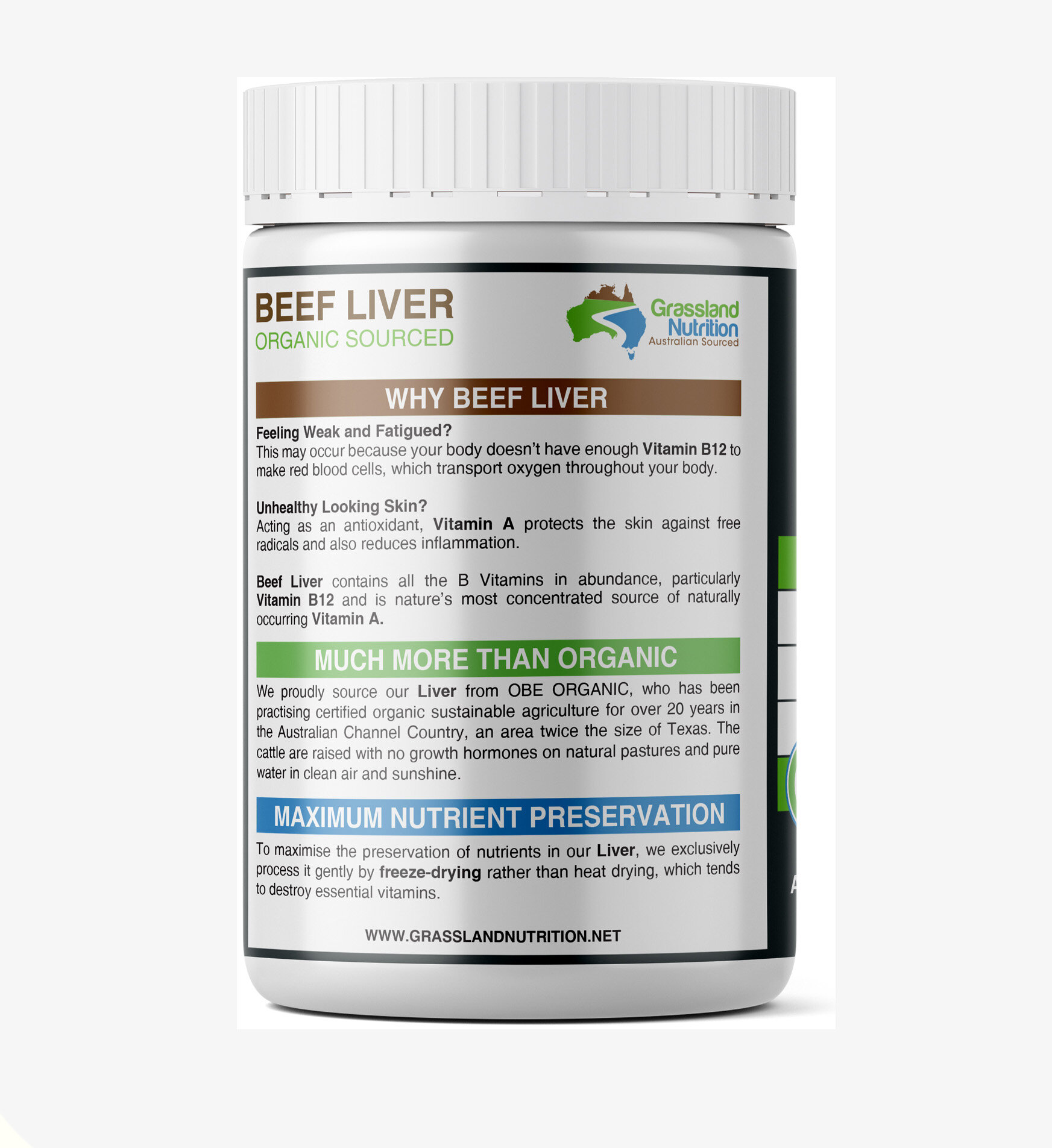
Animals that graze on grasses further enhance the nutritional value of grassland ecosystems. Grazing animals such as bison, deer, and antelope feed on the vegetation and convert it into nutrient-dense meat. Grass-fed meat is leaner than grain-fed alternatives and contains higher levels of omega-3 fatty acids, conjugated linoleic acid (CLA), and vitamin E.
Environmental Benefits
Grasslands also provide numerous environmental benefits that contribute to our overall well-being. Firstly, their extensive root systems help improve soil quality by preventing erosion and promoting water infiltration. This makes them ideal for sustainable agriculture practices.
Moreover, grasslands act as carbon sinks by absorbing carbon dioxide from the atmosphere through photosynthesis. By sequestering carbon, they play a crucial role in mitigating climate change impacts.
Cultural Significance
Beyond their nutritional and environmental significance, grasslands hold immense cultural importance for many communities around the world. Indigenous cultures often rely on these ecosystems for sustenance and spiritual practices. For example, Native American tribes like the Lakota people consider buffalo hunting an integral part of their cultural heritage.
Grassland Conservation
Despite their ecological importance, grasslands face various threats from human activities such as agriculture expansion and urbanization. It is crucial to recognize the need for conservation efforts to protect these diverse ecosystems.
Promoting Healthy Eating with Grasslands
Incorporating grassland-derived foods into our diets can greatly benefit our health while supporting sustainable agricultural practices. Here are some tips on how to include them:
1. Opt for lean cuts of grass-fed meats: Look for labels indicating “grass-fed” when purchasing beef or other meats.
2. Explore wild berries: If you have access to temperate grassland areas or farmer’s markets nearby, try incorporating wild berries like strawberries or blackberries into your diet.
3. Embrace ancient grains: Many ancient grains, such as quinoa and amaranth, have their origins in grasslands and offer excellent nutritional profiles.
4. Experiment with traditional recipes: Explore cuisines from grassland regions to discover unique dishes that utilize local ingredients.
In conclusion, grasslands are not just vast expanses of land; they hold immense value for both our health and the environment. From providing nutrient-rich foods to acting as carbon sinks, these ecosystems deserve our attention and conservation efforts. So next time you plan your healthy eating regimen, don’t forget to include the diverse offerings of the grasslands.

Leave a Reply