Mackerel: A Nutritional Powerhouse from the Sea
When it comes to incorporating healthy seafood into your diet, mackerel is a fish that should not be overlooked. With its rich flavor and numerous health benefits, mackerel has become a popular choice among health-conscious individuals. Packed with essential nutrients and omega-3 fatty acids, this flavorful fish provides an array of advantages for both body and mind.
Mackerel belongs to the Scombridae family, which also includes tuna and bonito. It is found in temperate and tropical oceans all around the globe. There are several species of mackerel available, including Atlantic mackerel (Scomber scombrus), Pacific mackerel (Scomber japonicus), Spanish Mackerel (Scomberomorus maculatus), and King Mackerel (Scomberomorus cavalla). Despite slight variations in taste and appearance among these species, they all share similar nutritional profiles.
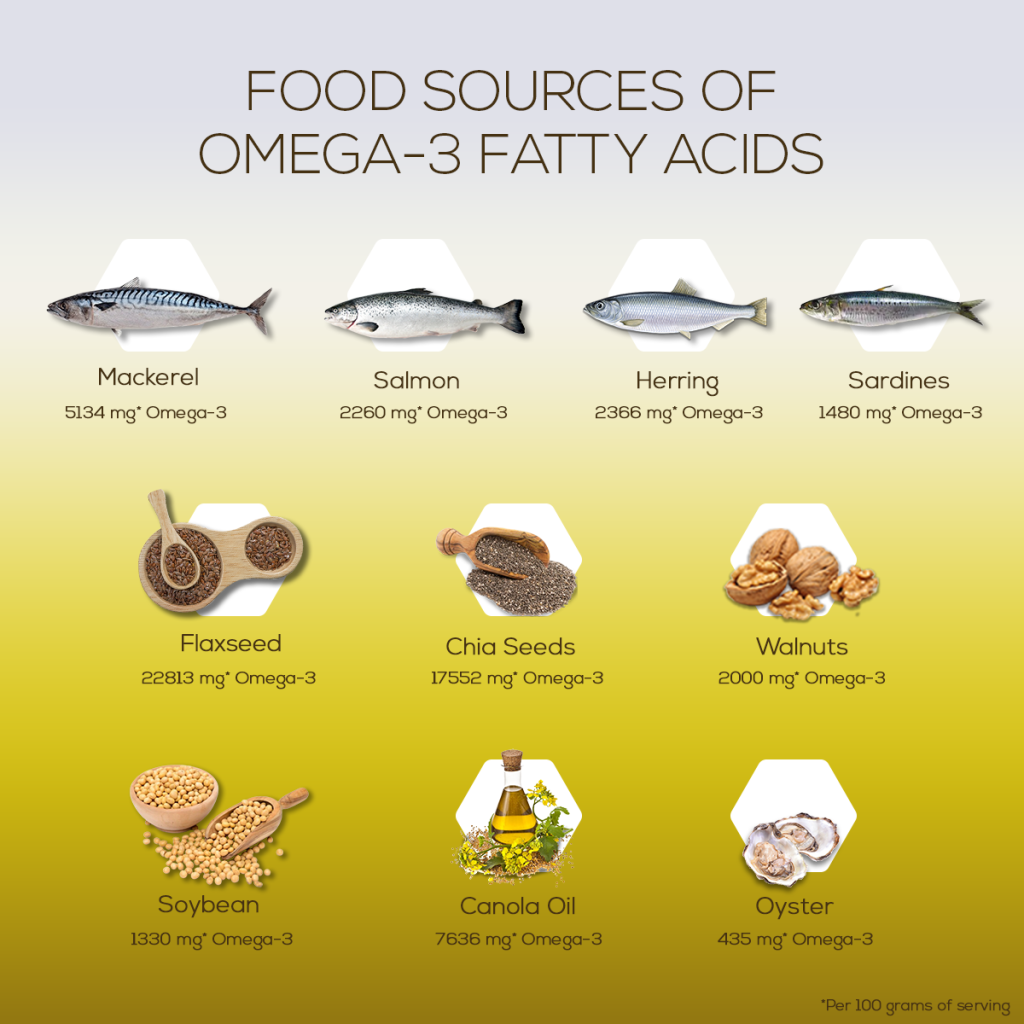
One of the standout features of mackerel is its high omega-3 fatty acid content. Omega-3s are essential polyunsaturated fats that play a crucial role in maintaining optimal health. These fatty acids cannot be produced by the human body naturally; hence we must obtain them from our diets. Mackerel serves as an excellent source of two types of omega-3s: eicosapentaenoic acid (EPA) and docosahexaenoic acid (DHA). Both EPA and DHA are known for their anti-inflammatory properties, which can help reduce the risk of chronic diseases such as heart disease, arthritis, and even certain types of cancer.
Consuming omega-3 fatty acids has been linked to improved brain function as well. DHA specifically is an integral component of brain tissue that plays a crucial role in cognitive development throughout life. Studies have suggested that regular intake of DHA can improve memory, attention, and overall brain performance. Including mackerel in your diet is a delicious way to support brain health and promote mental well-being.
In addition to omega-3 fatty acids, mackerel is also an excellent source of high-quality protein. Protein is essential for the growth and repair of tissues in our bodies. Including adequate amounts of protein in our diets helps build and maintain muscle mass, supports immune function, and aids in hormone production.
Mackerel’s protein content makes it particularly beneficial for individuals following a vegetarian or vegan lifestyle who might struggle to meet their daily protein requirements. This fish provides a complete amino acid profile, including all nine essential amino acids that the body cannot produce on its own. By incorporating mackerel into their meals, vegetarians and vegans can ensure they are getting a well-rounded intake of necessary nutrients.
Another noteworthy benefit of mackerel is its abundance of vitamins and minerals. It contains significant amounts of vitamin D, vitamin B12, selenium, magnesium, phosphorus, potassium, iron, zinc, and calcium. Vitamin D plays a crucial role in maintaining bone health by aiding calcium absorption. Adequate levels of vitamin D have also been associated with reduced risk factors for various diseases such as cancer and autoimmune disorders.
Vitamin B12 is essential for proper red blood cell formation and neurological function. A deficiency in this vitamin can lead to fatigue, confusion, mood disturbances like depression or anxiety; therefore incorporating mackerel into your diet can help ensure you are meeting your B12 needs naturally.
Selenium acts as an antioxidant within the body alongside other nutrients like vitamins C & E helping protect cells from damage caused by free radicals which contribute to chronic illnesses such as heart disease or certain cancers. The presence of these trace minerals further enhances the nutritional value that comes with consuming mackerel regularly.
When choosing mackerel at the market or grocery store it’s important to select the freshest and highest quality fish available. Look for mackerel that has bright, clear eyes and shiny skin. The fish should have a firm texture and give off a fresh sea smell. If purchasing whole mackerel, ensure it has been properly gutted to prevent any unpleasant flavors.
Mackerel can be prepared in various ways to suit different tastes and preferences. It can be grilled, baked, broiled, or even smoked to enhance its natural flavor while maintaining its nutritional integrity. One popular way of enjoying mackerel is by making it into patties or cakes mixed with herbs and spices for added flavor.
For a quick and easy meal option, consider adding canned mackerel to salads or pasta dishes. Canned mackerel also makes an excellent addition to sandwiches or wraps when mixed with avocado or Greek yogurt as a healthy alternative to mayonnaise-based spreads.
It’s worth noting that due to its higher mercury content compared to some other types of seafood, pregnant women and young children should limit their intake of mackerel to avoid potential health risks associated with mercury exposure. However, for the general population including this fish as part of a balanced diet offers numerous benefits without posing any significant risk.
In conclusion, mackerel is an incredibly nutritious fish that deserves recognition for its impressive health benefits. From providing essential omega-3 fatty acids and high-quality protein to being rich in vitamins and minerals like vitamin D, B12, selenium; this flavorful fish supports overall well-being from head-to-toe.
By incorporating mackerel into your regular diet through various cooking methods such as grilling or baking along with creative recipes like patties or salads you can enjoy delicious meals while reaping the rewards of improved brain function enhanced heart health increased bone strength & immune support plus so much more! So go ahead—dive into the world of mackerel today!

Leave a Reply