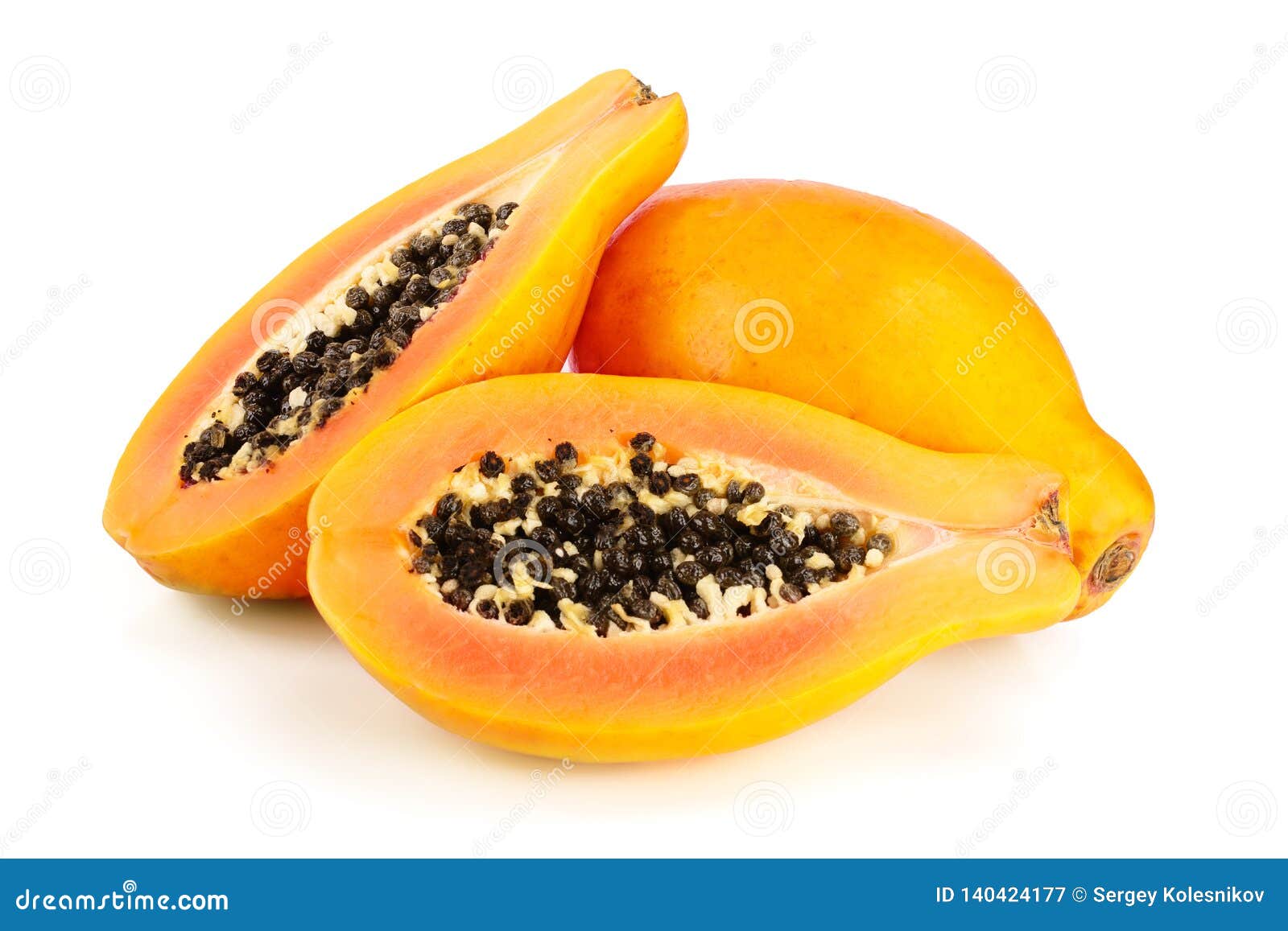
How to Choose a Ripe Papaya
Papayas are not only delicious but also packed with essential nutrients that promote good health. However, choosing the right papaya can sometimes be a bit tricky, especially if you’re unfamiliar with this tropical fruit. In this article, we will guide you through the process of selecting a ripe papaya so that you can enjoy its sweet and juicy flavors to the fullest.
1. Consider the Color
The color of a papaya is one of the primary indicators of its ripeness. When selecting a ripe papaya, look for ones that have turned fully yellow or golden in color. Avoid green or partially green fruits as they are likely underripe and may taste bitter or lack flavor.
2. Examine the Skin Texture
Another important factor to consider when choosing a ripe papaya is its skin texture. Gently press your fingertips against the outer surface of the fruit; it should yield slightly without feeling too mushy or overly firm. A perfectly ripe papaya will have smooth skin without any major blemishes or bruises.
3. Assess Aroma
A sweet, fragrant aroma is an excellent sign that your papaya is ready to be enjoyed. Take a whiff near the stem end of the fruit – if it smells pleasantly sweet and tropical, then it’s likely ripe and full of flavor. However, avoid any fruits with unpleasant odors as they might indicate spoilage.
4. Check for Ripening Spots
Ripening spots on a papaya are small patches where the skin has turned from green to yellowish-brown due to exposure to sunlight during growth on trees or while being transported. These spots indicate that the fruit is naturally ripening and nearing its peak sweetness level.
5. Press Test
To further ensure that your chosen papaya is adequately ripened yet still firm enough for slicing and eating, perform a gentle press test using your thumb against the fruit’s skin. A ripe papaya should give in slightly and bounce back, but not leave any indentations or feel overly soft.
6. Size Matters
While size doesn’t directly indicate ripeness, it can be a good indicator of the fruit’s maturity level. Choose papayas that are medium to large in size, as smaller ones might still need time to fully develop their flavors.
7. Consider the Season
Papayas are available year-round in some regions but have peak seasons depending on their variety and origin. For example, Hawaiian Solo papayas are at their best from March to July, while Mexican Maradol papayas thrive from May to September. Choosing papayas during their peak season will likely guarantee optimal flavor and quality.
8. Pay Attention to Stem Condition
Inspecting the stem end of a papaya can provide valuable insights into its freshness and ripeness. If the stem is green or slightly yellow with no signs of mold or rotting, it indicates that the fruit was recently harvested and is likely still fresh.
9. Shake Test
Although not foolproof, shaking a whole papaya gently can help determine its ripeness level by listening for seeds moving inside the fruit cavity. If you hear seeds rattling around when you shake it lightly, chances are it’s ripe or close to being ripe.
10. Ripening at Home
If you’ve purchased an underripe papaya but cannot resist trying it right away, don’t worry! You can speed up the ripening process by placing your unripe fruit in a paper bag along with an apple or banana (which produce ethylene gas) for one to three days until it reaches desired ripeness.
Now that you know how to choose a ripe papaya let’s explore some delicious ways you can incorporate this tropical delight into your diet:
– Enjoy freshly sliced papaya as a refreshing snack.
– Add diced pieces of ripe papaya into your favorite fruit salad.
– Blend papaya with other fruits to make a tropical smoothie or juice.
– Create a delicious salsa by combining diced papaya, tomatoes, onions, jalapenos, lime juice, and cilantro.
– Use ripe papaya as a topping for yogurt or ice cream.
– Make a vibrant papaya salsa to complement grilled fish or chicken.
Remember that the key to enjoying the best flavors of papaya lies in selecting a ripe and properly ripened fruit. So put these tips into practice and get ready to savor the sweet taste of this tropical delight!

Leave a Reply