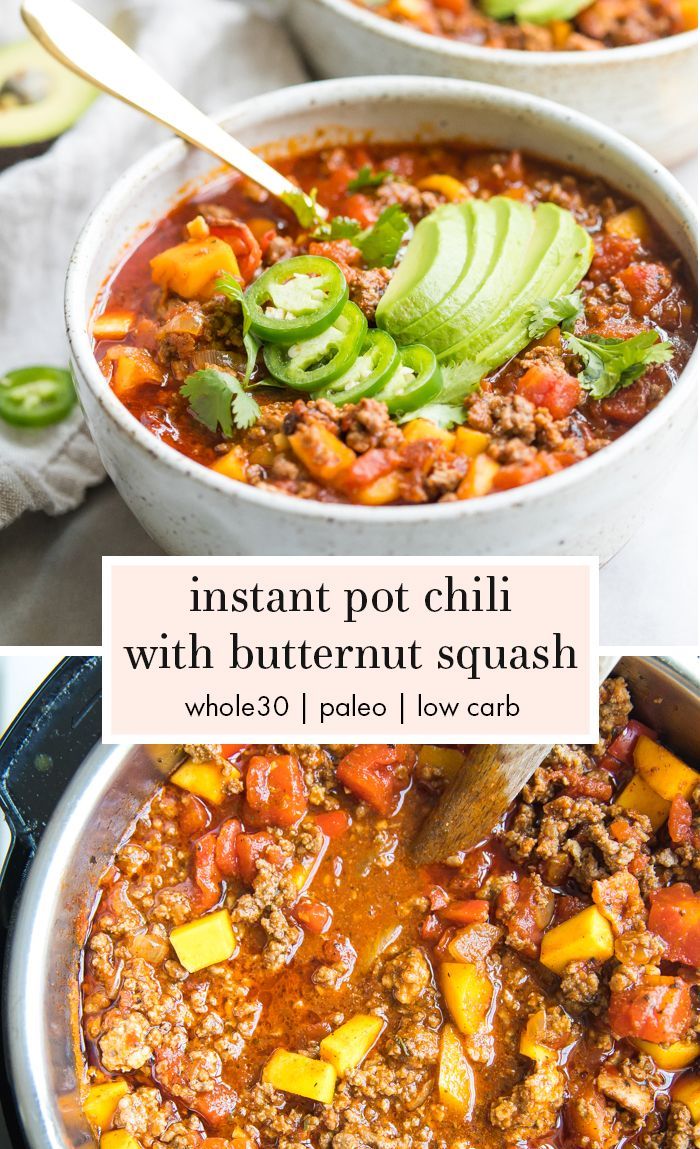
Simmering is a cooking technique that has been used for centuries to create flavorful and nutritious meals. It involves cooking ingredients in liquid at a low and gentle heat, allowing the flavors to meld together slowly over time. Simmering not only enhances the taste of your food but also helps retain its nutrients, making it an excellent choice for healthy eating. In this article, we will explore the top 15 reasons why simmering should be a part of your regular cooking routine.
1. Retains Nutrients: Simmering preserves the vitamins and minerals present in ingredients due to the low heat involved. Unlike boiling or frying, which can cause nutrient loss, simmering allows you to enjoy a dish that is both delicious and nutritious.
2. Enhances Flavor: The slow-cooking process of simmering allows flavors to develop fully, resulting in rich and complex tastes. Whether you’re making soups, stews, or sauces, simmered dishes are known for their depth of flavor.
3. Tenderizes Tough Cuts of Meat: Tough cuts of meat such as beef shanks or pork shoulder become tender and succulent when simmered for an extended period. The long cooking time breaks down connective tissues and collagen within the meat fibers, resulting in melt-in-your-mouth goodness.
4. Economical Cooking Method: Simmering is an excellent way to stretch your budget as it makes use of inexpensive ingredients like beans, lentils, and cheaper cuts of meat without compromising on taste or nutrition.
5. Easy Preparation: Simmered dishes often require minimal preparation before they go into the pot – chop some vegetables or brown some meat – then simply let them cook slowly on their own while you attend other tasks.
6. Versatility: You can simmer almost any ingredient imaginable – from vegetables and grains to meats and legumes – making it a versatile technique suitable for various dietary preferences.
7. Low-Fat Cooking: Since simmering doesn’t require the addition of excessive fats or oils, it is an ideal cooking method for those looking to reduce their fat intake. The slow-cooking process allows flavors to develop without relying on added fats for taste.
8. Helps with Digestion: Simmered dishes are easier to digest as the longer cooking time breaks down complex carbohydrates and proteins into more easily absorbable forms, making it gentler on your digestive system.
9. Maximizes Flavor Extraction from Ingredients: By simmering ingredients in liquid over low heat, you can extract maximum flavor from spices, herbs, and aromatics. This enhances the overall taste profile of your dishes without needing to add excessive salt or seasonings.
10. Promotes Hydration: Many simmered dishes contain a significant amount of liquid such as broths or stocks, which helps keep you hydrated while enjoying a delicious meal.
11. Time-Saving: Although simmering requires longer cooking times compared to other methods like sautéing or grilling, it’s also a hands-off technique that allows you to multitask while your food cooks slowly on the stove.
12. One-Pot Wonder: Simmering often involves combining multiple ingredients in one pot, resulting in fewer dirty dishes and less cleanup after cooking – a win-win situation!
13. Meal Prep Friendly: Simmered dishes like soups and stews can be easily prepared in large batches and stored for later consumption. This makes them perfect for meal prepping ahead of time and ensuring you have healthy meals readily available throughout the week.
14. Comfort Food Galore: Simmering conjures up images of warm bowls filled with hearty soups and stews – ultimate comfort foods that are not only satisfying but also nourishing for both body and soul.
15. Family-Friendly Meals: Simmered dishes tend to be crowd-pleasers among all age groups due to their rich flavors and comforting textures. Whether it’s a classic chicken noodle soup or a hearty beef stew, simmering allows you to create meals that everyone will love.
In conclusion, simmering is a versatile and beneficial cooking technique that deserves a place in your kitchen. From retaining nutrients to enhancing flavors and tenderizing tough cuts of meat, the advantages of simmering are numerous. So next time you’re planning your meals, consider incorporating this slow-cooking method for healthy and delicious results.

Leave a Reply