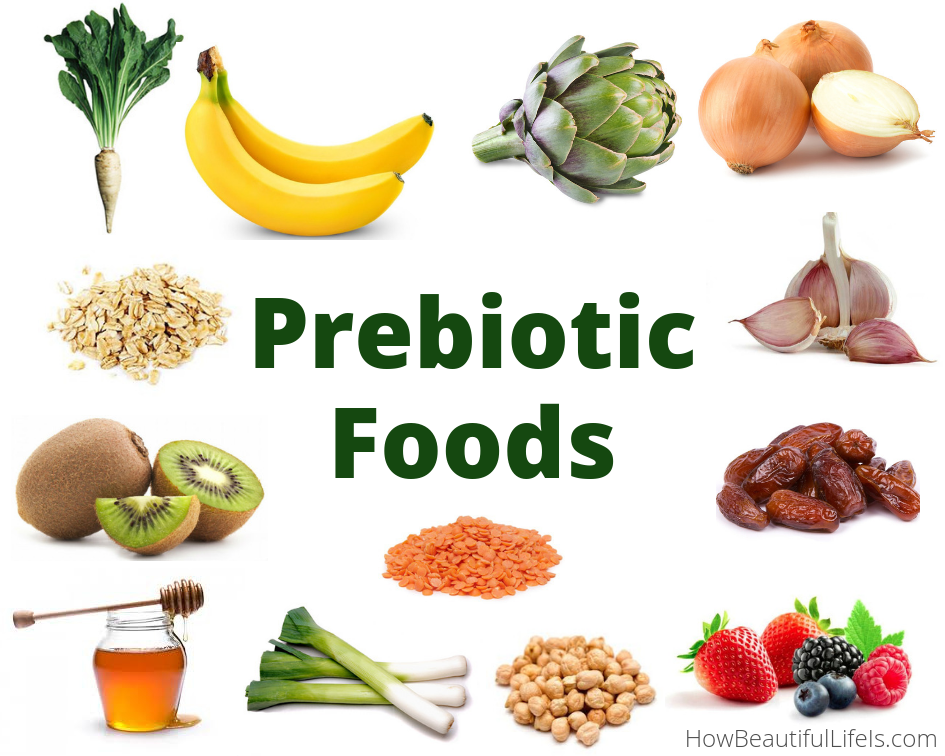
Preventing Costly Digestive Problems with a Prebiotic-Rich Diet
Introduction:
Digestive problems can be both uncomfortable and costly. Conditions such as irritable bowel syndrome (IBS), acid reflux, and inflammatory bowel disease (IBD) can lead to frequent doctor visits, medications, and even surgeries. However, one effective way to prevent these issues is by adopting a prebiotic-rich diet. Prebiotics are non-digestible fibers that promote the growth of beneficial bacteria in the gut. In this article, we will explore how incorporating prebiotics into your daily meals can help maintain a healthy digestive system, prevent costly medical conditions, and improve overall well-being.
Understanding Digestive Health:
Before diving into the benefits of prebiotics on digestive health, it’s important to understand how our digestive system works. The gastrointestinal tract is home to trillions of microorganisms collectively known as the gut microbiota. These microbes play a crucial role in digestion by breaking down food particles and aiding nutrient absorption.
However, an imbalance in the gut microbiota can lead to various digestive disorders. Factors such as poor diet choices, stress, lack of sleep, antibiotic use, and sedentary lifestyles all contribute to disrupting this delicate ecosystem. Consequently, harmful bacteria may thrive while beneficial ones decline.
The Role of Prebiotics:
Prebiotics act as fuel for probiotics—the good bacteria residing in our gut—and help them flourish. They are indigestible fibers that pass through the upper part of our gastrointestinal tract undigested until they reach the colon where they undergo fermentation by beneficial bacteria.
By nourishing probiotics like Bifidobacteria and Lactobacilli species prevalent in our intestines with prebiotics such as fructooligosaccharides (FOS) or inulin-type fructans (ITFs), we can promote their growth and restore balance within our gut microbiota.
Benefits of a Prebiotic-Rich Diet:
1. Improved Digestive Health: Consuming prebiotics helps maintain a healthy gut microbiota, reducing the risk of digestive disorders such as IBS, acid reflux, and IBD. Prebiotics also aid in regular bowel movements by increasing stool bulk and promoting intestinal motility.
2. Enhanced Nutrient Absorption: A healthy gut flora improves the absorption of essential nutrients like vitamins and minerals from food. When our gut is populated with diverse beneficial bacteria, they enhance the breakdown and utilization of these nutrients.
3. Strengthened Immune System: Approximately 70% to 80% of our immune system resides in our gut. By supporting the growth of beneficial bacteria through prebiotics, we stimulate the production of short-chain fatty acids (SCFAs) like butyrate—an energy source for colon cells that strengthens the intestinal barrier and boosts immunity.
4. Reduced Inflammation: Chronic inflammation is often associated with digestive disorders such as Crohn’s disease or ulcerative colitis. The fermentation process triggered by prebiotics produces anti-inflammatory compounds that soothe intestinal inflammation and reduce its severity.
5. Weight Management: Research suggests that an imbalanced gut microbiota may contribute to weight gain and obesity. Prebiotics help modulate appetite-regulating hormones, increase satiety levels after meals, and assist in maintaining a healthy body weight.
Sources of Prebiotics:
Now that we understand how important prebiotics are for our digestive health let’s explore some common sources:
1. Whole Grains: Foods like oats, barley, quinoa, brown rice, whole wheat bread/pasta are rich sources of fiber including beta-glucan—a type of prebiotic known to promote good bacteria growth.
2. Fruits & Vegetables: Many fruits and vegetables contain high amounts of soluble fibers acting as prebiotics in our bodies.
– Bananas: Rich in resistant starch and fructooligosaccharides, bananas fuel the growth of beneficial bacteria.
– Garlic & Onions: These pungent foods contain prebiotic fibers that support gut health.
– Asparagus & Jerusalem Artichokes: These vegetables are abundant in inulin, a prebiotic fiber.
3. Legumes: Beans, lentils, chickpeas, and other legumes are excellent sources of prebiotics such as galactooligosaccharides (GOS) and resistant starch. They also provide additional protein to support overall nutrition.
4. Nuts & Seeds: Almonds, flaxseeds, chia seeds, and walnuts offer both healthy fats and prebiotic fibers.
5. Fermented Foods: Probiotic-rich foods like yogurt, kefir, sauerkraut, kimchi, and miso can indirectly support the growth of beneficial bacteria by providing a favorable environment for their survival.
Incorporating Prebiotics Into Your Diet:
To maximize your intake of prebiotics:
– Include a variety of fruits and vegetables in your meals.
– Opt for whole grains instead of refined options whenever possible.
– Experiment with legume-based recipes such as soups or salads.
– Snack on nuts or seeds between meals for an added fiber boost.
– Incorporate fermented foods into your diet regularly.
It is worth noting that some individuals may experience digestive discomfort when first increasing their fiber intake. To avoid this issue gradually increase your consumption over time while ensuring adequate hydration to promote smoother digestion.
Conclusion:
A well-balanced diet rich in prebiotics can significantly contribute to maintaining optimal digestive health while preventing costly medical conditions associated with imbalances in gut microbiota. By incorporating whole grains, fruits, vegetables, legumes, nuts/seeds into our daily meals alongside fermented foods like yogurt or sauerkraut, we can support the growth of beneficial bacteria in our gut. Ultimately, prioritizing a prebiotic-rich diet is an investment in both our digestive wellness and overall well-being.

Leave a Reply