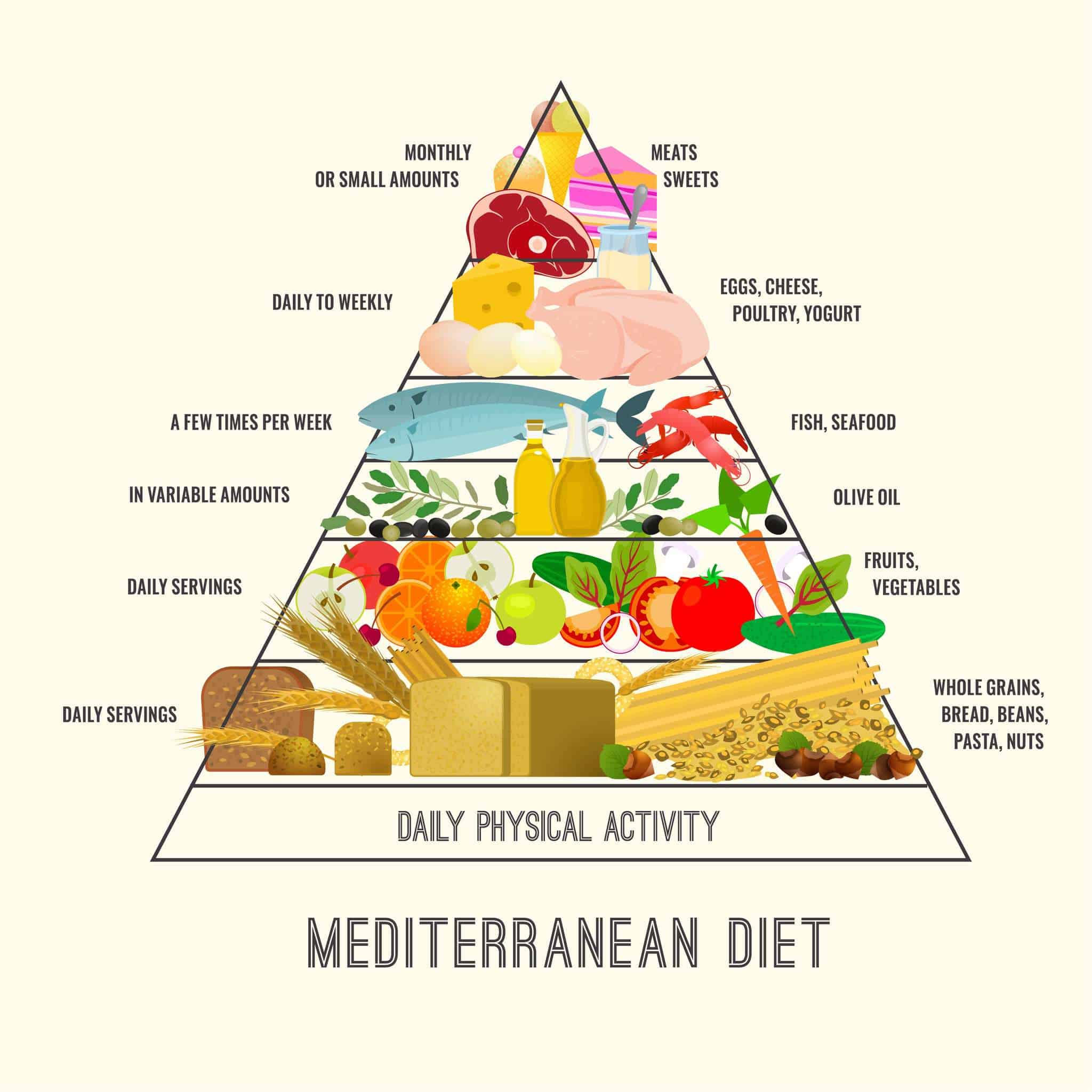
The Mediterranean diet has gained significant recognition for its numerous health benefits, particularly in managing diabetes. This eating pattern is inspired by the traditional dietary habits of people living in countries surrounding the Mediterranean Sea, such as Greece, Italy, and Spain. It emphasizes whole foods, fresh produce, lean proteins, and healthy fats while limiting processed foods and added sugars. Research suggests that following a Mediterranean diet can help regulate blood sugar levels, improve insulin sensitivity, reduce inflammation, and lower the risk of developing type 2 diabetes. In this article, we will delve into the specifics of how adopting a Mediterranean-style eating plan can be beneficial for individuals with diabetes.
1. Plant-Based Focus:
The foundation of the Mediterranean diet is plant-based foods like fruits, vegetables, legumes (beans and lentils), nuts, seeds, whole grains (such as brown rice and quinoa), herbs, and spices. These nutrient-dense foods are rich in fiber which aids digestion and helps maintain steady blood sugar levels. Additionally, they contain an array of vitamins, minerals like magnesium and potassium which play crucial roles in glucose metabolism.
2. Healthy Fats:
Unlike typical Western diets high in unhealthy saturated fats from animal sources or processed oils like corn or soybean oil; the Mediterranean diet encourages consuming healthier fat sources such as olive oil (rich in monounsaturated fatty acids), avocados (a great source of heart-healthy fats), nuts (like almonds or walnuts) known for their omega-3 fatty acid content.
These healthy fats have been linked to improved insulin sensitivity which allows cells to better utilize glucose from the bloodstream effectively.
3. Lean Proteins:
While fish consumption is emphasized due to its omega-3 fatty acid content – known for reducing inflammation – followers of this eating pattern also consume moderate amounts of poultry eggs dairy products such as Greek yogurt or cheese; opting for leaner cuts when it comes to red meat consumption.
Protein-rich foods help promote satiety and can prevent blood sugar spikes, especially when combined with high-fiber carbohydrates.
4. Limited Added Sugars:
One of the hallmarks of the Mediterranean diet is its focus on natural sweetness from fruits rather than added sugars. Refined sugars, found in processed foods like sodas, candies, and baked goods, can cause rapid blood sugar elevation. By minimizing these added sugars or even eliminating them altogether – individuals with diabetes are better able to manage their glucose levels effectively.
5. Red Wine (in moderation):
Moderate consumption of red wine is often associated with the Mediterranean diet. However, it’s important to note that this aspect only applies to individuals who do not have contraindications such as liver disease or alcohol addiction.
Red wine contains a compound called resveratrol which has been linked to various health benefits including improved insulin sensitivity and reduced risk of heart disease – a common complication seen in individuals with diabetes.
6. Antioxidants and Phytochemicals:
The Mediterranean diet is rich in antioxidants and phytochemicals due to its emphasis on whole plant-based foods like fruits, vegetables, herbs, spices; particularly dark leafy greens such as kale or spinach which boast high concentrations of nutrients known for their potent antioxidant properties.
These compounds help combat oxidative stress caused by free radicals and reduce inflammation – both of which play vital roles in managing diabetes effectively.
7. Portion Control:
While the quality of food consumed is crucial when following a Mediterranean-style eating pattern, portion control also plays an integral role.
Even healthy foods should be eaten mindfully while paying attention to hunger cues rather than overindulging.
Maintaining appropriate portion sizes helps regulate calorie intake leading to weight management – an essential factor for preventing or managing type 2 diabetes.
8. Regular Physical Activity:
Although not directly related to nutrition; physical activity is an important component in managing diabetes alongside adopting a healthy eating plan.
Regular exercise helps improve insulin sensitivity, aids in weight management, and promotes overall cardiovascular health.
It’s worth noting that the Mediterranean diet is not a one-size-fits-all approach. Individual needs may vary depending on factors like age, sex, activity level, and underlying medical conditions. Therefore, it is advisable to consult with a healthcare professional or registered dietitian who can provide personalized guidance based on specific requirements.
In conclusion, adopting a Mediterranean-style eating pattern can be an effective strategy for managing diabetes. Its emphasis on plant-based whole foods, healthy fats, lean proteins, limited added sugars, antioxidants/phytochemicals-rich choices coupled with portion control and regular physical activity make it a well-rounded approach to maintaining blood sugar levels within the target range. By incorporating these principles into your everyday life – you are taking proactive steps towards better diabetes management and improved overall health.

Leave a Reply