Pineapple Nutrition Facts: A Sweet and Healthy Tropical Delight
Pineapple, with its tropical taste and succulent flesh, is not just a delicious fruit but also a nutritional powerhouse. Packed with essential vitamins, minerals, and enzymes, pineapple offers numerous health benefits when incorporated into your diet. In this article, we will explore the impressive nutrition facts of pineapple and how it can positively impact your overall well-being.
Vitamin C Boost:
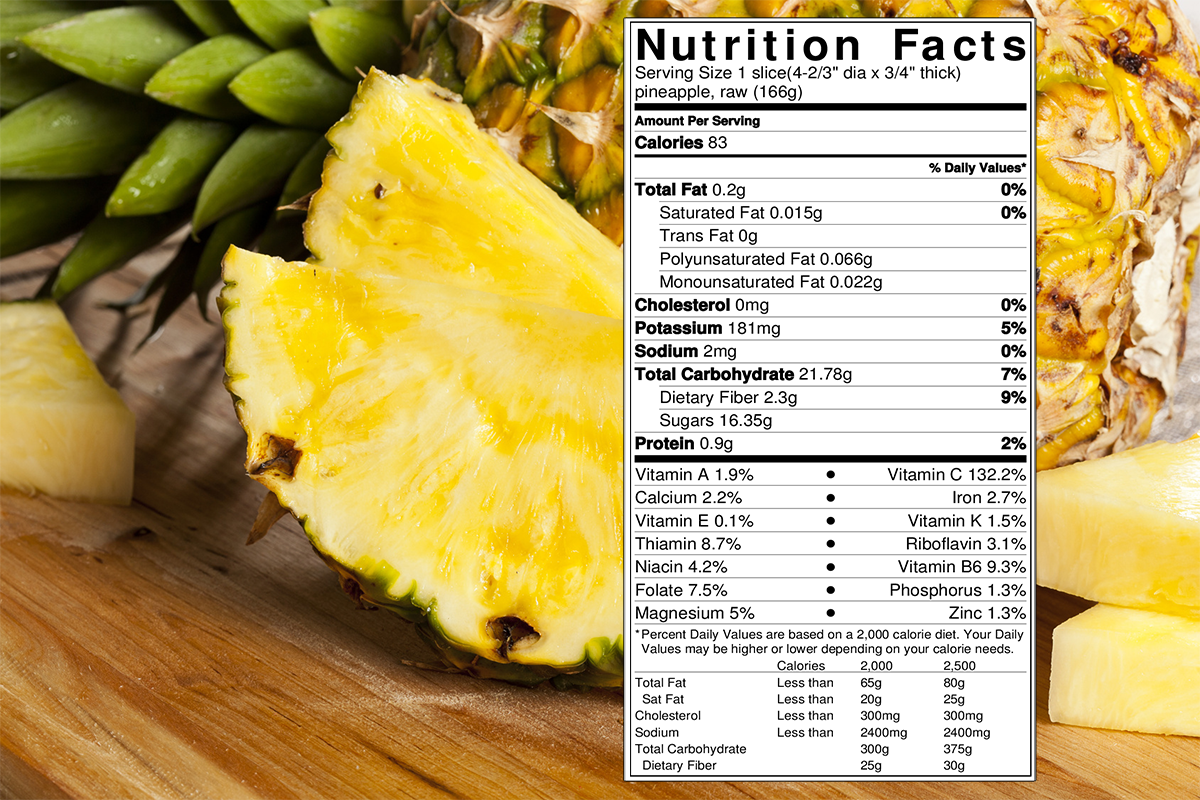
One of the standout qualities of pineapple is its high vitamin C content. Just one cup of fresh pineapple chunks provides around 131% of the recommended daily intake (RDI) for vitamin C. This powerful antioxidant plays a crucial role in strengthening the immune system by protecting against free radicals that can damage cells and lead to illness.
Digestive Health:
Bromelain, an enzyme present in pineapple, is well-known for its digestive properties. This enzyme aids in breaking down proteins in the stomach into smaller molecules called amino acids, making digestion more efficient. Bromelain has been used traditionally as a natural remedy for indigestion and can help alleviate symptoms such as bloating and heartburn.
Anti-inflammatory Properties:
In addition to aiding digestion, bromelain also possesses anti-inflammatory properties that have been linked to reducing pain associated with arthritis and sports injuries. Studies suggest that bromelain may help reduce swelling by inhibiting certain compounds involved in inflammation.
Rich Source of Manganese:
Pineapple serves as an excellent source of manganese – a trace mineral essential for various bodily functions. Manganese acts as a cofactor for many enzymes involved in metabolism and energy production while also playing a vital role in bone health. One cup of pineapple contains approximately 76% of the RDI for manganese.
Fiber Content:
A serving size of one cup contains about 2 grams of dietary fiber which contributes towards better digestive health by promoting regular bowel movements while preventing constipation. Including fiber-rich foods like pineapple in your diet can also help control cholesterol levels and reduce the risk of heart disease.
Hydration:
Pineapple is a hydrating fruit, with around 86% water content. Staying hydrated is essential for overall health, as it aids in digestion, circulation, temperature regulation, and nutrient absorption. Snacking on pineapple during hot summer days can help replenish lost fluids while enjoying its refreshing taste.
Vitamin B6 Powerhouse:
Pineapple is rich in vitamin B6 – a nutrient that plays a vital role in brain development and function. This important vitamin helps produce neurotransmitters such as serotonin and norepinephrine, which regulate mood, sleep patterns, and stress response. Incorporating pineapple into your diet can support mental well-being and improve cognitive function.
Eye Health Support:
Loaded with beta-carotene and vitamin A precursors known for their antioxidant properties, pineapples contribute to maintaining good eye health. These nutrients protect against macular degeneration – a leading cause of vision loss – by neutralizing free radicals that damage the eyes’ delicate cells.
Weight Management:
Being low in calories yet high in fiber content makes pineapple an excellent choice for those looking to manage their weight effectively. The natural sweetness of this fruit provides a satisfying treat without resorting to unhealthy sugary snacks or desserts.
Immune System Booster:
Thanks to its potent vitamin C content mentioned earlier, pineapples are great allies when it comes to boosting the immune system’s defenses against common illnesses like colds and flu. Vitamin C enhances white blood cell production while improving their ability to fight off infections.
Incorporating Pineapple Into Your Diet:
Now that you know about the incredible nutritional value of pineapples let’s explore some delicious ways to include them in your daily meal plan:
1. Fresh Fruit Salad: Combine diced pineapple with other fruits like berries, kiwi, or mango for a colorful burst of flavor.
2. Smoothies: Blend pineapple with spinach, banana, and coconut water for a refreshing and nutrient-packed smoothie.
3. Grilled Pineapple: Slice fresh pineapple and grill it until caramelized to enjoy as a healthy dessert or side dish.
4. Salsa: Mix diced pineapple with red bell pepper, onion, cilantro, lime juice, and jalapeno for a tangy salsa that pairs well with grilled fish or chicken.
5. Stir-Fry Delight: Add pineapple chunks to your favorite stir-fry recipe for a tropical twist that balances savory flavors.
Conclusion:
Pineapple not only adds tropical flair to your meals but also offers an array of health benefits. From providing essential vitamins and minerals to aiding digestion and reducing inflammation, this sweet fruit is truly a nutritional powerhouse. So go ahead and enjoy the many delights of pineapples while reaping their incredible health advantages!

Leave a Reply