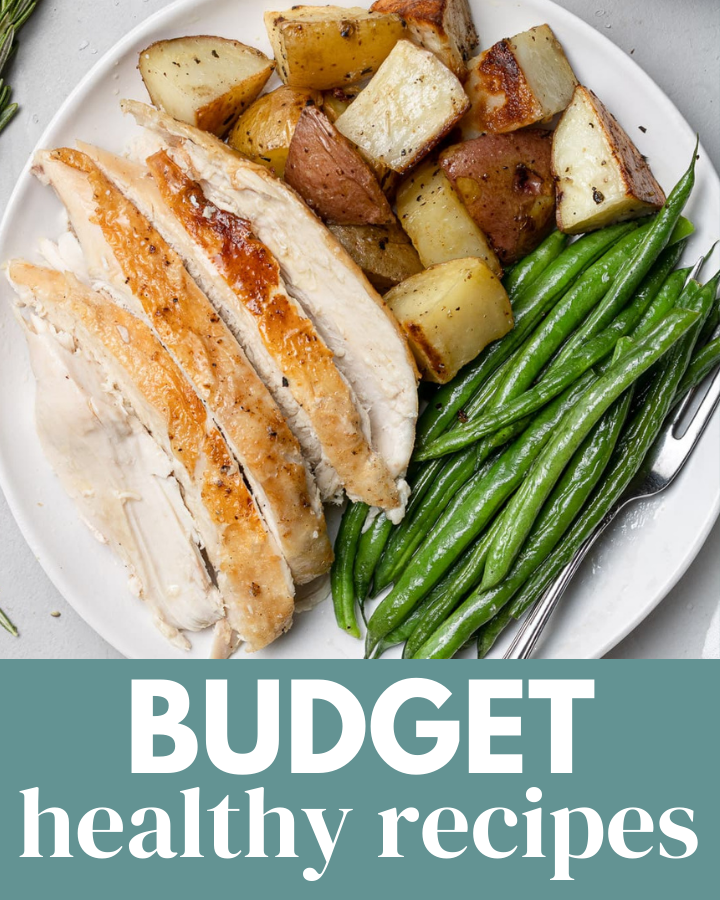
Planning Affordable and Nutritious Meals for the Whole Family
When it comes to feeding a family, finding the balance between affordability and nutrition can be a daunting task. With busy schedules and limited budgets, it’s easy to rely on fast food or processed meals that may not provide the necessary nutrients our bodies need. However, with proper planning and some creative thinking, it is possible to prepare affordable and nutritious meals that will please the entire family.
1. Set a Budget:
The first step in planning affordable meals is to set a budget. Determine how much you can afford to spend on groceries each week or month. This will help guide your meal planning choices and ensure you stay within your financial limits.
2. Plan Your Meals:
Take some time each week to plan out your meals in advance. Start by considering what ingredients you already have at home, then make a list of recipes that incorporate those ingredients. Look for recipes that are simple, use affordable ingredients, and provide balanced nutrition.
3. Shop Smartly:
Once you have planned your meals for the week, create a shopping list based on those recipes. Stick to your list when at the grocery store to avoid impulse purchases that might blow your budget.
Additionally, consider shopping at local farmers’ markets or buying produce from discount stores as they often offer lower prices than mainstream supermarkets without compromising quality.
4. Embrace Seasonal Produce:
Seasonal fruits and vegetables tend to be more affordable because they are readily available in abundance during specific times of the year. These items also tend to taste better since they are grown closer to home rather than being shipped long distances.
By incorporating seasonal produce into your meal plans, not only will you save money but you’ll also expose yourself and your family members to different flavors throughout the year.
5. Make Use of Staple Foods:
Staple foods such as rice, beans, pasta, oats, canned tomatoes, frozen vegetables/fruits are inexpensive and versatile. They can form the base of many meals while providing essential nutrients like fiber, protein, and vitamins.
For example, rice and beans can be transformed into a hearty veggie burrito bowl by adding some sautéed vegetables and salsa on top. Similarly, pasta can be dressed up with a variety of sauces made from canned tomatoes or frozen veggies.
6. Plan for Leftovers:
Leftovers are an excellent way to stretch your budget while minimizing food waste. When planning your meals, think about how you can repurpose leftovers into new dishes.
For instance, if you make a large batch of roasted chicken one night, use the leftover meat to make sandwiches or add it to a salad the next day. This not only saves money but also saves time in the kitchen.
7. Cook in Bulk:
Preparing meals in bulk is another great strategy for saving both time and money. Make larger quantities of soups, stews, casseroles, or even grains like quinoa or brown rice that can be used throughout the week in various recipes.
By cooking in bulk and storing extra portions in the freezer for later use, you’ll always have healthy homemade options available when you’re short on time or energy to cook from scratch.
8. Get Creative with Protein Sources:
Protein is often considered expensive when it comes to meal planning; however there are affordable alternatives to meat that provide adequate nutrition without breaking the bank.
Consider incorporating plant-based proteins such as lentils, chickpeas (garbanzo beans), tofu or tempeh into your meal rotation. These options are not only cost-effective but also offer health benefits due to their high fiber content and lower saturated fat levels compared to animal proteins.
9. Limit Processed Foods:
Processed foods may seem convenient at first glance but they tend to be more expensive than whole foods while lacking nutritional value. Try reducing your reliance on processed snacks and pre-packaged meals by opting for homemade alternatives.
For example, instead of buying pre-packaged granola bars, make your own using oats, nuts, and dried fruits. Not only will you save money but you can control the ingredients and ensure they are free from additives or excess sugar.
10. Involve the Entire Family:
Make meal planning a family affair by involving everyone in the process. Ask each family member to contribute ideas for meals or help with grocery shopping and food preparation.
This not only teaches children about healthy eating habits but also encourages them to try new foods since they have been involved in selecting and preparing them.
In conclusion, planning affordable and nutritious meals for the whole family is easily achievable with some thoughtfulness and organization. By setting a budget, planning your meals in advance, shopping smartly, making use of staple foods, embracing seasonal produce, utilizing leftovers, cooking in bulk, getting creative with protein sources, limiting processed foods and involving the entire family; you can enjoy delicious wholesome meals that won’t break the bank. Remember that small changes can add up over time so be patient as you continue on this journey towards healthier eating habits for your family.

Leave a Reply