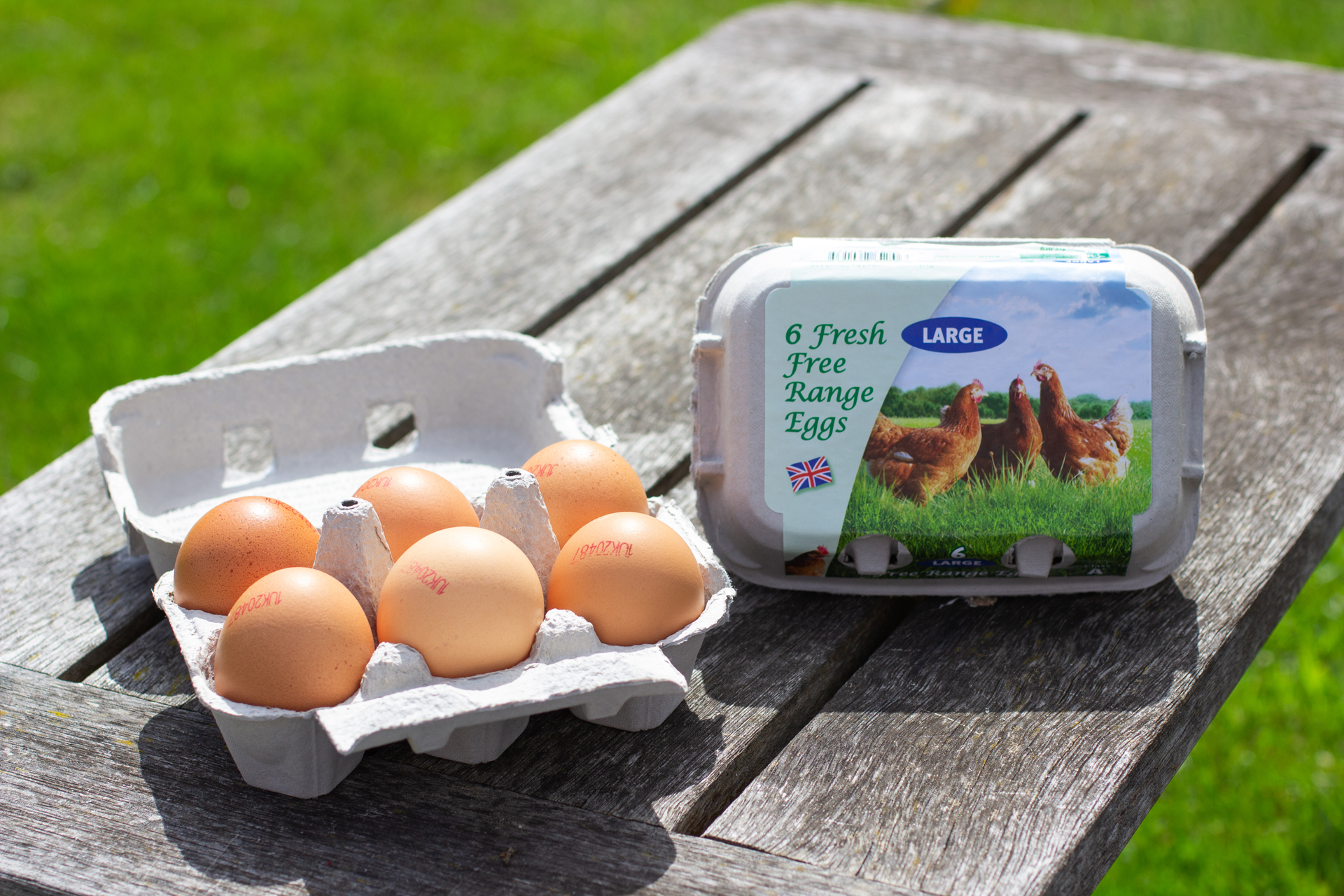
When it comes to eggs, many people are seeking out options that align with their values and support animal welfare. This has led to the rise in popularity of free-range eggs, which are believed to come from hens living happier lives. However, not all labels claiming “free-range” status can be trusted. In this post, we will explore what free-range egg labeling really means and how you can ensure that the eggs you purchase truly meet your ethical standards.
Free-range eggs are often associated with hens that have access to outdoor spaces where they can roam freely and engage in natural behaviors such as scratching in the dirt or sunbathing. These conditions promote healthier living for the birds compared to those confined to small cages or overcrowded barns.
To certify their products as free-range, farmers must meet specific criteria set by certification bodies or regulatory agencies. The exact requirements may vary depending on location and governing bodies, but generally include factors such as minimum space per bird outdoors, shelter availability, and access to food and water.
One well-known certification organization is Certified Humane®, which sets strict standards for egg production labeled as free-range under its program. Their guidelines state that hens must have at least 2 square feet of outdoor space per bird during daylight hours and enough indoor space for them all to comfortably roost at night.
Another respected certification body is American Humane Certified® (AHC). They require a minimum of 4 square feet per bird outside when weather permits, along with adequate indoor space for comfortable movement when necessary.
It’s important to note that there isn’t a universal standard definition for “free-range,” so it’s crucial to look for third-party certifications like these if you want assurance about the treatment of the hens laying your eggs.
Unfortunately, some farms exploit the lack of uniform regulation surrounding this label. Some facilities might provide minimal outdoor access without fulfilling appropriate welfare standards or crowding too many birds into a small space, rendering the label misleading.
To ensure that your free-range eggs are genuinely authentic, consider buying from local farmers or trusted brands that prioritize transparency. Visiting a local farm allows you to witness firsthand how hens are being raised and if they have access to open spaces. Additionally, reputable brands often provide detailed information about their animal welfare practices on their websites or packaging.
Another way to support ethical egg production is by looking for labels such as “Certified Organic” in addition to “free-range.” While this certification primarily focuses on the organic feed given to hens, it also includes specific animal welfare provisions that exceed standard free-range requirements.
By educating yourself and seeking out transparent sourcing and certification practices when purchasing eggs labeled as free-range, you can make more informed choices that align with your values. Remember, supporting responsible farming not only benefits the animals but also promotes healthier and sustainable food systems overall.

Leave a Reply