Seasonal Availability of Asparagus: A Delightful Journey through the Spears of Spring
As the world awakens from its winter slumber, nature unfolds its vibrant colors and flavors. One vegetable that steals the spotlight during this time is none other than asparagus. With its slender green spears and tender texture, asparagus holds a special place in our hearts (and stomachs) when it comes to seasonal delights.
But have you ever wondered why asparagus seems to pop up only during certain times of the year? Or how it manages to maintain its freshness and quality? Join us on an amusing journey into the intriguing world of seasonal availability and discover why asparagus is truly a springtime treasure.
To understand the peculiar timing of asparagus, we must first delve into its fascinating life cycle. Asparagus are perennial plants that can live for several years once established. However, it takes around three years for these plants to reach maturity and produce harvestable spears. This means that patience is key when cultivating this divinely delicious vegetable.
During those early stages of growth, asparagus plants focus their energy on establishing strong root systems rather than producing edible shoots. It’s almost like they’re telling us to hold on just a little bit longer while they prepare themselves for future bounties!
But let’s get back to the main question at hand—why does asparagus seem to grace our tables exclusively during springtime? The answer lies within Mother Nature’s grand plan.
In temperate regions, where most commercial cultivation occurs, spring brings about warmer temperatures and longer daylight hours—a perfect recipe for stimulating new growth in plants. As the soil warms up after winter’s chill retreats, dormant asparagus crowns begin awakening from their slumber.
When conditions are just right—typically when soil temperatures reach around 50°F (10°C)—asparagus spears emerge from beneath the earth with determination. These spearheads eventually elongate into the slender, vibrant green stalks we know and love.
Asparagus cultivation requires meticulous care and attention to detail. Farmers must keep a watchful eye on soil moisture levels, as too much water can lead to root rot, while insufficient irrigation may result in stunted growth. It’s a delicate balance that farmers master through years of experience and dedication.
The harvest season for asparagus is relatively short-lived, typically lasting around six to eight weeks. This limited availability adds an air of exclusivity to this springtime delicacy—making it all the more desirable when it finally graces our plates.
But what happens when you crave asparagus outside its natural season? Fear not! The wonders of modern agriculture provide us with solutions unimaginable just a few decades ago. Thanks to advancements in greenhouse technology and global transportation networks, we can now enjoy fresh produce all year round.
Greenhouses allow farmers to recreate ideal growing conditions anytime by controlling temperature, humidity, and light exposure. This enables them to grow crops such as asparagus even during off-seasons or in regions where it wouldn’t naturally thrive. While these techniques ensure availability throughout the year, there’s something undeniably magical about savoring food at its peak freshness during its natural season.
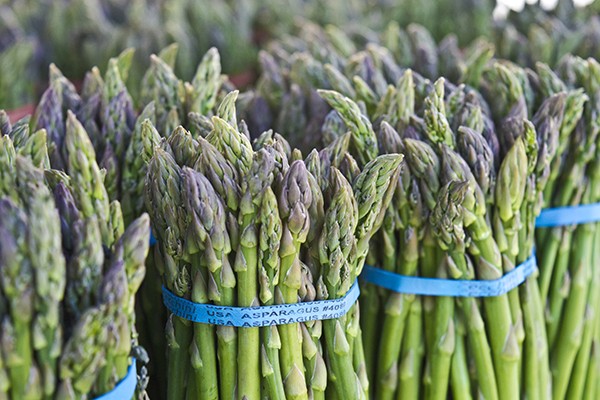
When selecting asparagus at your local grocery store or farmer’s market, keep an eye out for signs of quality. Fresh spears should have firm stems with tight tips that show no signs of wilting or discoloration. The color should be vibrant green from top to bottom—an indication that they were harvested recently.
Once you’ve selected your perfect bundle of spears, it’s time to embark on a culinary adventure! Asparagus is an incredibly versatile vegetable that lends itself well to various cooking methods—from steaming and roasting to grilling or even enjoying raw in salads.
For a simple yet delightful preparation method, try blanching your freshly harvested (or store-bought) asparagus. This involves briefly submerging the spears into boiling water, followed by an immediate plunge into ice-cold water to halt the cooking process. The result? Crisp-tender asparagus with a vibrant green color that’s ready to be enjoyed on its own or incorporated into countless recipes.
Whether you prefer your asparagus grilled alongside juicy steaks, tossed in a zesty pasta dish, or wrapped in bacon for an indulgent treat, there’s no shortage of creative ways to enjoy this seasonal gem.
So next time you find yourself savoring those tender green spears during springtime, take a moment to appreciate the journey they’ve undergone—from their patient growth through winter dormancy to their triumphant emergence during nature’s grand revival. Asparagus truly exemplifies the beauty and joy of seasonal eating, reminding us that some treasures are best savored when they’re at their prime.

Leave a Reply