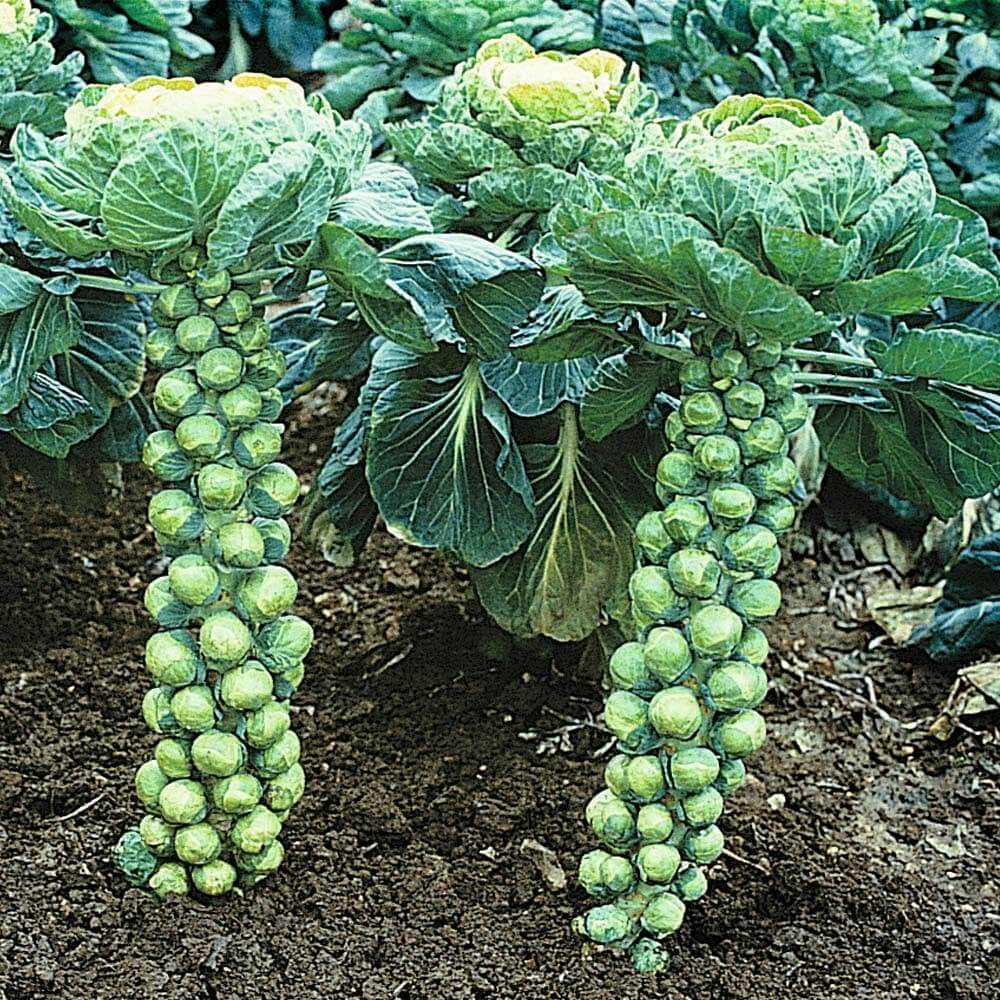
Brussels sprouts, a member of the cruciferous vegetable family, have gained immense popularity in recent years due to their numerous health benefits. These miniature cabbage-like vegetables not only add a unique flavor and texture to dishes but also pack a powerful punch when it comes to antioxidant properties.
Antioxidants are compounds that help protect our cells from damage caused by free radicals. Free radicals are unstable molecules produced during normal bodily processes or as a result of exposure to environmental factors such as pollution or cigarette smoke. When left unchecked, these free radicals can contribute to chronic diseases like cancer, heart disease, and aging.
One of the key antioxidants found in Brussels sprouts is vitamin C. Just 100 grams of these green gems provide more than 85% of the recommended daily intake of this essential nutrient. Vitamin C helps neutralize harmful free radicals and also plays a vital role in collagen synthesis, which keeps our skin healthy and youthful-looking.
In addition to vitamin C, Brussels sprouts are also rich in other antioxidants such as vitamin A and E. These vitamins work together with vitamin C to enhance the body’s natural defense system against oxidative stress.
Moreover, Brussels sprouts contain an array of phytochemicals that possess potent antioxidant properties. One such compound is sulforaphane. Research suggests that sulforaphane may help reduce inflammation and aid in detoxification processes within the body.
Furthermore, Brussels sprouts contain another class of antioxidants called flavonoids. Flavonoids have been associated with various health benefits including reducing the risk of chronic diseases such as heart disease and certain types of cancer.
Research studies have shown that consuming cruciferous vegetables like Brussels sprouts regularly can significantly lower the risk of developing certain types of cancer including lung, breast, colorectal, prostate, and bladder cancer. This protective effect is believed to be attributed to their high content of antioxidants along with other bioactive compounds present in these vegetables.
It is important to note that the antioxidant content in Brussels sprouts can be influenced by factors such as cooking methods and storage. To maximize their antioxidant benefits, it is best to cook Brussels sprouts lightly or even consume them raw. Steaming or sautéing these vegetables helps retain most of their nutrients and antioxidants.
When purchasing Brussels sprouts, opt for fresh ones with tightly-packed leaves and vibrant green color. Store them in a cool place or the refrigerator to preserve their nutritional value.
Incorporating Brussels sprouts into your diet can be an enjoyable experience due to their versatility in cooking. They can be roasted, stir-fried, steamed, or added to salads and soups. Their distinct flavor pairs well with various ingredients like garlic, lemon juice, parmesan cheese, nuts, and even bacon (for those who consume meat).
To conclude, Brussels sprouts are not only nutritious but also offer an abundance of antioxidants that help protect our cells from damage caused by free radicals. Including these mini cabbages in your diet can provide numerous health benefits including reduced risk of chronic diseases like cancer and heart disease. So why not give these underrated vegetables a chance to shine on your plate?

Leave a Reply