Dairy-Free Diets: Exploring the Benefits and Considerations
In recent years, dairy-free diets have gained popularity among individuals seeking a healthier lifestyle, managing food allergies or intolerances, or following specific dietary preferences. Going dairy-free involves eliminating all forms of dairy products from one’s diet, including milk, cheese, yogurt, butter, and other dairy-based foods. While some people adopt this eating pattern out of necessity due to lactose intolerance or milk allergies, others choose it as a conscious decision to improve their overall well-being.
There are several reasons why individuals decide to follow a dairy-free diet. The most common is lactose intolerance—a condition where the body lacks the enzyme lactase required to digest lactose, the sugar present in milk and other dairy products. Lactose intolerance can cause symptoms such as bloating, gas, diarrhea, and abdominal discomfort. By eliminating sources of lactose from their diet completely, individuals with this condition can avoid these unpleasant side effects.
Another reason for adopting a dairy-free diet is cow’s milk allergy (CMA). CMA occurs when the immune system reacts negatively to proteins found in cow’s milk. Symptoms may vary widely but often include digestive issues like vomiting or diarrhea as well as skin reactions such as hives or eczema. For those with CMA or suspected CMA diagnosed by a healthcare professional through testing elimination protocols may be necessary.
Aside from addressing specific health concerns like lactose intolerance and cow’s milk allergy, many people choose dairy-free diets for general health reasons. Some believe that removing dairy enhances digestion and reduces bloating since certain components of milk can be difficult for some individuals to digest fully.
Moreover, there is emerging evidence suggesting that reducing or eliminating consumption of animal-derived products—such as meat and dairy—may have positive effects on cardiovascular health by lowering cholesterol levels and blood pressure. However more research is needed before solid recommendations can be made regarding these potential benefits.
When starting a dairy-free diet, it’s essential to consider potential nutrient deficiencies. Dairy products are excellent sources of calcium, vitamin D, and vitamin B12—nutrients that play vital roles in bone health, immune function, and nervous system function respectively. Therefore, individuals on a dairy-free diet should ensure they obtain these nutrients from other sources.
Calcium can be found in various non-dairy foods such as leafy greens (kale, spinach), tofu made with calcium sulfate, fortified plant-based milk alternatives (soy milk, almond milk), sesame seeds, and almonds. Additionally taking a calcium supplement may be beneficial for those unable to meet their daily requirements through food alone.
Vitamin D is primarily synthesized by the body when exposed to sunlight; however obtaining adequate amounts solely through sun exposure can be challenging depending on where you live or during certain periods of the year. Fortified plant-based milks or juices and some types of mushrooms are alternative sources of this crucial vitamin. For those who struggle to get enough Vitamin D from dietary sources alone supplementation may be necessary particularly during darker winter months or if living in areas where sunshine exposure is limited.
As for vitamin B12—an essential nutrient mainly found in animal-derived products—it is important for vegans following a dairy-free diet to pay closer attention since their food choices exclude all animal products including meat and eggs. Fortified breakfast cereals, nutritional yeast flakes often used as seasoning or condiments added atop dishes like popcorn or salads and supplements are reliable options for obtaining sufficient levels of vitamin B12.
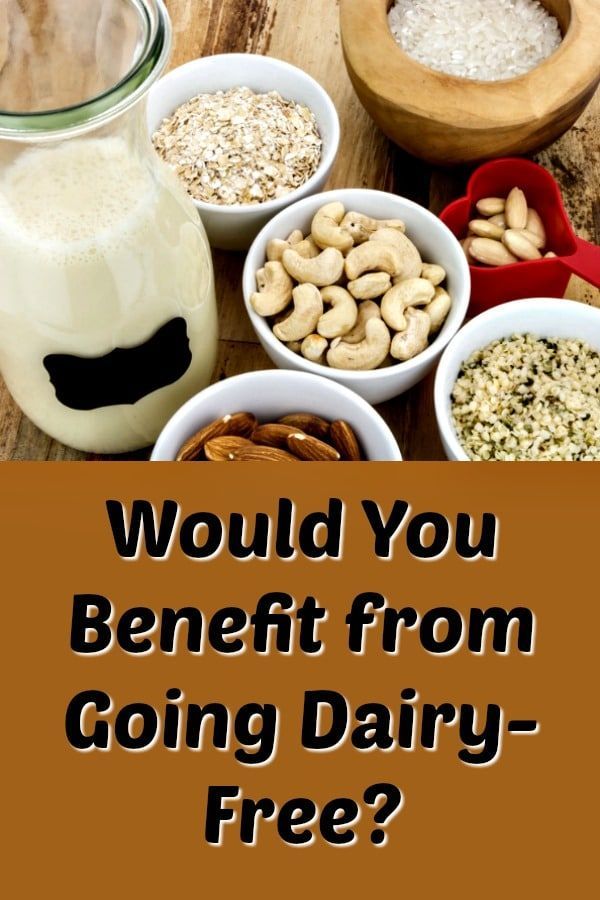
Fortunately there has been significant growth within the market for alternative dairy products made from plant-based ingredients such as soybeans, almonds,oats,rice,hemp,and coconut . These include non-dairy milks like soy milk which have similar consistency as cow’s milk making them easy substitutes in recipes.They also come in different flavors such as vanilla,chocolate etc., catering to personal taste preferences. Non-dairy yogurts and cheeses are also available in many stores, offering a wide variety of options for those who enjoy these products.
When transitioning to a dairy-free diet, it’s important to be mindful of hidden sources of dairy in processed foods. Many packaged products contain milk or milk derivatives as ingredients, even if their labels don’t explicitly state “dairy.” Learning to read ingredient lists thoroughly can help avoid accidental consumption of dairy.
If you’re considering adopting a dairy-free diet, it may be helpful to consult with a registered dietitian or nutritionist who can provide guidance and ensure that your dietary choices meet your nutritional needs. They can help develop meal plans that optimize nutrient intake while avoiding potential deficiencies.
In conclusion, dairy-free diets have gained popularity due to various reasons such as addressing lactose intolerance or cow’s milk allergies, improving digestive health, and promoting overall well-being. While eliminating dairy from one’s diet requires careful planning to ensure adequate nutrient intake—particularly calcium,vitamin D,and vitamin B12—it is entirely possible to maintain a healthy and balanced eating pattern by relying on alternative sources found within plant-based food groups and fortified products.

Leave a Reply