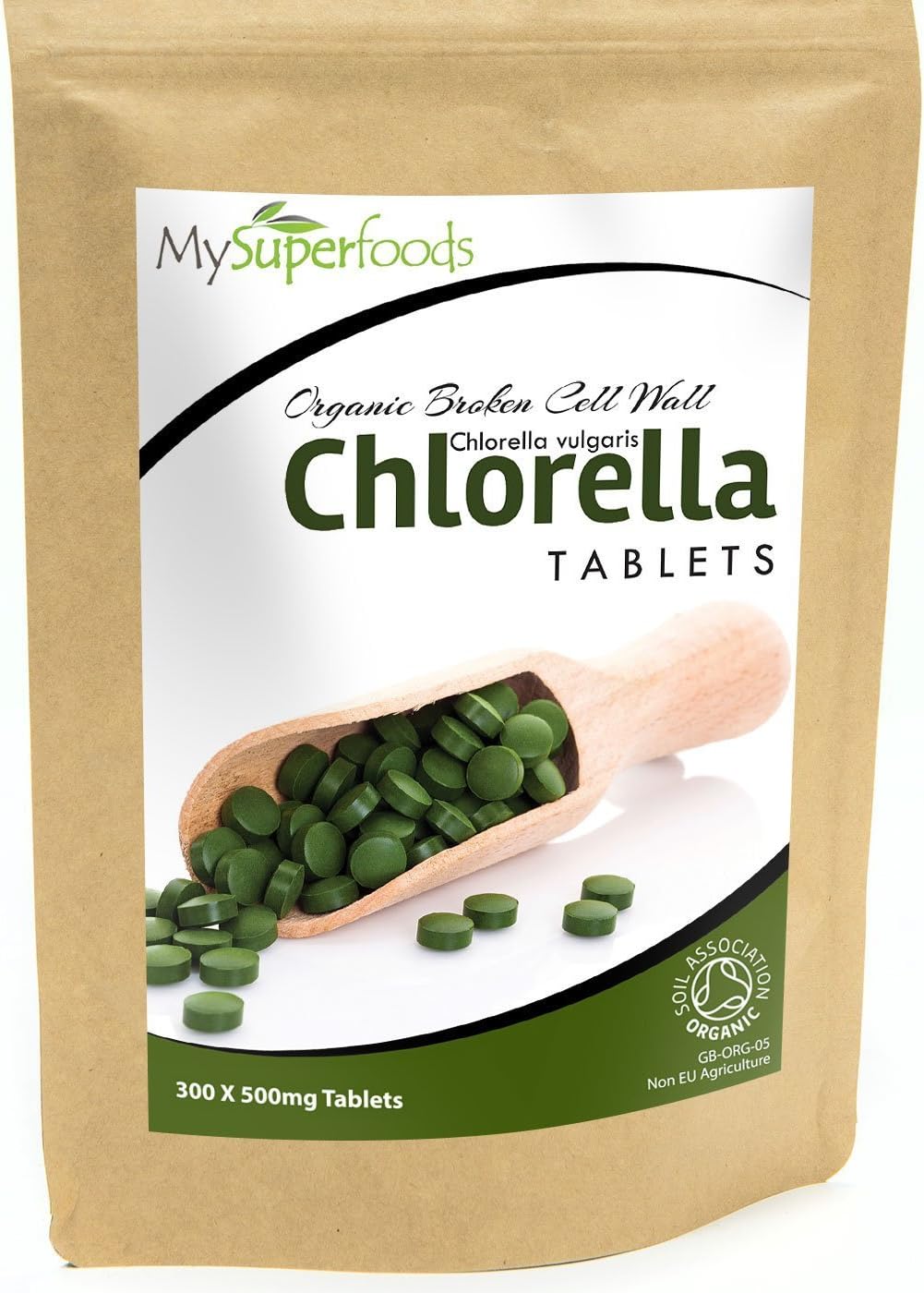
Chlorella: A Powerful Ally for Liver Health
The liver is a vital organ responsible for detoxification, hormone production, and nutrient metabolism. With the increasing prevalence of environmental toxins, processed foods, and alcohol consumption, it’s crucial to support our liver’s health. One natural supplement that has gained recognition for its potential in promoting liver health is chlorella.
Chlorella is a single-celled freshwater algae that contains an impressive array of nutrients such as vitamins, minerals, antioxidants, and essential fatty acids. Its deep green color comes from chlorophyll—a potent detoxifier known for its ability to bind to heavy metals and pollutants in the body.
One of the primary reasons why chlorella is beneficial for liver health is its ability to aid in detoxification. The liver plays a central role in filtering out harmful substances from our bloodstream. Chlorella acts as a natural cleanser by binding to toxins like mercury, lead, or arsenic and helping their elimination through bowel movements.
Moreover, chlorella contains high levels of antioxidants like vitamin C and beta-carotene that protect the liver against oxidative stress caused by free radicals. These harmful molecules can damage liver cells over time if not neutralized promptly. By consuming chlorella regularly as part of a balanced diet or through supplementation, we can boost our antioxidant defenses and safeguard our liver’s health.
Additionally, research suggests that chlorella may have hepatoprotective properties. Studies have shown that this algae extract could help reduce inflammation within the liver tissue while enhancing its regenerative capacity. Furthermore, animal studies indicate that chlorella supplementation might prevent fatty infiltration in the liver—a condition often associated with obesity or excessive alcohol consumption.
Another notable benefit of chlorella lies in its potential cholesterol-lowering effects—an important factor when considering overall cardiovascular health along with supporting proper liver function. High cholesterol levels are commonly linked to non-alcoholic fatty liver disease (NAFLD), a condition that can progress to more severe liver damage if left untreated. Chlorella’s ability to decrease LDL cholesterol levels and increase HDL cholesterol may play a role in preventing or managing NAFLD.
When incorporating chlorella into your diet, it’s important to choose a reputable source that ensures high-quality standards and purity. Chlorella is commonly available in powder or tablet form, making it easy to include as part of smoothies, juices, or salads. However, as with any supplement or dietary change, it is advisable to consult with a healthcare professional before starting regular consumption.
In conclusion, chlorella offers valuable support for maintaining optimal liver health due to its detoxifying properties, antioxidant content, potential hepatoprotective effects, and cholesterol-lowering abilities. By incorporating this nutrient-dense algae into our diet alongside adopting a healthy lifestyle overall, we can take proactive steps towards ensuring the well-being of our liver—a crucial organ essential for overall vitality and longevity.

Leave a Reply