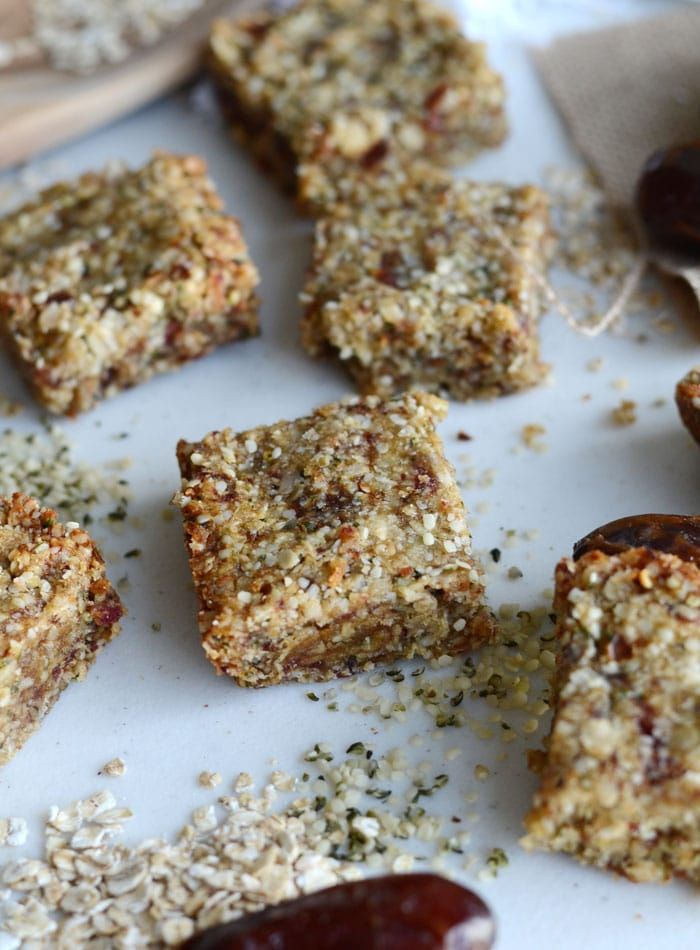
Vegan Hemp Seed Options: A Complete Guide to Incorporating Hemp Seeds into a Plant-Based Diet
When it comes to plant-based diets, finding alternative sources of essential nutrients becomes crucial. One such nutrient that often poses a challenge for vegans is omega-3 fatty acids. However, the solution lies in the tiny yet mighty hemp seed! Packed with protein, healthy fats, and an array of vitamins and minerals, hemp seeds are a fantastic addition to any vegan diet. In this comprehensive guide, we will explore various ways you can incorporate vegan hemp seed options into your everyday meals.
1. What are Hemp Seeds?
Hemp seeds come from the Cannabis sativa plant and have been used for centuries due to their numerous health benefits. While they belong to the same family as marijuana (Cannabis indica), hemp seeds do not contain THC—the psychoactive compound found in marijuana—making them safe and legal for consumption.
These small brownish seeds have a mild nutty flavor that pairs well with both sweet and savory dishes. They are incredibly versatile and can be enjoyed raw or roasted, whole or ground.
2. Nutritional Profile of Hemp Seeds
Hemp seeds offer an impressive nutritional profile that makes them an excellent choice for vegans looking to meet their dietary needs. Here’s a breakdown of what you can expect from just one ounce (28 grams) of hemp seeds:
– Protein: Approximately 9 grams
– Omega-3 Fatty Acids: Around 2 grams
– Omega-6 Fatty Acids: Roughly 7 grams
– Fiber: About 1 gram
– Vitamin E: Approximately 15% of the recommended daily intake (RDI)
– Magnesium: Around 45% of RDI
– Iron: Roughly 20% of RDI
– Zinc: Approximately 25% of RDI
Additionally, hemp seeds also provide smaller amounts of other essential nutrients like phosphorus, potassium, and folate.
3. Hemp Seeds as a Protein Source
Protein is an essential macronutrient that plays a vital role in muscle building and repair. While animal-based foods are typically rich in protein, vegans often need to find alternative sources. Luckily, hemp seeds are an excellent plant-based protein option!
With approximately 9 grams of protein per ounce (28 grams), hemp seeds provide all nine essential amino acids required for optimal health. This makes them a complete protein source—a rarity among plant-based foods.
4. Incorporating Hemp Seeds into Your Diet
Now that we understand the nutritional benefits of hemp seeds let’s explore some practical ways to incorporate them into your vegan diet:
a) Sprinkle on Salads: Add texture and flavor by sprinkling roasted or raw hemp seeds onto salads for an extra boost of nutrition.
b) Blend into Smoothies: Boost the nutrient content of your morning smoothie by adding a tablespoon or two of hemp seeds. They’ll add creaminess and help keep you feeling fuller for longer.
c) Make Homemade Hemp Milk: Similar to other milk alternatives, homemade hemp milk is simple to prepare. Soak 1 cup of hulled hemp seeds in water overnight, then blend with 3 cups of fresh water until smooth. Strain through cheesecloth or a nut-milk bag and enjoy!
d) Bake with Hemp Flour: For gluten-free baking enthusiasts, replace up to 25% of regular flour with hemp flour for added fiber and nutrients without compromising taste.
e) Create Nut-Free Pesto: Traditional pesto recipes call for pine nuts or walnuts which may not be suitable for those with allergies. Swap them out with hulled hemp seeds instead! Blend together fresh basil leaves, garlic cloves, olive oil, lemon juice, salt, pepper, and ¼ cup of hulled hemp seeds until creamy—voila!
f) Whip Up Some Hemp Hummus: Give your hummus a nutritious twist by adding a tablespoon or two of hemp seeds during blending. Enjoy it as a dip with raw veggies or spread it on sandwiches for added flavor.
5. Choosing the Right Hemp Seed Products
When purchasing hemp seed products, there are a few factors to consider:
a) Organic: Look for organic certified products to ensure they are grown without the use of synthetic pesticides or fertilizers.
b) Shelled vs. Unshelled: While both options offer similar nutritional benefits, shelled hemp seeds (also known as hulled hemp hearts) are more convenient and easier to incorporate into recipes.
c) Storage: Due to their high fat content, hemp seeds can turn rancid if not stored properly. To maintain freshness, store them in an airtight container in the refrigerator or freezer.
6. Potential Health Benefits of Hemp Seeds
In addition to being nutrient-dense, preliminary research suggests that incorporating hemp seeds into your diet may have several potential health benefits:
a) Heart Health: The omega-3 fatty acids found in hemp seeds may help reduce inflammation and promote cardiovascular health.
b) Digestive Health: The fiber content in hemp seeds supports healthy digestion and can prevent constipation.
c) Skin Health: The vitamin E present in these tiny wonders has antioxidant properties that support healthy skin by protecting against oxidative damage caused by free radicals.
d) Hormonal Balance: Hemp seeds contain gamma-linolenic acid (GLA), an omega-6 fatty acid that may help regulate hormones and alleviate symptoms associated with PMS and menopause.
e) Muscle Recovery: Thanks to their protein content and amino acid profile, incorporating hemp seeds into post-workout meals can aid muscle recovery and growth.
7. Conclusion
Veganism doesn’t mean compromising on essential nutrients; instead, it invites exploration of plant-based alternatives like versatile and nutritious hemp seeds. With their high protein content, healthy fats, and abundance of vitamins and minerals, hemp seeds are an excellent addition to any vegan diet. By incorporating them into various recipes, you can enjoy their nutty flavor while reaping the numerous health benefits they offer. So go ahead, embrace the power of hemp seeds and elevate your plant-based meals!

Leave a Reply