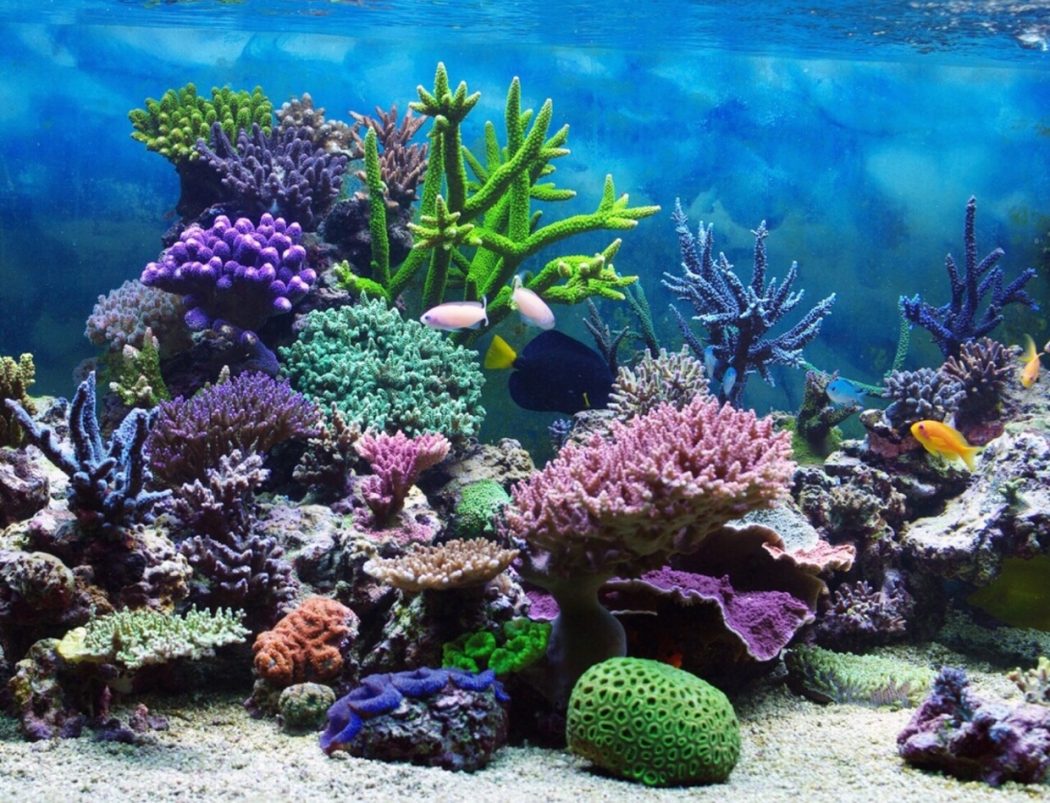
Coral Reefs: A Vital Ecosystem for Healthy Eating
When we think of healthy eating, our minds often turn to fruits, vegetables, and lean proteins. However, there is another crucial aspect of healthy eating that might not immediately come to mind: coral reefs. These magnificent underwater ecosystems play a vital role in maintaining the balance of marine life and providing nutritious food sources for millions of people around the world.
Coral reefs are primarily found in tropical and subtropical waters, forming intricate structures made up of thousands of tiny organisms called polyps. These polyps secrete calcium carbonate skeletons that create the reef’s hard structure. While they may seem like static formations, coral reefs are actually teeming with life and biodiversity.
One significant benefit of coral reefs is their contribution to the global fish supply. According to studies by the Food and Agriculture Organization (FAO), nearly one billion people rely on seafood as their primary source of protein. Coral reefs provide a habitat for an estimated 25% of all marine species, including various types of fish like grouper, snapper, tuna, and parrotfish – all essential components of a healthy diet.
Moreover, coral reefs act as nurseries for many commercially important fish species. The nooks and crannies within the reef formation offer shelter from predators during vulnerable stages in these fishes’ lives. As they grow and mature within this protected environment, they eventually venture out into open waters where they can be sustainably harvested by fishermen.
In addition to being rich sources of protein-rich seafood, coral reefs also support other valuable food resources such as shellfish and seaweed. Mollusks like clams and oysters thrive in these nutrient-rich environments while providing essential vitamins and minerals like zinc, iron, selenium, and omega-3 fatty acids when consumed.
Furthermore

Leave a Reply