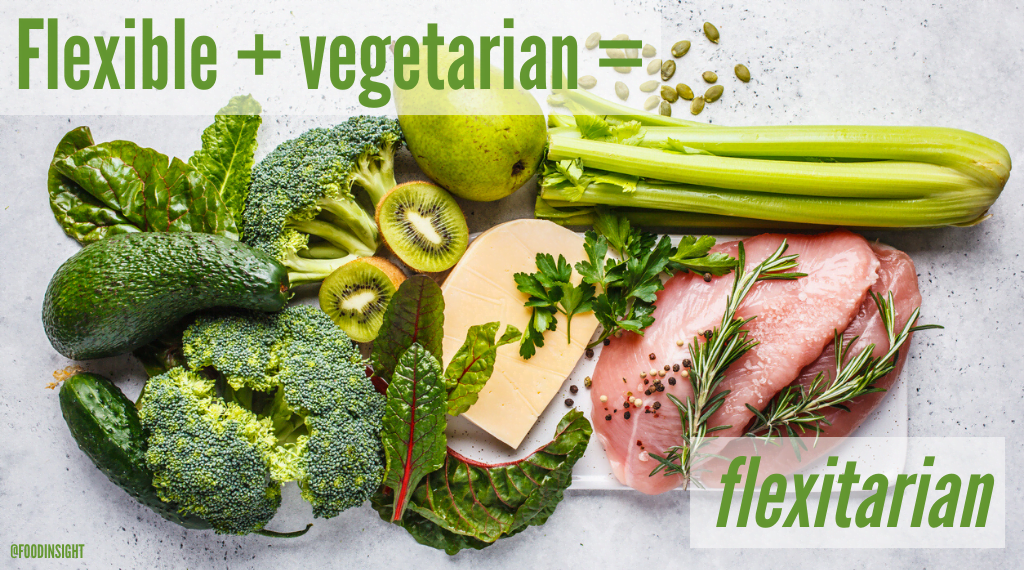
Flexitarianism and Its Potential Benefits for Weight Loss
Introduction:
In recent years, flexitarianism has gained popularity as a flexible and sustainable approach to eating. Flexitarians primarily follow a plant-based diet while occasionally incorporating meat and animal products. This dietary pattern offers numerous benefits, including weight loss potential. In this article, we will explore how adopting a flexitarian lifestyle can aid in weight management.
Understanding Flexitarianism:
Flexitarians prioritize plant-based foods such as fruits, vegetables, whole grains, legumes, nuts, and seeds but allow for occasional consumption of animal products like meat, poultry, fish, dairy, and eggs. The flexibility of this approach makes it appealing to individuals with various dietary preferences or restrictions.
Weight Loss Potential:
1. Reduced Caloric Intake: Plant-based foods are generally lower in calories compared to animal products. By focusing on these foods more often than not, flexitarians naturally reduce their overall caloric intake.
2. Increased Fiber Intake: Plant-based diets are rich in fiber which promotes satiety and helps control hunger levels. A higher-fiber diet can lead to reduced calorie consumption.
3. Lower Fat Content: Animal products tend to be higher in fat content compared to plant-based alternatives. By opting for leaner protein sources like beans or tofu instead of fatty meats or cheeses more frequently, flexitarians consume less saturated fat.
4. Balanced Macronutrient Profile: A well-planned flexitarian diet provides a good balance of carbohydrates from whole grains and fruits/vegetables along with proteins from both plants and animals (in moderation). This balanced macronutrient profile helps stabilize blood sugar levels and supports healthy weight management.
Meal Planning Tips for Weight Loss:
1. Focus on Whole Foods: Emphasize minimally processed whole grains (brown rice or quinoa), lean proteins (tofu or tempeh), fresh fruits/vegetables (spinach or berries), and legumes (chickpeas or lentils) in your meal plans.
2. Portion Control: Be mindful of portion sizes, especially when incorporating animal products. Aim to fill half your plate with vegetables, a quarter with lean protein, and the remaining quarter with whole grains.
3. Plan Ahead: Prepare meals and snacks in advance to avoid impulsive food choices. This way, you can ensure that your meals are balanced and aligned with your weight loss goals.
4. Experiment with New Recipes: Explore creative plant-based recipes to diversify your diet and keep meals interesting.
Sample Flexitarian Meal Plan for Weight Loss:
Here’s a sample one-day meal plan that incorporates the principles of flexitarianism for weight loss:
Breakfast:
– Overnight oats made with rolled oats, almond milk, chia seeds, and topped with mixed berries
– A side of scrambled eggs or tofu scramble
Snack:
– A handful of nuts (almonds or walnuts)
– Sliced cucumber sticks dipped in hummus
Lunch:
– Quinoa salad packed with colorful veggies like roasted sweet potatoes, cherry tomatoes, bell peppers, spinach leaves dressed in a lemon-tahini dressing
– Grilled chicken breast slices or baked tempeh strips on top
Snack:
– Apple slices sprinkled with cinnamon
– Greek yogurt or coconut yogurt
Dinner:
– Stir-fried tofu/tempeh/soy crumbles with mixed vegetables (broccoli, carrots, snap peas) served over brown rice
– Side salad drizzled with balsamic vinaigrette
Dessert:
– Dark chocolate squares paired with fresh strawberries
Conclusion:
Adopting a flexitarian approach can offer numerous benefits beyond just weight management. By predominantly focusing on plant-based foods while allowing flexibility for occasional meat consumption, individuals can enjoy a sustainable dietary pattern that supports their health goals. The key lies in meal planning, portion control, and incorporating a variety of nutrient-dense foods. Remember to consult with a healthcare professional or registered dietitian for personalized advice before making any significant dietary changes.

Leave a Reply