Prebiotics and Mental Health: Exploring the Connection
Maintaining good mental health is a priority for many people, and there are various factors that can influence our emotional well-being. While most of us are familiar with the impact of diet on physical health, not everyone realizes that what we eat also plays a crucial role in maintaining optimal mental health. In recent years, scientific research has shed light on the connection between gut health and mental well-being, highlighting the importance of prebiotics in promoting better mental health. In this article, we will explore what prebiotics are, how they affect our gut microbiome, and their potential benefits for mental health.
Understanding Prebiotics:
To understand how prebiotics contribute to our overall well-being, it’s essential first to understand what they are. Prebiotics are types of dietary fiber that cannot be digested by humans but serve as food for beneficial bacteria in our gut known as probiotics. Unlike probiotics (live bacteria), prebiotics act as nourishment for these beneficial microbes.
Common sources of prebiotic fibers include fruits (such as bananas and apples), vegetables (like onions and garlic), legumes (including chickpeas and lentils), whole grains (such as oats and barley), nuts (like almonds and walnuts), and seeds (including flaxseeds). By incorporating these foods into our diets regularly, we can ensure an adequate intake of prebiotic fibers.
The Gut-Brain Axis:
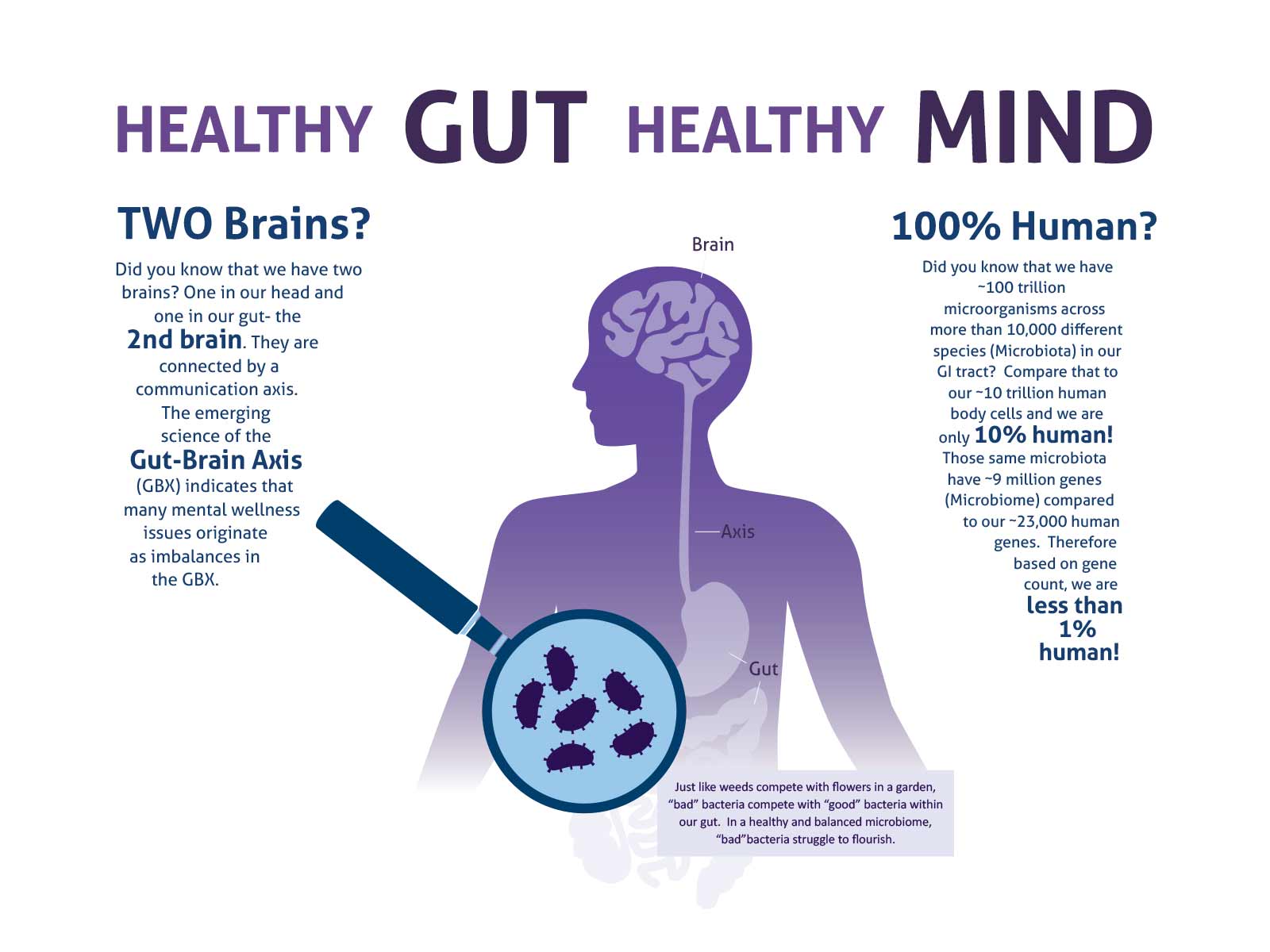
The gut-brain axis refers to the bidirectional communication pathway between our gastrointestinal tract (the gut) and our central nervous system (the brain). This intricate network involves numerous signals sent through neural connections, immune molecules, hormones, neurotransmitters such as serotonin (“the happiness hormone”), along with other pathways.
Research has shown that disturbances in the balance of microorganisms within the gut – collectively known as dysbiosis – may have significant implications on mental health. Factors such as stress, poor diet, and the use of antibiotics can disrupt this delicate balance and impact our overall well-being.
How Prebiotics Influence Mental Health:
Prebiotic fibers are not directly responsible for improving mental health; rather, they indirectly promote it by nourishing the beneficial bacteria in our gut. By doing so, prebiotics help create an environment conducive to a diverse and balanced gut microbiome.
A healthy gut microbiome is associated with various benefits for mental health. For instance, studies have shown that individuals with depression tend to have lower levels of certain beneficial bacteria compared to those without depression. Increasingly, researchers are finding evidence suggesting that optimizing the gut microbiota can positively influence mood and reduce symptoms of anxiety and depression.
One way through which prebiotics may impact mental health is by modulating the production of neurotransmitters. Serotonin, a neurotransmitter commonly associated with feelings of happiness and well-being, is predominantly produced in the gastrointestinal tract. The presence of a diverse range of beneficial bacteria nurtured by prebiotic fiber consumption contributes to serotonin production, thus potentially promoting better mood regulation.
Furthermore, prebiotic intake has been linked to decreased levels of cortisol – commonly known as “the stress hormone.” High cortisol levels over prolonged periods can lead to chronic inflammation and impairments in brain function. By reducing cortisol levels through a healthier gut environment fostered by prebiotics, we may experience reduced stress responses and improved cognitive function.
Research Supporting the Connection:
While further investigation is needed to fully understand how prebiotics affect mental health outcomes, several studies have provided promising insights into this relationship.
In one study published in 2017 in the journal Brain Behavior Immunity , researchers found that participants who consumed a prebiotic-rich diet experienced reduced attentional biases towards negative stimuli compared to those who received a placebo. This suggests that dietary interventions involving prebiotics could potentially improve emotional processing.
Another study published in the journal Psychopharmacology in 2016 examined the effects of prebiotics on stress and anxiety levels. The findings indicated that participants who consumed a diet rich in prebiotics had lower cortisol responses to stress compared to those on a control diet, suggesting that prebiotic intake may help regulate our response to stressful situations.
Practical Tips for Incorporating Prebiotics Into Your Diet:
If you’re interested in harnessing the potential benefits of prebiotics for your mental health, there are several practical steps you can take:
1. Increase your intake of fiber-rich foods: Include more fruits, vegetables, legumes, whole grains, nuts, and seeds in your daily meals.
2. Consume fermented foods: Foods like yogurt, sauerkraut, kimchi, and kefir contain live bacteria (probiotics) that work hand-in-hand with prebiotics to support gut health.
3. Experiment with new recipes: Explore different culinary techniques and recipes that incorporate prebiotic-rich ingredients.
4. Be consistent: Aim for regular consumption of prebiotic foods rather than occasional indulgence.
It’s important to note that dietary changes alone might not be sufficient for managing serious mental health conditions such as depression or anxiety disorders. If you’re experiencing severe symptoms or have concerns about your mental well-being, it’s crucial to seek professional medical advice.
In Conclusion:
The emerging field of research surrounding the gut-brain axis highlights the significant role our gut microbiota plays in maintaining optimal mental health. While further studies are needed to fully understand the mechanisms involved, evidence suggests that consuming a diet rich in prebiotic fibers can positively impact our mood regulation and stress response.
By nourishing beneficial bacteria within our gut through increased consumption of prebiotic-rich foods like fruits, vegetables, legumes, whole grains,nuts,and seeds , we can potentially support better mental well-being alongside other lifestyle factors such as regular exercise, sufficient sleep, and stress management techniques. Remember, a healthy gut is a happy gut!

Leave a Reply