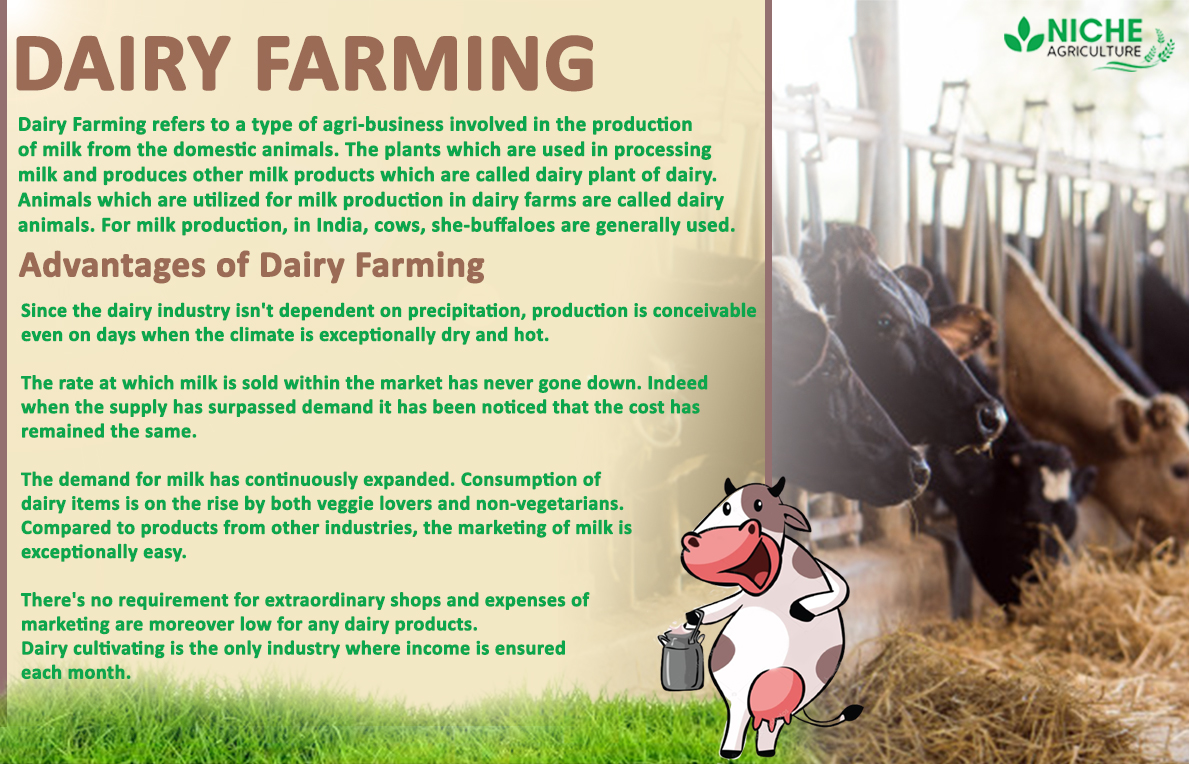
The Impact of Dairy Consumption on the Environment
Dairy consumption has long been a staple in many people’s diets, but what often goes unnoticed is the significant environmental impact that comes with it. From land and water usage to greenhouse gas emissions, the dairy industry plays a major role in contributing to climate change and environmental degradation.
One of the key issues surrounding dairy production is the large amount of land required for cattle grazing and growing feed crops. According to a study published in the journal Science, livestock farming uses about 80% of global agricultural land while providing only 18% of our calories. This inefficient use of resources puts immense pressure on ecosystems and contributes to deforestation as more forests are cleared to make way for pastureland and feed crops.
In addition to land usage, dairy farming also has substantial water requirements. Cows need access to fresh water for drinking, cooling, and cleaning purposes. Furthermore, producing one liter of milk requires an average of 1,000 liters (265 gallons) of water – that’s equivalent to taking multiple showers or leaving your tap running for hours! With dwindling freshwater sources around the world, this level of water consumption is simply unsustainable.
Moreover, dairy production is responsible for significant greenhouse gas emissions. Cows release methane during digestion and manure management practices contribute further to these emissions. Methane is a potent greenhouse gas that has a much greater warming effect than carbon dioxide over shorter time periods. The Intergovernmental Panel on Climate Change (IPCC) estimates that livestock agriculture accounts for about 14-18% of total global greenhouse gas emissions – more than all transportation combined!
To put it into perspective: switching from a meat-heavy diet to a plant-based diet could reduce an individual’s carbon footprint by up to 73%. While this includes both meat and dairy products, cutting down on dairy consumption can have a profound impact on reducing one’s personal environmental footprint.
Considering these alarming facts, it’s clear that reducing dairy consumption is crucial for environmental sustainability. But what alternatives are available to those who still want to enjoy the creamy goodness of milk and cheese?
Plant-Based Protein Sources for Athletes
Athletes often have higher protein requirements due to their increased physical activity levels and muscle-building goals. However, the common misconception that animal-based proteins are superior for athletic performance is misleading. Plant-based protein sources can provide all the essential amino acids necessary for muscle growth and recovery while offering additional health benefits.
Legumes such as lentils, chickpeas, and black beans are excellent sources of plant-based protein. They also contain fiber, vitamins, minerals, and antioxidants that support overall health. Quinoa is another complete protein source rich in essential amino acids and provides a good dose of carbohydrates for energy.
Nuts and seeds like almonds, chia seeds, hemp seeds, and pumpkin seeds offer not only protein but also healthy fats which provide sustained energy during workouts. These foods can be incorporated into smoothies or added as toppings to salads or oatmeal.
Soy products like tofu, tempeh, edamame (young soybeans), and soy milk are popular choices among athletes due to their high protein content. Soybeans are unique among legumes as they contain all nine essential amino acids needed by the body.
Seitan is made from gluten – the main protein found in wheat – making it an excellent choice for those looking to increase their protein intake without consuming soy or other legumes.
Furthermore, there’s a growing market of plant-based protein powders made from pea protein isolate or brown rice protein that can easily be mixed into shakes or used in baking recipes.
Fermented Vegetarian Foods and Their Health Benefits
Fermentation has been used for centuries as a way to preserve food while enhancing its flavor profile. Fermented vegetarian foods offer numerous health benefits beyond their delicious taste.
One prime example is sauerkraut, which is made by fermenting cabbage. During the fermentation process, beneficial bacteria convert the natural sugars in cabbage into lactic acid. This not only gives sauerkraut its tangy flavor but also increases its nutritional value. Sauerkraut is rich in probiotics – live microorganisms that promote a healthy gut microbiome and support digestion.
Kimchi, a Korean fermented vegetable dish similar to sauerkraut, offers similar benefits. It typically includes ingredients such as napa cabbage, radishes, garlic, ginger, and chili peppers. Kimchi has been linked to improved immune function and reduced inflammation due to its high levels of antioxidants and probiotics.
Another popular fermented food is tempeh – a traditional Indonesian soy product made from fermented soybeans. Tempeh not only provides protein but also contains vitamin B12 (a nutrient often lacking in vegetarian diets) produced during the fermentation process by certain bacteria present in it.
Yogurt made from plant-based milk alternatives like almond milk or coconut milk can be another excellent source of probiotics for vegetarians looking to incorporate more fermented foods into their diet.
The Role of Omega-3 Fatty Acids in a Vegetarian Diet
Omega-3 fatty acids are essential fats that play a crucial role in maintaining optimal health. They are particularly important for brain function, heart health, reducing inflammation, and supporting overall well-being. While fish is commonly associated with omega-3s due to its high content of these fatty acids, vegetarian sources can also provide an adequate supply.
Flaxseeds are one of the best plant-based sources of omega-3s. They contain alpha-linolenic acid (ALA), a type of omega-3 fat that can be converted by the body into other forms like eicosapentaenoic acid (EPA) and docosahexaenoic acid (DHA). Ground flaxseeds can be easily added to smoothies, oatmeal, or baked goods.
Chia seeds are another excellent source of ALA and offer the added benefit of providing fiber and antioxidants. Including a tablespoon of chia seeds in your daily diet can help boost your omega-3 intake.
Walnuts are unique among nuts as they contain a significant amount of ALA. A handful of walnuts makes for a nutritious snack and provides an omega-3 boost.
Seaweed is also worth mentioning as it contains EPA and DHA directly, making it an ideal choice for vegetarians looking to increase their intake without relying solely on plant-based sources that require conversion by the body. Incorporating seaweed into meals like salads, sushi rolls, or soups can help diversify your omega-3 intake.
While these vegetarian sources may not provide as high levels of EPA and DHA as fatty fish do, including them in a well-rounded diet along with other healthful practices like regular exercise can help meet the recommended daily allowance for omega-3s.
Vegetarian Options for Pregnant Women
Pregnancy is a period when proper nutrition becomes even more critical to support both maternal health and fetal development. Vegetarian women who choose to continue their plant-based diets during pregnancy can ensure adequate nutrition by paying attention to key nutrients such as protein, iron, calcium, zinc, vitamin B12, vitamin D, folate (folic acid), iodine, and omega-3 fatty acids.
Protein needs increase during pregnancy due to the growth of maternal tissues and the developing fetus. Plant-based protein sources like legumes (beans, lentils), tofu/tempeh (fermented soy products), quinoa (a grain-like seed with complete proteins), nuts/seeds (almonds/walnuts/chia/flax) should be included in meals throughout the day.
Iron is essential during pregnancy as it helps transport oxygen to both the mother and the developing baby. While iron from plant-based sources (non-heme iron) is not absorbed as efficiently as iron from animal products (heme iron), it can still meet the requirements when consumed in adequate amounts. Foods like beans, lentils, tofu, tempeh, fortified breakfast cereals, spinach, and dried fruits like apricots or prunes are good vegetarian sources of iron.
Calcium is crucial for bone development in the fetus and maintaining maternal bone health. Dairy products are commonly associated with calcium intake; however, vegetarians have several plant-based options such as fortified plant milks (soy/almond/oat), tofu made with calcium sulfate, calcium-set tofu or tempeh prepared with seaweed-derived calcium salts.
Zinc plays a role in cell growth and immune function. Plant-based sources include legumes/beans (chickpeas/lentils), whole grains (quinoa/brown rice/wheat germ), nuts/seeds/nut butters (pumpkin seeds/sesame tahini), and zinc-fortified cereals.
Vitamin B12 is essential for neurological development of the fetus. Vegetarians should ensure they consume vitamin B12 through fortified foods like plant milk alternatives or take a supplement to avoid deficiency during pregnancy.
Vitamin D aids in calcium absorption and supports bone health for both mother and baby. Sunlight exposure helps our bodies produce vitamin D naturally; however, depending on location or climate conditions, supplementation may be necessary during pregnancy.
Folate/folic acid prevents neural tube defects in early fetal development. Pregnant women should consume folate-rich foods like dark leafy greens (spinach/kale/collard greens), citrus fruits/juices or enriched grain products fortified with folic acid.
Iodine is critical for brain development of the growing fetus. It can be found naturally in iodized salt used during cooking/preparation or in seaweed products. However, it’s essential to ensure that iodine intake is within recommended daily limits.
Omega-3 fatty acids, particularly DHA, are important for fetal brain and eye development. Vegetarian sources of omega-3s like chia seeds, ground flaxseeds, walnuts, algae-based supplements can be incorporated into the diet.
With careful planning and a focus on nutrient-dense foods, pregnant women can maintain a healthy vegetarian diet while meeting the nutritional needs of both themselves and their growing baby.
Vegan Alternatives to Traditional Cheese
Cheese is often considered a staple in many diets due to its rich flavors and versatility in various dishes. However, for those following a vegan lifestyle or trying to reduce their dairy consumption, there are several plant-based alternatives available that mimic the taste and texture of traditional cheese.
One popular option is cashew cheese. Cashews have natural creaminess when blended with water or other ingredients like lemon juice or apple cider vinegar. This mixture can be cultured using probiotic capsules to create tangy flavors similar to fermented cheeses.
Nutritional yeast is another key ingredient used in vegan cheeses as it provides a cheesy flavor without any animal-derived components. It can be sprinkled onto dishes or incorporated into sauces for added depth of flavor.
Coconut milk also offers an excellent base for creamy vegan cheeses. By combining coconut milk with agar powder (a natural gelatin derived from seaweed), nutritional yeast, and spices/herbs of choice, one can create spreadable or sliceable plant-based cheese options.
Tofu can also be transformed into a versatile cheese substitute with different textures depending on how it’s prepared – firm tofu works well as feta-like crumbles while silken tofu gives creaminess similar to ricotta or soft goat cheese.
Another creative alternative is using vegetables like potatoes/carrots/cashews blended together with seasonings such as garlic/onion powder, smoked paprika, or miso paste. This mixture can be processed to create a spreadable cheese-like consistency.
Finally, the market for commercial vegan cheeses has expanded greatly in recent years. Many companies now offer plant-based versions of classic cheese varieties like cheddar, mozzarella, and even blue cheese. These options are often made from ingredients such as nuts (almonds/cashews), soy protein isolates, or coconut oil.
While these alternatives may not taste exactly like their dairy counterparts, they provide a satisfying substitute that can be enjoyed by vegans and individuals with lactose intolerance alike.
The Benefits of Incorporating Seaweed into a Vegetarian Diet
Seaweed is an edible marine algae that has been consumed for centuries in various cultures around the world. It offers numerous health benefits and can be easily incorporated into a vegetarian diet.
One significant advantage of seaweed is its high mineral content. It is rich in iodine – an essential nutrient required for proper thyroid function and metabolism regulation. Iodine deficiency can lead to thyroid disorders and affect cognitive development in children. Including seaweed regularly in your meals can help ensure sufficient iodine intake without relying solely on fortified salt or supplements.
In addition to iodine, seaweed contains other minerals such as calcium, magnesium, iron, zinc, copper, selenium which are crucial for maintaining overall health and supporting various bodily functions.
Seaweeds are also packed with vitamins including vitamin A (in the form of beta-carotene), vitamin C (a potent antioxidant), vitamin E (important for skin health), and several B vitamins that contribute to energy production and nerve function.
Moreover, seaweeds offer unique bioactive compounds not found commonly in land plants. For example:
– Fucoxanthin: A carotenoid pigment found predominantly in brown seaweeds like kelp or wakame that exhibits strong antioxidant effects.
– Fucoidan: A sulfated polysaccharide found in brown seaweeds known for its potential anti-inflammatory, antiviral, and anticancer properties.
– Alginate: A type of dietary fiber present in many types of seaweed that can help promote feelings of fullness and support digestive health.
Seaweed is also a source of omega-3 fatty acids, particularly DHA (docosahexaenoic acid), which is vital for brain function and eye health. Vegetarians often rely on plant-based sources like flaxseeds or chia seeds for omega-3s; however, these sources provide only ALA (alpha-linolenic acid) which needs to be converted by the body into DHA – a process that isn’t very efficient. Consuming seaweed can offer a direct supply of this essential fatty acid.
There are several ways to incorporate seaweed into your vegetarian diet. It can be used as an ingredient in soups, stews, stir-fries, salads, sushi rolls (nori sheets), or even blended into smoothies for added nutritional benefits. Many specialized stores now offer various forms of dried seaweed products – from whole leaves to flakes or powders – making it easier than ever to include this nutrient-dense food in your everyday meals.
The Importance of Vitamin B12 Supplementation for Vegetarians
Vitamin B12 plays a crucial role in the formation of red blood cells and maintaining proper neurological function. It’s primarily found naturally in animal-derived foods like meat, fish, eggs, and dairy products. For vegetarians who avoid these animal products altogether or consume them sparingly, vitamin B12 supplementation becomes essential to prevent deficiency-related health issues.
Unlike other vitamins that are produced by plants or animals themselves during metabolic processes and can thus be obtained through diet alone if consumed adequately varied diets with wholesome foods – such as fruits/vegetables/grains/nuts/seeds/legumes – vitamin B12 is produced only by certain microorganisms found in soil or the digestive tracts of animals.
Historically, humans obtained adequate amounts of B12 through the consumption of unwashed plant foods that still retained some soil particles containing these microorganisms. However, due to modern hygiene practices and food processing methods, such as thorough washing and sterilization, our exposure to naturally occurring dietary B12 has significantly decreased.
Thus, it is highly recommended that vegetarians – particularly those following a vegan diet who abstain from all animal products – ensure sufficient vitamin B12 intake through fortified foods or supplements.
Fortified plant-based milks (soy/almond/oat), breakfast cereals, nutritional yeast are convenient options for obtaining supplementary vitamin B12. These products have been enriched with synthetic versions of this essential nutrient to meet the needs of individuals following vegetarian/vegan diets.
Vitamin B12 supplements are available in various forms such as tablets, sublingual (dissolvable) tablets, sprays or drops under the tongue, or even injections. The absorption efficiency varies among different supplement types; thus consulting with a healthcare professional can help determine which form best suits your individual needs.
It’s important to note that while some vegetarian sources like fermented soy products (tempeh/miso/natto) may contain trace amounts of inactive forms of vitamin B12 resulting from bacterial synthesis during their production process – these forms cannot be relied upon solely for meeting daily requirements as they are not bioavailable nor provide active forms like cyanocobalamin/methylcobalamin/adensylcobalamin/hydroxycobalamin required for human health maintenance.
Deficiency in vitamin B12 can lead to anemia (low red blood cell count), fatigue, weakness/dizziness/shortness-of-breath due to improper oxygen transport within the body. Neurological symptoms such as memory loss/foggy thinking/depression/numbness/tingling in extremities can also arise from B12 deficiency.
Vegetarians should be proactive about their vitamin B12 status by incorporating fortified foods or supplements into their diets to prevent potential health complications associated with inadequate intake. Regular blood tests can help monitor B12 levels and adjust supplementation accordingly.
Exploring Lesser-Known Grains and Their Nutritional Value
When it comes to grains, most people are familiar with staples like wheat, rice, oats, and corn. However, there is a wide variety of lesser-known grains that offer unique flavors, textures, and nutritional benefits. Incorporating these lesser-known grains into your diet can expand your culinary horizons while providing essential nutrients.
One such grain is quinoa – often called a “superfood” due to its high protein content and complete amino acid profile. Quinoa is naturally gluten-free and rich in fiber, magnesium, phosphorus, manganese, iron, zinc as well as vitamins B2 (riboflavin), E (tocopherols), A (beta-carotene).
Buckwheat is another nutritious grain-like seed that is gluten-free despite its name suggesting otherwise. It contains essential amino acids like lysine along with minerals such as magnesium and manganese. Buckwheat’s unique flavor makes it an excellent choice for pancakes or noodles.
Amaranth has been cultivated for thousands of years in Central America and offers impressive nutrient density. It’s high in protein – particularly the amino acid lysine – making it an ideal addition to vegetarian diets lacking this nutrient. Amaranth also provides calcium, iron, magnesium along with antioxidants like vitamin E.

Leave a Reply