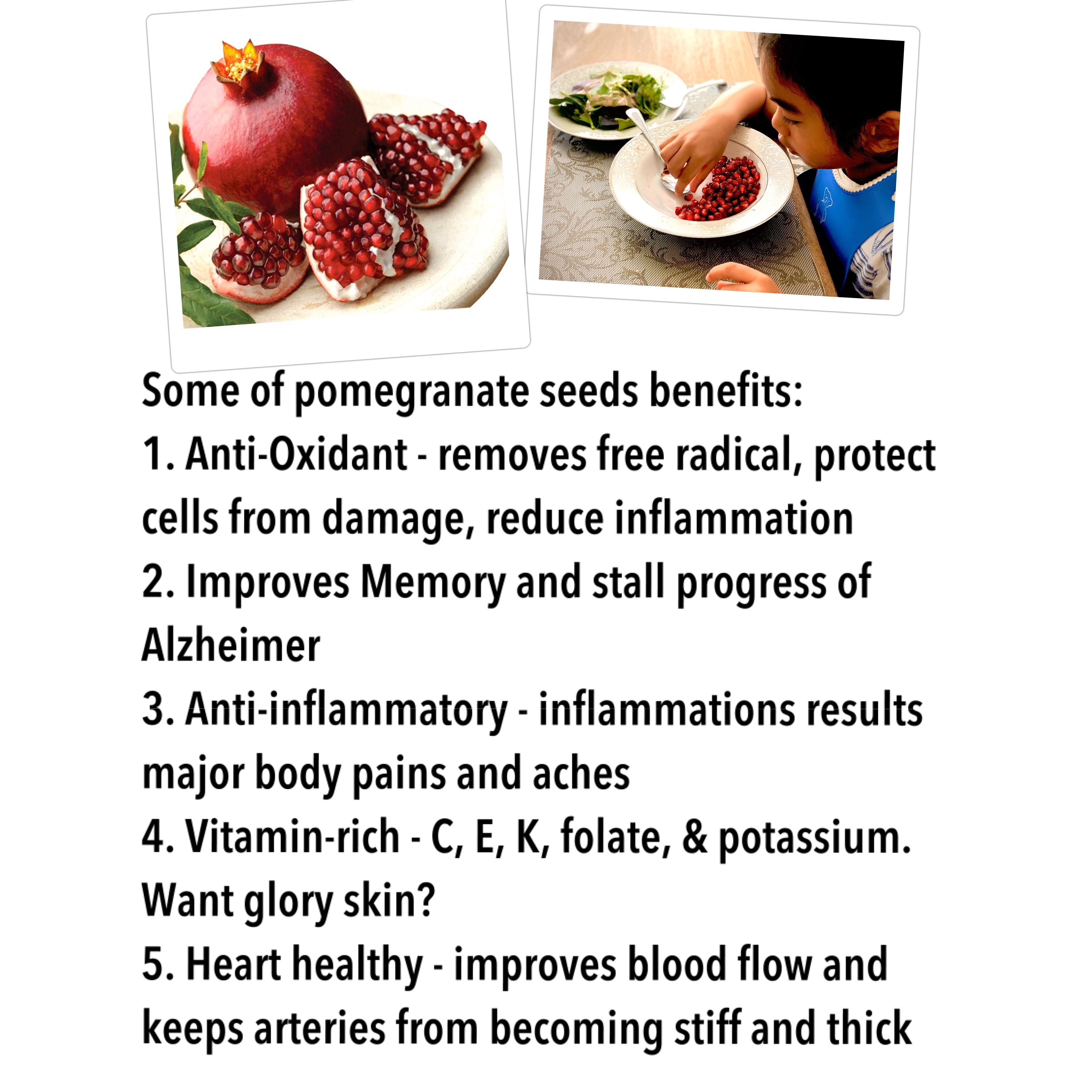
Pomegranates are not only delicious fruits but also packed with numerous health benefits. While most people are familiar with the juicy arils inside, the peel of a pomegranate is often overlooked. However, it has its own set of advantages. Pomegranate peel contains powerful antioxidants known as polyphenols, which can help protect against heart disease and cancer. Additionally, studies have shown that pomegranate peel extract may have anti-inflammatory properties and could potentially aid in reducing joint pain and arthritis symptoms.
When it comes to pomegranates, there is more than just one variety available. While the common varieties like Wonderful and Hicaz are well-known, lesser-known types such as Parfianka and Kazake offer unique flavors and characteristics. Parfianka is known for its sweet-tart taste and deep red color, making it perfect for eating fresh or juicing. On the other hand, Kazake has a milder flavor with hints of strawberry and raspberry, making it an excellent choice for desserts or even savory dishes.
Pomegranate leaf tea has been gaining popularity lately due to its potential health benefits. The leaves contain high levels of antioxidants that can boost your immune system and improve overall well-being. This herbal tea is believed to aid digestion, reduce inflammation in the body, promote healthy skin, and even lower blood pressure levels.
Another valuable byproduct of pomegranates is their seeds’ oil. Packed with essential fatty acids like linoleic acid and omega-5 fatty acid (punicic acid), pomegranate seed oil possesses potent antioxidant and anti-inflammatory properties when applied topically on the skin. It can help moisturize dry skin, reduce signs of aging like wrinkles or fine lines, soothe irritation caused by conditions such as eczema or psoriasis while promoting cell regeneration.
For those suffering from digestive issues such as bloating or indigestion, a glass of pomegranate juice may offer relief. Pomegranate juice acts as a natural digestive aid due to its high fiber content and enzymes that assist in breaking down food. It can also help stimulate the secretion of digestive enzymes, improving overall digestion.
Pomegranate molasses is a tangy and sweet syrup made from reduced pomegranate juice. This versatile ingredient adds depth and complexity to both sweet and savory dishes. It can be used as a glaze for roasted meats, dressing for salads, or even drizzled over desserts like ice cream or yogurt. Additionally, pomegranate molasses contains antioxidants and other beneficial compounds that contribute to good health.
Pomegranate vinegar offers similar health benefits as other types of vinegar but with an added touch of fruity flavor. It can be used in salad dressings, marinades, or even mixed into sparkling water for a refreshing beverage option. Packed with antioxidants and acetic acid (known for its antimicrobial properties), pomegranate vinegar may help regulate blood sugar levels, lower cholesterol levels, aid weight loss efforts, and promote healthy digestion.
The skincare industry has capitalized on the numerous benefits of pomegranates by creating various products using their extracts. Pomegranates are rich in vitamins C and E which help protect the skin against free radicals’ damage and boost collagen production necessary for maintaining youthful-looking skin. Look out for facial cleansers, moisturizers serums enriched with pomegranate extract to reap these skin-nourishing benefits.
While many people are familiar with drinking tea made from tea leaves or herbs like chamomile or green tea, fewer may know about the benefits of brewing tea from dried pomegranate flowers. Packed with antioxidants similar to those found in the fruit itself, this floral infusion promotes heart health by reducing inflammation in blood vessels while also possessing anti-inflammatory properties that can benefit arthritis sufferers and promote overall well-being.
If you’re looking for a natural alternative to commercial skincare products, consider using pomegranate rind powder. This finely ground powder can be used as an exfoliating scrub or mixed into face masks to remove dead skin cells, brighten the complexion, and reveal smoother, healthier-looking skin. Additionally, pomegranate rind powder contains antibacterial properties that can help fight acne-causing bacteria.
Pomegranate extract supplements are another way to reap the fruit’s health benefits conveniently. These supplements typically contain concentrated amounts of antioxidants and other beneficial compounds found in pomegranates. They may support heart health, boost immunity, aid digestion, and even have potential anti-cancer effects. However, it’s always best to consult with a healthcare professional before starting any new supplement regimen.
Pomegranates are not only delicious fruits but also play a crucial role in winemaking. The process involves extracting juice from the arils and fermenting it with yeast until it turns into wine through the natural fermentation process. This homemade wine-making yields a unique flavor profile that varies depending on the variety of pomegranates used and the fermentation technique employed.
While salads often consist of leafy greens or fresh vegetables as their base ingredients, adding pomegranate leaves can bring a distinct flavor twist to your salad creations. Packed with antioxidants and flavonoids like quercetin and kaempferol, these leaves offer potential cardiovascular benefits while adding depth of taste when tossed into salads alongside other ingredients like nuts or cheese.
Not only is every part of the pomegranate beneficial for our body’s well-being but even its root decoction holds promise in promoting better health. Traditional medicine suggests that consuming this decoction may help alleviate symptoms associated with diarrhea or dysentery due to its antimicrobial properties while providing relief from stomach pain caused by gastric issues such as ulcers or acidity.
When it comes to desserts, pomegranates are often used as a topping or garnish. However, there are many lesser-known pomegranate dessert recipes that truly highlight the fruit’s unique flavors and textures. From pomegranate mousse to pomegranate cheesecake bars, these desserts offer a delightful twist on traditional sweet treats.
For those looking to improve gut health, fermented pomegranates can be an excellent addition to your diet. Fermentation enhances the probiotic content of the fruit while adding tanginess and depth of flavor. By consuming fermented foods like pickled pomegranates regularly, you can introduce beneficial bacteria into your digestive system and support optimal gut health.
If you’re tired of store-bought syrups laden with artificial colors and flavors, consider making your own homemade pomegranate syrup. Simply simmer freshly squeezed pomegranate juice with sugar until it thickens into a syrupy consistency. This homemade syrup can be drizzled over pancakes, waffles, ice cream, or used as a natural sweetener in cocktails or mocktails for added flavor without any unnecessary additives.
Dried pomegranates make for a convenient and healthy snack option. These dehydrated fruits retain most of their nutritional value while offering a longer shelf life compared to fresh ones. Dried pomegranates can be enjoyed on their own as a quick energy boost or added to trail mixes or baked goods for an extra burst of sweetness and texture.
While we commonly associate pomegranates with sweet dishes like salads or desserts, they also have their place in savory cooking. Incorporating this versatile fruit into savory dishes adds complexity and balance by providing sweetness alongside other flavors like acidity from vinegar or richness from fatty meats such as duck breast or lamb shanks.
Finally, for those seeking refreshing ways to incorporate more variety into their smoothie repertoire, lesser-known combinations featuring pomegranates can do just that. Combining pomegranate with ingredients like ginger and turmeric adds a zingy, antioxidant-rich kick to your morning routine. Alternatively, blending pomegranate with tropical fruits like pineapple or mango creates a sweet and tangy smoothie bursting with flavors.
In conclusion, the benefits of pomegranates extend far beyond their delicious taste. From the peel to the root, every part of this fruit offers unique advantages for our health and well-being. Whether it’s incorporating them into our diet, skincare routine, or exploring creative recipes and combinations, pomegranates provide us with numerous opportunities to enhance our overall wellness while enjoying their wonderful flavors.

Leave a Reply