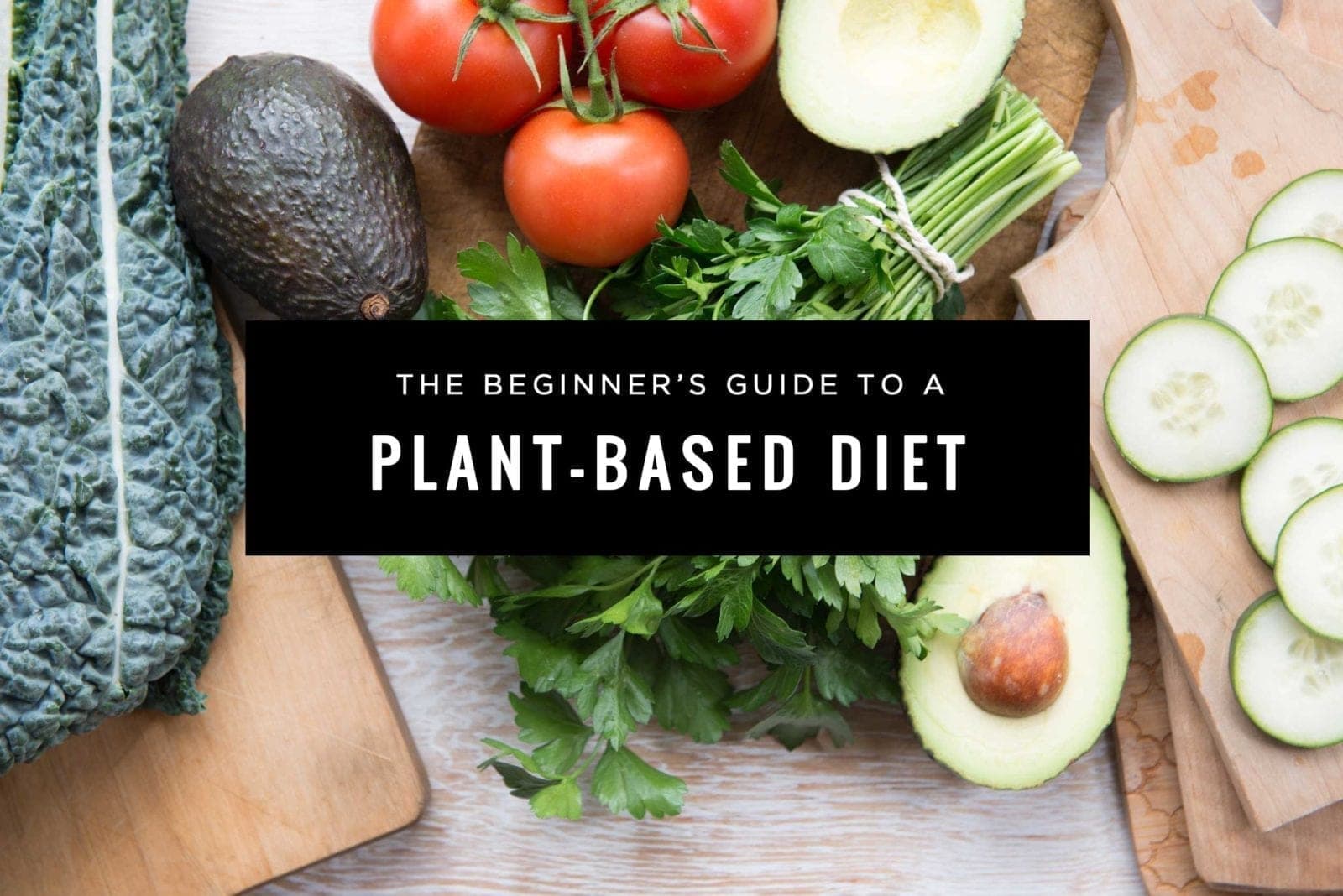
Plant-based diets have gained immense popularity in recent years, as more and more people are recognizing the numerous health benefits they offer. A plant-based diet emphasizes foods derived from plants such as fruits, vegetables, whole grains, legumes, nuts, and seeds while minimizing or eliminating animal products like meat, dairy, and eggs. Not only is a plant-based diet good for your overall well-being but it also has a positive impact on the environment.
If you’re considering adopting a plant-based diet or simply want to incorporate more plant-based meals into your routine, here are the top 10 reasons why it’s worth giving it a try:
1. Improved Heart Health: Plant-based diets have been linked to a reduced risk of heart disease. By eliminating or reducing animal products from your diet and focusing on nutrient-rich foods like fruits and vegetables that are low in saturated fat and cholesterol, you can lower your blood pressure and reduce the risk of heart-related conditions.
2. Weight Management: Plant-based diets tend to be lower in calories than traditional Western diets rich in processed foods and animal products. As a result, they can aid in maintaining a healthy weight or even support weight loss efforts if that is one of your goals.
3. Increased Fiber Intake: Plants provide ample amounts of dietary fiber which aids digestion and promotes bowel regularity. Whole grains, legumes, fruits, vegetables – all these contribute to higher fiber intake when following a plant-based diet.
4. Lower Risk of Chronic Diseases: Numerous studies have shown that consuming a predominantly plant-based diet can decrease the risk of developing chronic diseases such as type 2 diabetes, certain types of cancer (including colorectal cancer), and obesity-related conditions.
5. Enhanced Nutrient Intake: When following a balanced plant-based diet that includes an array of colorful fruits and vegetables along with whole grains and legumes, you’ll naturally consume abundant vitamins (such as vitamin C), minerals (like magnesium and potassium), antioxidants, and phytochemicals. These nutrients are essential for optimal health and can help protect against diseases.
6. Reduced Inflammation: Plant-based diets have anti-inflammatory properties due to their high fiber content, antioxidants, and other beneficial compounds found in plants. By reducing inflammation in the body, you may experience a decrease in chronic pain and lower the risk of inflammatory conditions like arthritis.
7. Environmental Sustainability: Choosing a plant-based diet is not only good for your health but also for the planet. Animal agriculture contributes significantly to greenhouse gas emissions, deforestation, water pollution, and depletion of natural resources. By opting for more plant-based meals, you can reduce your carbon footprint and support sustainable food production.
8. Gut Health Improvement: A well-rounded plant-based diet nourishes the gut microbiome with an abundance of fiber-rich foods that act as prebiotics – food for beneficial gut bacteria. This promotes a diverse microbiota composition associated with better digestion, improved immune function, mental health benefits, and reduced risk of gastrointestinal disorders.
9. Variety of Delicious Meals: Contrary to popular belief, adopting a plant-based lifestyle doesn’t mean giving up on taste or variety in your meals! There is an incredible range of delicious plant-based recipes available that showcase creative combinations of flavors using ingredients like lentils, chickpeas, quinoa, tofu or tempeh – just to name a few!
10. Ethical Considerations: For many people who choose to follow a plant-based diet or incorporate more plant-based meals into their routine , ethical reasons play a significant role as well — concerns about animal welfare or factory farming practices often drive this choice.
It’s important to note that transitioning to a fully plant-based diet does require some planning to ensure you’re meeting all your nutritional needs adequately:
– Educate yourself about balanced nutrition by consulting reputable sources (such as registered dietitians) or books focused on plant-based diets.
– Incorporate a variety of fruits, vegetables, whole grains, legumes, nuts, and seeds to ensure you’re getting a wide range of nutrients.
– Consider supplements such as vitamin B12 or omega-3 fatty acids if necessary. It’s important to monitor your nutrient levels regularly and consult with a healthcare professional if needed.
– Gradually transition into the new diet by starting with one or two meatless days per week and gradually increasing it over time.
Remember that adopting a plant-based diet is about progress, not perfection. Every step you take towards incorporating more plant-based foods into your meals brings you closer to reaping the health benefits associated with this lifestyle.
In conclusion, embracing a plant-based diet can have significant positive impacts on your health while also contributing to environmental sustainability. From improved heart health and weight management to lower risks of chronic disease and enhanced nutrient intake – there are countless reasons why adopting a predominantly plant-based lifestyle can be beneficial for overall well-being. So why not give it a try? Your body, mind, and the planet will thank you!

Leave a Reply