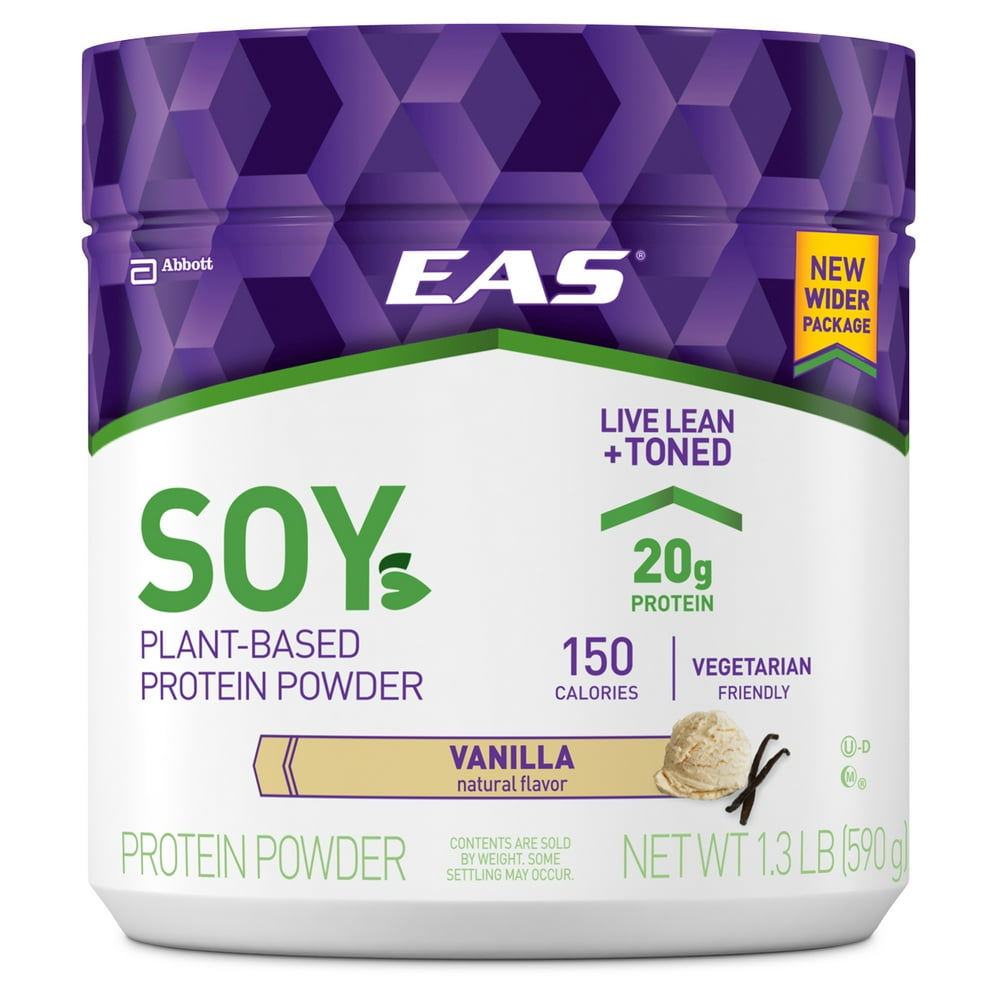
Soy Protein Powder: The Complete Guide to a Plant-Based Powerhouse
In recent years, there has been a growing interest in plant-based protein alternatives, and one such option that has gained popularity is soy protein powder. Derived from the humble soybean, this powder packs a nutritional punch and offers numerous health benefits. Whether you’re an athlete looking to build muscle or simply aiming to incorporate more plant-based proteins into your diet, soy protein powder deserves your attention.
What is Soy Protein Powder?
Soy protein powder is made from defatted soybeans, which are processed into a fine powder form. It contains all nine essential amino acids required by the body for optimal functioning, making it a complete source of protein. Unlike animal-based proteins like whey or casein, soy protein powder is suitable for vegans and vegetarians.
Health Benefits of Soy Protein Powder
1. Excellent Source of High-Quality Protein: With its impressive amino acid profile, soy protein powder provides high-quality protein that supports muscle growth and repair. It can be particularly beneficial for athletes or individuals engaging in regular physical activity.
2. Heart Health: Regular consumption of soy protein has been linked to improved heart health due to its ability to lower LDL (bad) cholesterol levels while maintaining HDL (good) cholesterol levels. This can reduce the risk of cardiovascular diseases such as heart attacks and strokes.
3. Weight Management: Including soy protein as part of a balanced diet may aid weight loss efforts due to its satiating effect. It helps keep you feeling fuller for longer periods and reduces overall calorie intake by curbing hunger pangs.
4. Bone Health: Soy contains naturally occurring compounds called phytoestrogens that have been shown to help maintain bone mineral density and reduce the risk of osteoporosis in postmenopausal women.
5. Hormonal Balance: Phytoestrogens present in soy mimic estrogen’s effects on our bodies without causing hormonal imbalances. This can be particularly helpful for women experiencing menopausal symptoms, such as hot flashes and night sweats.
How to Incorporate Soy Protein Powder into Your Diet
1. Smoothies: One of the most popular ways to consume soy protein powder is by adding it to smoothies. Blend it with fruits, vegetables, almond milk, or yogurt for a delicious and nutritious post-workout treat.
2. Baked Goods: Replace a portion of flour in your favorite muffin, pancake, or bread recipes with soy protein powder for an added protein boost without sacrificing taste.
3. Energy Bars: Homemade energy bars are a great way to enjoy the benefits of soy protein powder on the go. Combine it with nuts, seeds, dried fruits, and natural sweeteners like honey or dates for a healthy snack option.
4. Soups and Sauces: Boost the protein content of soups or sauces by sprinkling some soy protein powder while cooking. It adds thickness and nutrition without altering the flavor significantly.
Choosing a Soy Protein Powder
When selecting a soy protein powder, there are several factors to consider:
1. Organic vs Non-Organic: Opting for organic soy protein ensures that you’re consuming a product free from synthetic pesticides and genetically modified organisms (GMOs).
2. Isolated vs Concentrated: Isolated soy protein has higher purity levels compared to concentrated versions but may undergo more intensive processing methods.
3. Allergen Information: If you have any known allergies or sensitivities (e.g., gluten), ensure that the product is free from those allergens by checking labels carefully.
4. Flavoring Options: Some brands offer flavored varieties such as vanilla or chocolate if you prefer additional taste in your shakes or baked goods.
5.Taste Testimonials: Reading online reviews can give you insights into different brands’ taste profiles and help you make an informed decision before purchasing.
Potential Concerns and Considerations
While soy protein powder offers numerous health benefits, it’s essential to be aware of potential concerns:
1. Allergies: Individuals with soy allergies should avoid soy protein powder altogether or consult a healthcare professional before use.
2. Thyroid Function: Soy contains compounds called goitrogens that may interfere with thyroid function in some individuals. If you have a history of thyroid issues, it’s advisable to speak with your doctor before incorporating large amounts of soy products into your diet.
3. Processing Methods: Some people prefer minimally processed options as certain processing methods can alter the nutritional profile and add unwanted additives.
4. Personal Digestive Sensitivities: Like any new food, some individuals may experience digestive discomfort when introducing soy protein powder into their diet. Start with smaller servings and gradually increase to evaluate your tolerance level.
In conclusion, soy protein powder is an excellent plant-based alternative for those seeking high-quality protein sources or looking to reduce their reliance on animal-based proteins. It offers various health benefits, including heart health support, weight management assistance, bone strength maintenance, and hormonal balance improvements. When selecting a product, consider factors such as organic vs non-organic options, allergen information, taste preferences, and potential concerns related to allergies or personal sensitivities. With careful consideration and moderation in consumption based on individual needs and goals, adding soy protein powder to your diet can be a healthy choice towards achieving optimal nutrition and overall well-being!

Leave a Reply