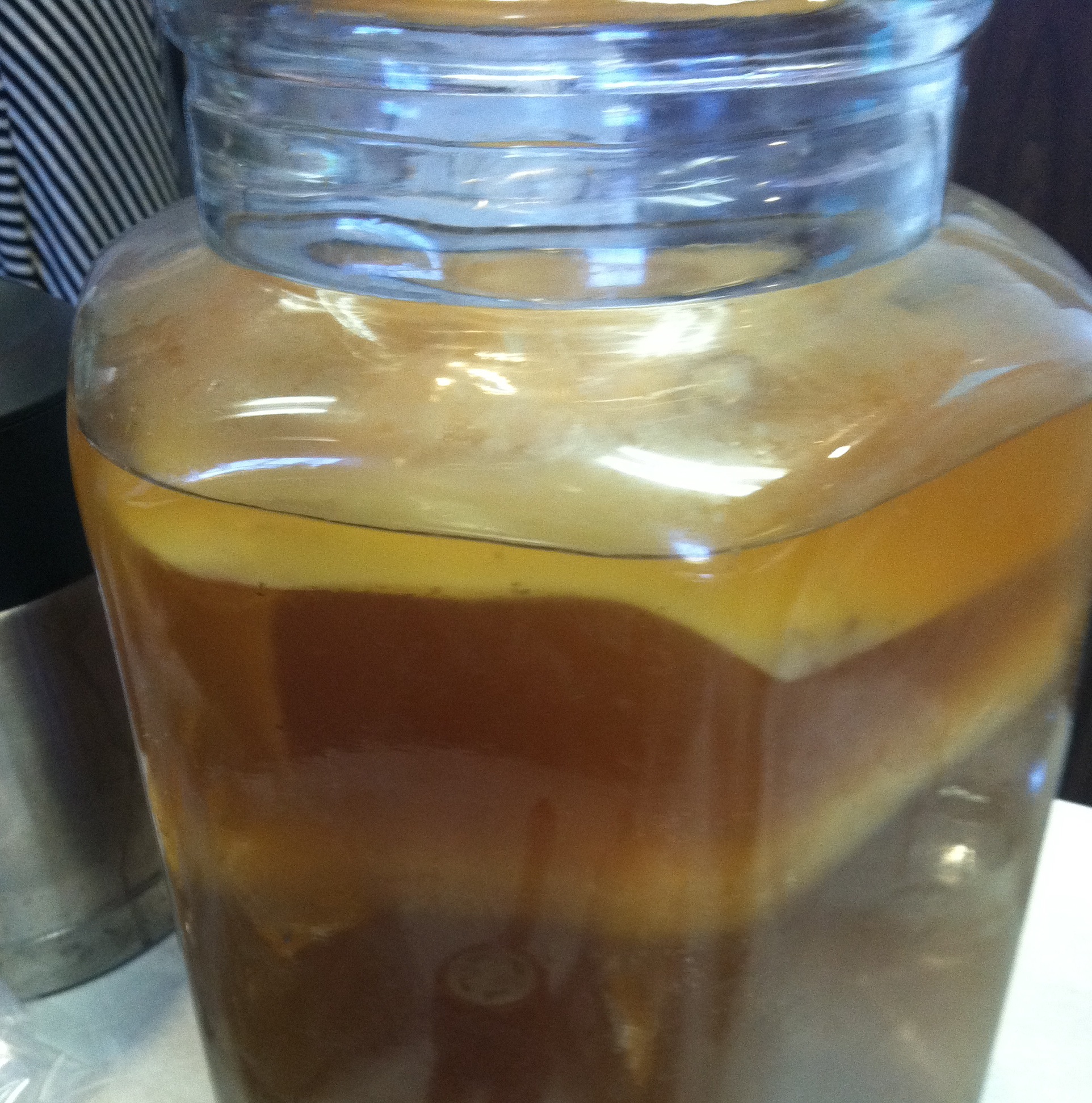
Fermentation is a process that has been used for centuries to preserve and enhance the flavors of various foods. One popular fermented beverage that has gained significant popularity in recent years is kombucha. Made from tea and sugar, kombucha undergoes fermentation by adding a SCOBY (symbiotic culture of bacteria and yeast) to create a delicious and probiotic-rich drink. In this article, we’ll explore eight different fermentation techniques for kombucha that can take your homemade brew to the next level.
1. Basic Fermentation: The first technique involves the classic method of fermenting kombucha. After preparing a sweetened tea base, add the SCOBY along with some starter liquid (previously made kombucha). Cover the container with a breathable cloth or paper towel secured with a rubber band. Let it sit at room temperature away from direct sunlight for about 7-14 days until it reaches your desired taste.
2. Continuous Brewing: As its name suggests, continuous brewing allows you to have an ongoing supply of fresh kombucha without having to wait for each batch to complete fermentation fully. This technique involves using a larger vessel with an attached spigot at the bottom where you draw off finished kombucha while adding fresh sweetened tea on top.
3. Second Ferment: Once your basic fermentation is complete, you can enhance the flavor profile of your kombucha by doing a second ferment. Transfer the fermented liquid into tightly sealed bottles or jars along with flavorings like fruit juice, chopped fruits, herbs, or spices. Allow them to sit at room temperature for an additional 1-5 days before refrigerating them to build up carbonation.
4. Carbonation Tricks: If you enjoy fizzy drinks but struggle to achieve adequate carbonation during second fermentation alone, here are two tricks you can try:
– Use swing-top bottles: These bottles create a better seal than regular ones and help retain carbon dioxide.
– Add a small amount of sugar or honey: The residual yeast in the kombucha will feed on this added sugar and produce carbon dioxide, resulting in natural carbonation.
5. Flavor Infusions: Experimenting with different flavors is an exciting part of brewing kombucha. You can achieve unique tastes by infusing your fermented tea with various ingredients such as fresh ginger, citrus zest, berries, vanilla beans, or even edible flowers. Simply add the desired flavorings to your brewed kombucha during the second ferment and strain them out before drinking.
6. Cold Brew Kombucha: Traditionally, kombucha is made using hot tea, but cold brew offers a milder and less acidic alternative. Instead of steeping the tea leaves in hot water for several minutes, allow them to soak overnight in cold water. Strain the liquid before adding it to your sweetened tea mixture along with the SCOBY.
7. Jun Kombucha: While traditional kombucha uses black or green tea, Jun kombucha is made with green tea and honey instead of sugar. This variation has a lighter taste profile and distinct floral notes due to the use of honey as a sweetener.
8. Herbal Kombucha: If you prefer to avoid caffeine altogether or want additional health benefits from herbs, herbal kombuchas are an excellent choice. Replace some or all of the tea leaves with dried herbs like chamomile, lavender, nettle leaf, hibiscus flower, or any other herb you enjoy.
Remember that fermentation times may vary depending on factors like temperature and personal preference for sweetness versus tartness. It’s also important to maintain cleanliness throughout the process by using sanitized equipment and covering containers properly to prevent contamination.
With these eight fermentation techniques at your disposal, you can explore various flavors while enjoying the numerous health benefits that come with drinking homemade kombucha!

Leave a Reply