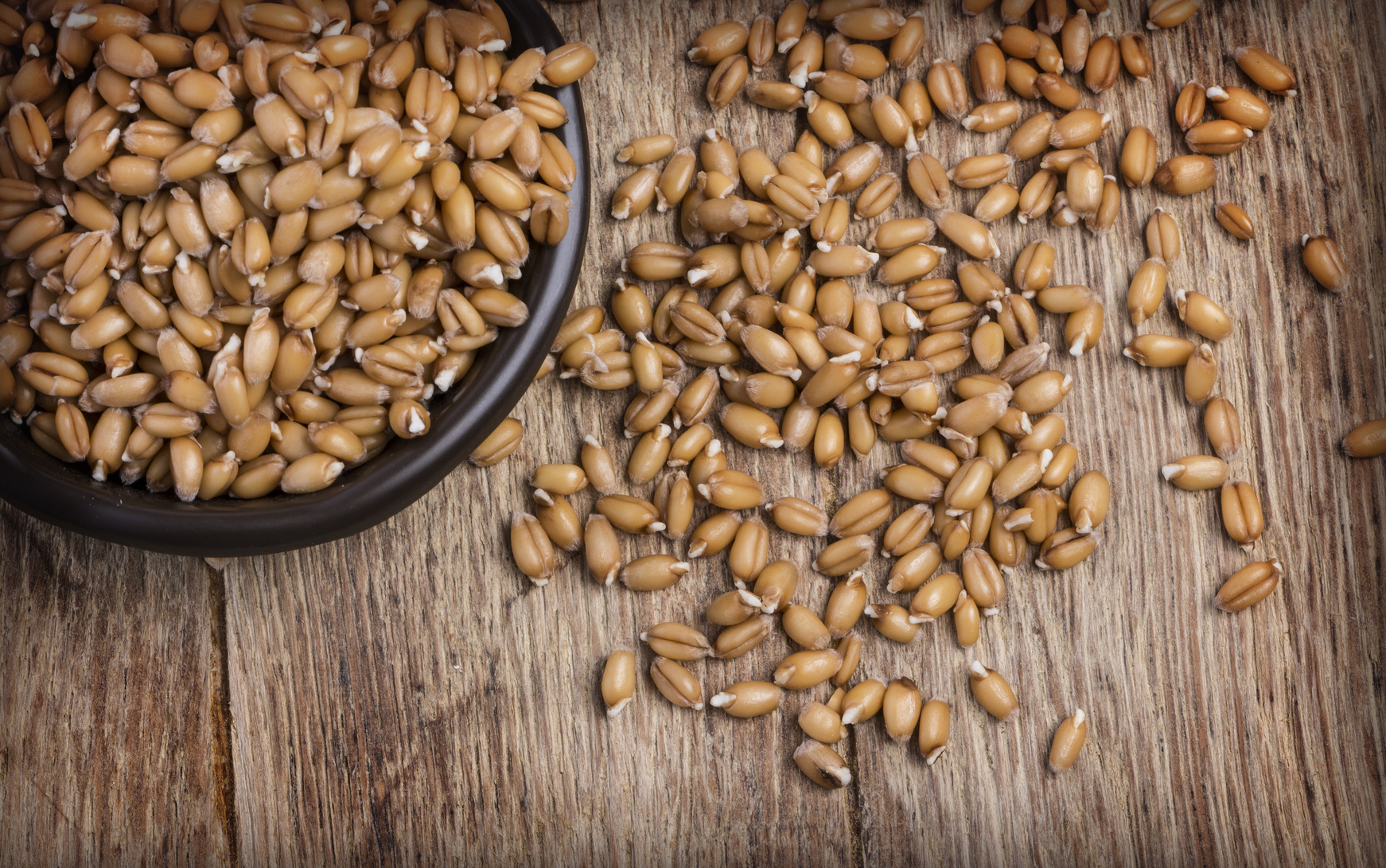
The Benefits of Sprouted Grains
In recent years, sprouted grains have gained popularity as a nutritious and versatile ingredient in the culinary world. While regular whole grains provide a wealth of health benefits, sprouting them takes their nutritional profile to another level. Sprouting involves soaking the grains in water until they germinate and start to sprout, which releases enzymes that enhance their nutrient content.
One of the main advantages of consuming sprouted grains is their increased digestibility. The process of sprouting breaks down complex carbohydrates into simpler sugars, making them easier for our bodies to absorb and utilize. This can be especially beneficial for individuals with digestive issues or sensitivities to gluten, as some studies suggest that sprouted grains may contain lower levels of gluten proteins.
Sprouted grains are also packed with essential nutrients such as vitamins, minerals, and antioxidants. During the germination process, certain vitamins like vitamin C and B vitamins increase significantly. For example, research has shown that sprouted wheat contains higher levels of folate compared to non-sprouted wheat. Folate plays a vital role in DNA synthesis and cell division and is especially important during pregnancy for proper fetal development.
Furthermore, sprouting enhances mineral absorption by reducing phytic acid – a compound found in many whole grains that inhibits mineral absorption in our bodies. By breaking down phytic acid through the process of germination, we can better access valuable minerals like iron, zinc, calcium, and magnesium present in these grains.
Another notable benefit is the potential reduction in antinutrients found in whole grain products through sprouting. Antinutrients are compounds naturally occurring in plants that may interfere with digestion or inhibit nutrient absorption when consumed excessively. Sprouting helps neutralize these antinutrients by activating enzymes that break them down or bind them together so they can no longer hinder nutrient absorption.
Sprouted grain products also offer unique flavors and textures compared to traditional whole grain options. The sprouting process results in a slightly sweeter taste and a softer, more delicate texture. This makes sprouted grain breads, rolls, and cereals an appealing alternative for those seeking variety in their diet.
To incorporate sprouted grains into your diet, there are various options available on the market today. Sprouted wheat flour can be used to make homemade bread or pastries with enhanced nutritional value. You can also find sprouted grain breads, tortillas, bagels, or even pasta at your local grocery store.
If you enjoy baking or cooking from scratch, experimenting with different types of sprouted grains like quinoa, barley, or brown rice can add depth and nutrition to your meals. Simply substitute regular grains with their sprouted counterparts in recipes like salads, stir-fries, soups, or grain bowls for added health benefits.
While incorporating sprouted grains into your diet is generally safe and beneficial for most people, it’s important to note that they still contain carbohydrates and should be consumed in moderation as part of a balanced diet. It’s always best to listen to your body and consult with a healthcare professional if you have any specific dietary concerns or conditions.
In conclusion, sprouted grains offer numerous advantages over traditional whole grains. They are easier to digest due to increased enzyme activity during the germination process and provide higher levels of essential nutrients such as vitamins and minerals compared to non-sprouted varieties. Incorporating sprouted grain products into your meals can not only enhance flavor but also boost overall nutritional intake. So why not give them a try? Your taste buds and body will thank you!
————————————————–
Lesser-Known Superfoods to Incorporate in Your Diet
When it comes to superfoods – foods packed with exceptional concentrations of nutrients – we often think about commonly known options like blueberries or kale. While these foods certainly deserve their reputation as nutrient powerhouses, there are many lesser-known superfoods that offer unique health benefits and deserve a spot on your plate.
1. Moringa: Moringa, also known as the “miracle tree,” is native to parts of Africa and Asia. Its leaves are rich in vitamins A, C, E, and minerals like calcium and magnesium. Additionally, moringa leaves contain antioxidants that can help fight oxidative stress in the body. You can enjoy moringa by adding powdered forms to smoothies or incorporating it into soups or stews.
2. Camu Camu: This small fruit from the Amazon rainforest is incredibly high in vitamin C – even higher than oranges! Vitamin C plays a crucial role in immune function and collagen production. Camu camu powder can be added to smoothies or used as a natural food coloring agent.
3. Sea Buckthorn: Sea buckthorn berries are packed with essential fatty acids such as omega-3s and omega-6s. These fatty acids contribute to healthy brain function, heart health, and reducing inflammation in the body. Sea buckthorn juice or oil can be used in smoothies or applied topically for skin health.
4. Baobab: The baobab fruit has been consumed for centuries in Africa due to its high vitamin C content and other essential nutrients like potassium, calcium, and fiber. It also contains prebiotic fibers that nourish beneficial gut bacteria, promoting digestive health. Baobab powder can be mixed into water or added to yogurt or baked goods for an extra nutritional boost.
5. Black Garlic: Black garlic is regular garlic that has undergone fermentation at low temperatures over several weeks until it turns black and develops a mellow flavor profile with hints of sweetness and umami taste notes. Fermentation enhances its antioxidant properties while reducing its pungent odor compared to raw garlic cloves.
6.Camu-Camu
7.Spirulina
8.Bee Pollen
9.Hemp Seeds
10. Chia Seeds
11. Maca Root
12. Wheatgrass

Leave a Reply