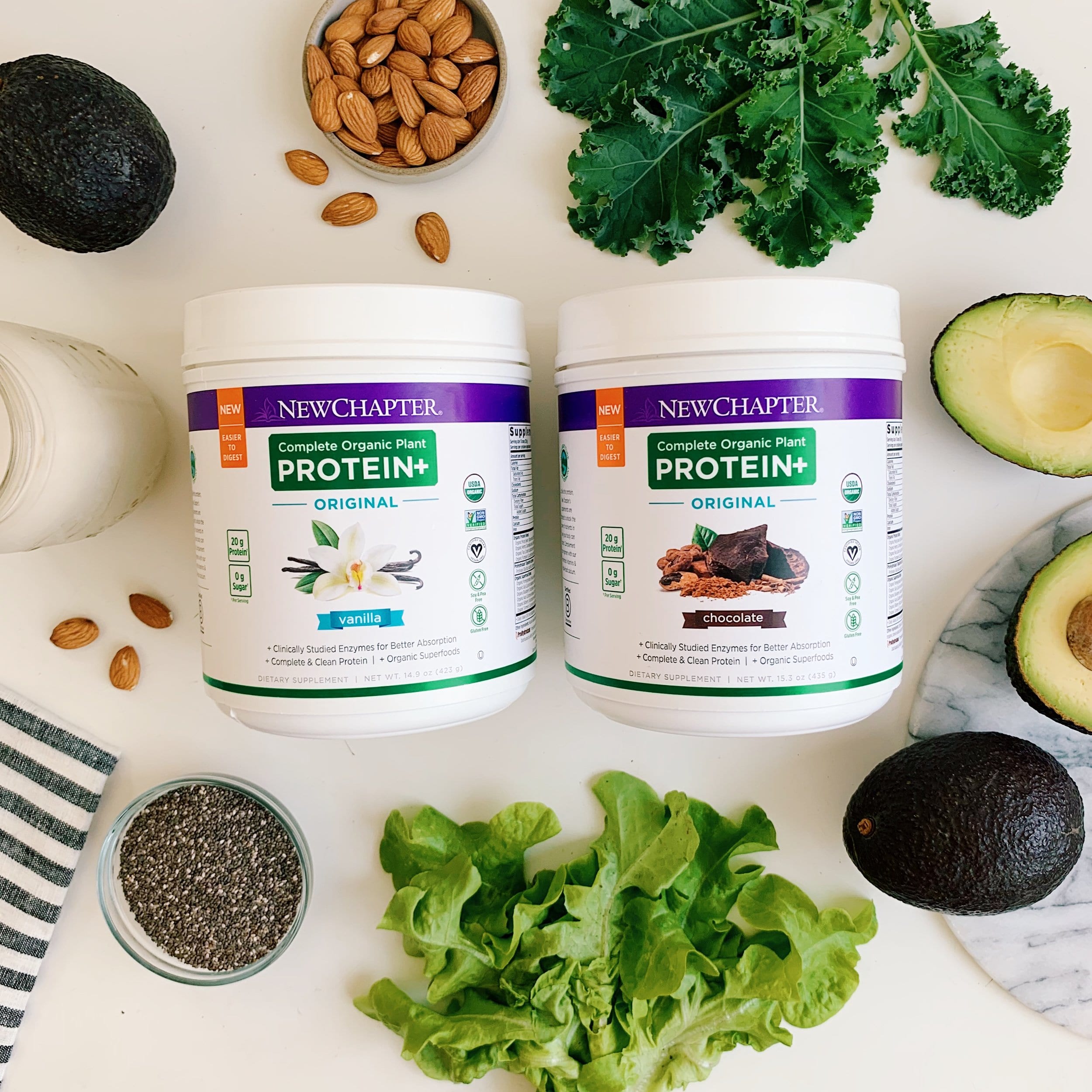
In recent years, plant-based diets have gained popularity as people become more conscious about their health and the environment. However, there are still some lingering myths surrounding plant-based protein sources that need to be debunked. Let’s separate fact from fiction and explore the truth behind these misconceptions.
Myth #1: Plant-based proteins lack essential amino acids.
Fact: While it is true that certain plant foods do not contain all the essential amino acids, a well-balanced plant-based diet can easily provide all the necessary protein building blocks. By combining different plant sources such as legumes, whole grains, nuts, and seeds in varied meals throughout the day, you can ensure you’re getting a complete range of amino acids.
Myth #2: Plant proteins are not as bioavailable as animal proteins.
Fact: The notion that animal-derived proteins are superior to plant-based ones is unfounded. Although some studies suggest that animal proteins may have a slightly higher digestibility rate compared to certain plant proteins on their own, this difference becomes negligible when considering a diverse range of plant foods consumed in a balanced diet.
Myth #3: Plant-based proteins don’t provide enough protein for muscle building.
Fact: Many athletes and bodybuilders thrive on vegan or vegetarian diets without compromising their muscle gains. Plant-based protein sources like soy products (tofu, tempeh), seitan, lentils, quinoa, edamame, and hemp seeds offer ample amounts of high-quality protein necessary for muscle growth and repair.
Myth #4: You need to consume large quantities of plant-based protein to meet your needs.
Fact: Protein requirements vary depending on factors such as age, weight, activity level, and overall health. Most people can easily meet their daily protein needs with around 0.8-1 gram per kilogram of body weight through a well-planned plant-based diet. Consuming excessive amounts of protein does not necessarily yield greater benefits and can strain the kidneys.
Myth #5: Plant-based proteins are tasteless and boring.
Fact: Plant-based proteins can be incredibly versatile, delicious, and satisfying. With a little creativity in the kitchen, you can whip up mouthwatering dishes using ingredients like chickpeas, black beans, lentils, tempeh, or tofu. From savory stir-fries to hearty stews and flavorful salads, the possibilities are endless.
In conclusion, plant-based protein sources offer an array of health benefits while dispelling common misconceptions. By consuming a varied diet rich in legumes, whole grains, nuts, seeds, and other plant foods, you can easily meet your protein needs without compromising on taste or nutrition. So go ahead and embrace the power of plants for a healthier lifestyle!

Leave a Reply