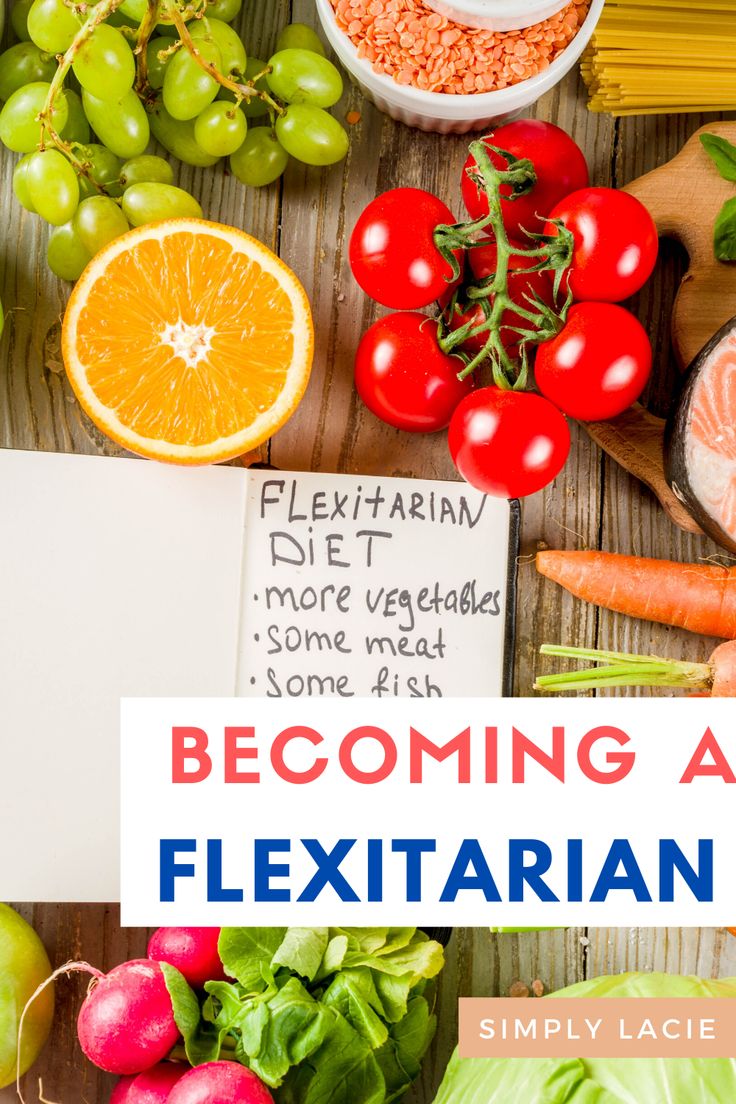
How to Transition to a Flexitarian Lifestyle
Introduction:
In recent years, there has been a growing trend towards adopting flexitarian diets. A flexitarian lifestyle is characterized by predominantly plant-based eating with occasional consumption of meat and animal products. This approach offers numerous health benefits, reduces environmental impact, and promotes sustainable living. If you’re considering transitioning to a flexitarian lifestyle but unsure where to start, this guide will provide helpful tips and insights.
Understanding the Flexitarian Diet:
The first step in transitioning to a flexitarian lifestyle is understanding what it entails. Unlike strict vegetarian or vegan diets that completely eliminate animal products, flexitarians have flexibility in their food choices while primarily focusing on plant-based foods such as fruits, vegetables, whole grains, legumes, nuts, and seeds. They also consume small amounts of meat or fish if desired.
Benefits of a Flexitarian Lifestyle:
There are several compelling reasons why individuals choose to adopt a flexitarian lifestyle. First and foremost is improved health. Plant-based diets are typically high in fiber, vitamins, minerals, antioxidants and lower in saturated fat compared to traditional Western diets that include significant amounts of processed meats. Studies have shown that following a flexitarian diet can reduce the risk of chronic diseases like heart disease, diabetes type 2 and certain types of cancer.
Another benefit lies in its positive environmental impact. The livestock industry contributes significantly to greenhouse gas emissions and deforestation; reducing meat consumption helps combat climate change by decreasing our carbon footprint.
Transitioning Tips:
Now that you understand the basics let’s dive into some practical tips for transitioning smoothly into a flexitarian diet:
1. Gradual Approach: Start by incorporating more plant-based meals gradually into your routine rather than making abrupt changes overnight. Begin with one or two days per week without consuming any meat or animal products before increasing the frequency over time.
2. Experiment with New Foods: Explore different fruits, vegetables, grains and legumes you haven’t tried before. This can be an exciting opportunity to discover new flavors, textures and expand your culinary horizons.
3. Replace Meat with Plant-Based Protein: When reducing meat consumption, it’s essential to find alternative sources of protein. Incorporate more legumes like lentils, chickpeas, and beans into your meals. Tofu, tempeh, seitan and plant-based meat substitutes are also great options for adding variety to your diet.
4. Focus on Whole Foods: Emphasize whole foods in your flexitarian diet such as fresh fruits and vegetables, whole grains like quinoa or brown rice, nuts, seeds and minimally processed foods. Avoid relying too heavily on processed vegetarian or vegan alternatives that may contain added sugars or unhealthy additives.
5. Plan Your Meals: Meal planning is crucial when transitioning to any new eating habit. Take some time each week to plan a menu that includes a balance of plant-based meals along with smaller portions of animal products if desired.
6. Find Recipe Inspiration: Explore cookbooks or online resources focused on vegetarian or plant-based recipes for inspiration. There are countless delicious dishes you can create using only plants which will help keep you motivated on this journey.
7. Be Mindful of Nutrient Intake: Ensure you’re meeting all your nutritional needs by paying attention to key nutrients commonly found in animal products but may need additional focus when following a flexitarian diet – vitamin B12, iron, zinc and omega-3 fatty acids (found in fish). Consider supplementing these nutrients if necessary after consulting with a healthcare professional.
8. Modify Social Gatherings: Inform family members and friends about your dietary choices so they can accommodate them when hosting gatherings or dining out together. Offer suggestions for restaurants that offer both plant-based and meat options so everyone can enjoy the meal without feeling excluded.
9. Stay Positive Through Challenges: Transitioning to any new lifestyle comes with challenges; however, it’s essential to stay positive and not be too hard on yourself. If you unintentionally consume meat or animal products at times, don’t let it discourage you. Remember that the goal is progress, not perfection.
10. Celebrate Small Victories: Acknowledge and celebrate your achievements along the way – whether it’s a whole week of plant-based eating or finding a new favorite recipe. These milestones will keep you motivated and reinforce your commitment to a flexitarian lifestyle.
Conclusion:
Embracing a flexitarian lifestyle can bring about significant health benefits while also contributing positively to our planet’s future. By gradually incorporating more plant-based meals into your routine, experimenting with new foods, and being mindful of meeting nutritional needs, you’ll find that transitioning becomes less challenging over time. Remember to approach this journey with an open mind and celebrate small victories along the way. Your body and the environment will thank you for making this positive change!

Leave a Reply