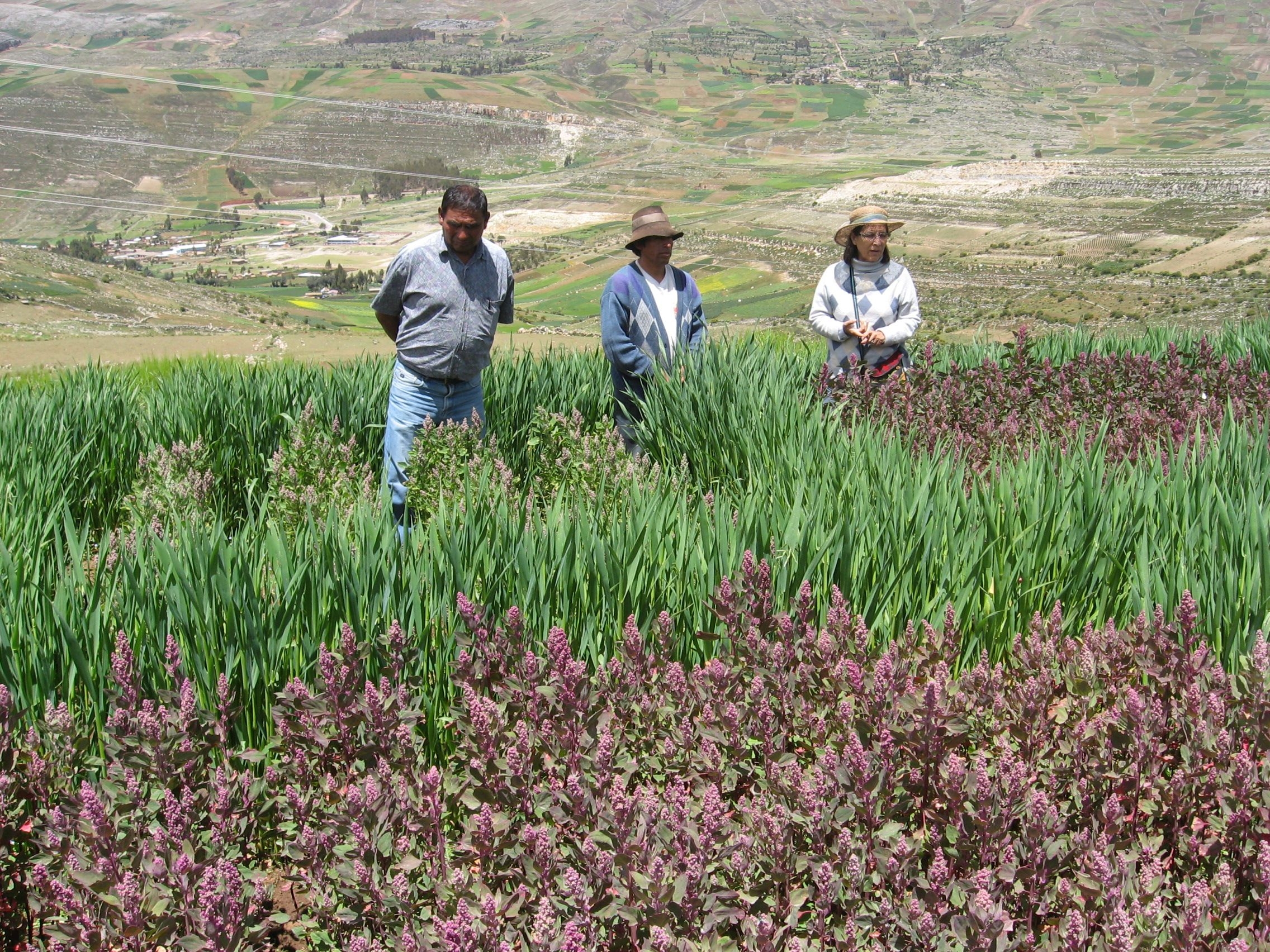
Quinoa, often referred to as a superfood, has gained immense popularity in recent years due to its numerous health benefits. This gluten-free grain is packed with protein, fiber, and essential vitamins and minerals. However, the production of quinoa comes with its own set of challenges that need to be addressed in order to ensure sustainable growth and availability worldwide.
One major challenge faced by quinoa farmers is the impact of climate change on crop yields. Quinoa is primarily grown in countries like Bolivia, Peru, and Ecuador where it thrives in high-altitude regions with cool temperatures and moderate rainfall. However, rising global temperatures have led to erratic weather patterns such as prolonged droughts or heavy rainfall which can negatively affect quinoa crops.
To address this challenge, researchers are working towards developing new varieties of quinoa that are more resilient to changing climatic conditions. By using traditional breeding techniques or employing genetic modification methods (GMO), scientists aim to create drought-tolerant and disease-resistant strains that can thrive even under adverse weather conditions.
Another significant issue facing the quinoa industry is soil degradation. As quinoa cultivation requires nutrient-rich soil for optimal growth, continuous farming without proper soil management practices can deplete the fertility of the land over time. This leads to decreased yields and poses a threat to long-term sustainability.
To combat this challenge, farmers are encouraged to adopt sustainable agricultural practices such as crop rotation and intercropping techniques. By alternating quinoa cultivation with other crops like legumes or cereals, nutrients are replenished naturally while reducing soil erosion. Additionally, organic fertilizers made from compost or animal manure can be used instead of chemical-based fertilizers which further contribute to soil degradation.
Water scarcity is yet another obstacle faced by quinoa farmers around the world. In regions where water resources are limited or unevenly distributed throughout the year, irrigation becomes crucial for successful crop production. However, conventional irrigation methods may not always be sustainable, leading to water wastage and increased production costs.
To overcome this challenge, farmers are increasingly adopting innovative irrigation techniques such as drip irrigation or sprinkler systems. These methods ensure that water is efficiently delivered directly to the roots of the plants, reducing evaporation and minimizing water usage. Additionally, rainwater harvesting and storage systems can be implemented to make the most of seasonal rainfall for quinoa cultivation.
In conclusion, while quinoa production faces various challenges worldwide, efforts are being made to find sustainable solutions. Through research and innovation in breeding techniques, soil management practices, and irrigation methods, farmers can adapt to changing climatic conditions and enhance crop yields. By addressing these challenges head-on, we can ensure a steady supply of this nutrient-dense grain for years to come.

Leave a Reply