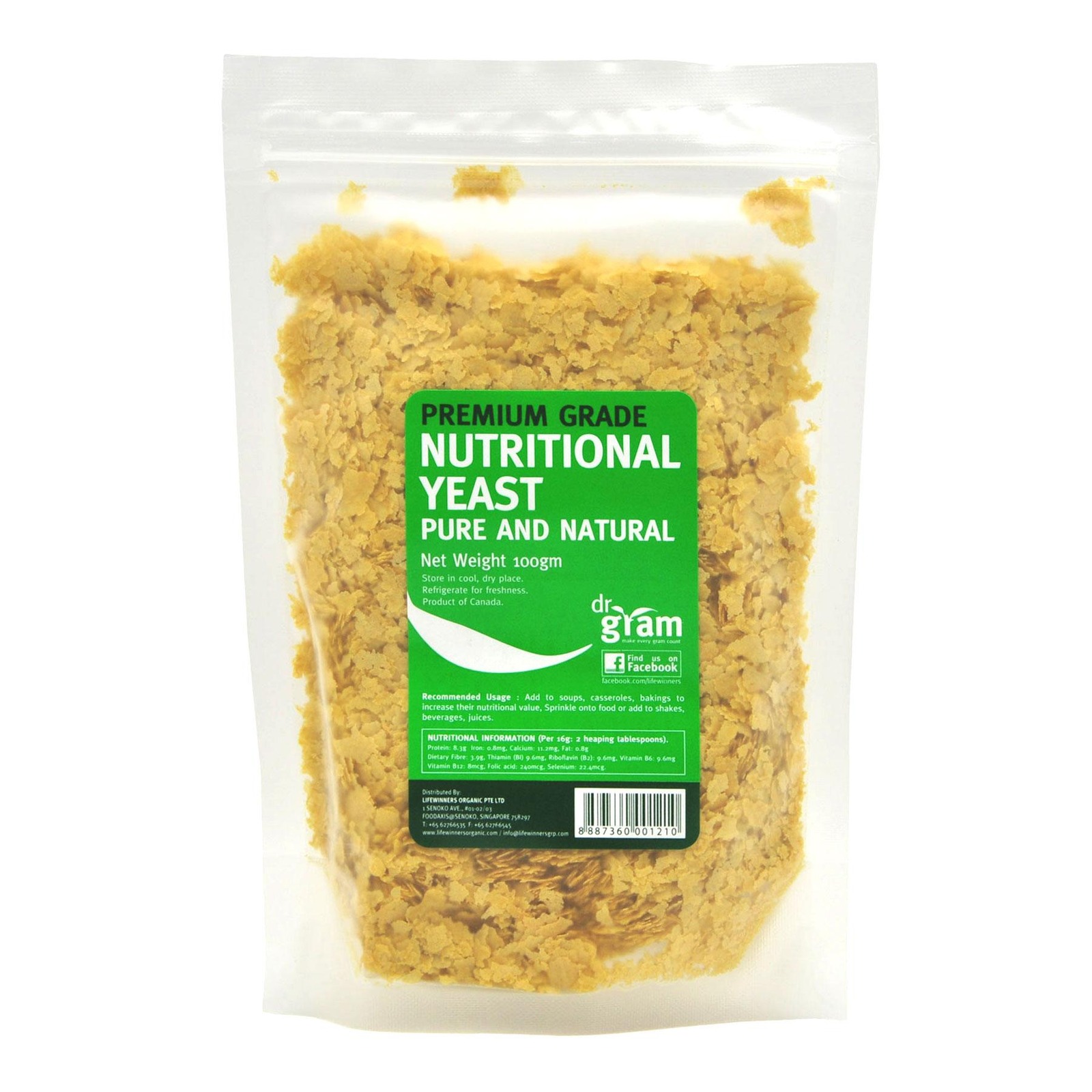
Nutritional yeast and plant-based protein sources in Italy
Italy is known for its rich culinary traditions, with dishes like pasta, pizza, and gelato taking center stage. But amidst all the deliciousness, there is a growing interest in healthier eating habits. As more people embrace plant-based diets or seek alternative protein sources, nutritional yeast has emerged as a popular choice.
Nutritional yeast, also known as “nooch,” is deactivated yeast that is sold in flake or powder form. It has gained popularity among vegans and vegetarians due to its cheesy flavor and high protein content. Unlike active yeast used for baking bread, nutritional yeast does not have leavening properties.
One of the reasons why nutritional yeast has become so popular is its versatility in cooking. It can be sprinkled on top of popcorn for a cheesy twist or used as a seasoning in soups, sauces, dressings, and even scrambled tofu dishes to add depth of flavor.
But what makes nutritional yeast truly stand out is its impressive nutrient profile. It’s an excellent source of complete protein containing all nine essential amino acids that our bodies cannot produce on their own. This makes it an ideal choice for those following plant-based diets who may struggle to meet their daily protein needs.
Not only does nutritional yeast offer high-quality protein; it’s also packed with B vitamins such as thiamine (B1), riboflavin (B2), niacin (B3), vitamin B6, folic acid (B9), and vitamin B12 – an essential nutrient often lacking in vegan diets since it’s primarily found naturally in animal products.
While not all brands fortify their nutritional yeast with vitamin B12, many do. This fortified version ensures that those following plant-based diets receive adequate levels of this crucial nutrient without relying solely on supplements.
In Italy specifically, the popularity of nutritional yeast continues to grow steadily among health-conscious individuals seeking flavorful alternatives to traditional ingredients. It can be found in specialty health food stores, organic markets, and even some mainstream supermarkets.
In addition to nutritional yeast, Italy boasts a wide array of plant-based protein sources that align perfectly with the country’s culinary traditions. These options not only provide essential nutrients but also add depth and richness to Italian dishes.
Legumes take center stage in Italian cuisine when it comes to plant-based protein sources. Beans, lentils, and chickpeas are staples in many traditional Italian dishes like pasta e fagioli (pasta with beans) or minestrone soup. These legumes not only provide protein but also fiber and other important minerals like iron and potassium.
Another popular plant-based protein source in Italy is tofu. While tofu may have originated from East Asia, it has found its way into Italian kitchens as a versatile ingredient for various recipes. Tofu can be marinated and grilled as a meat substitute or crumbled into sauces for added texture and flavor.
Italy is also home to an abundance of nuts – almonds, walnuts, pistachios – all of which are excellent sources of healthy fats, proteins, vitamins (particularly vitamin E), minerals (such as magnesium), and dietary fiber. They can be enjoyed on their own as snacks or incorporated into both sweet desserts like biscotti or savory dishes such as pesto sauce made with pine nuts.
Seitan is another plant-based alternative gaining traction in Italy due to its chewy texture similar to meat. Made from wheat gluten protein, seitan is often used as a meat substitute in popular Italian dishes such as stews or Bolognese sauce.
It’s worth mentioning that while these plant-based alternatives offer valuable nutrition benefits, they should still be consumed alongside a balanced diet that includes a variety of fruits, vegetables, whole grains, and other nutrient-rich foods.
As the interest in healthier eating grows across the world including Italy – nutritional yeast has become one of the go-to ingredients for those seeking plant-based protein sources. Its versatility, flavor, and nutrient profile make it a valuable addition to any kitchen pantry.
But let’s not forget about the other plant-based protein sources that Italy offers – legumes, tofu, nuts, and seitan – all of which can be incorporated into traditional Italian dishes without compromising on taste or nutritional value.
So whether you’re an Italian local or simply want to explore healthier options within Italian cuisine, consider adding these plant-based protein sources to your next culinary adventure. Your taste buds and body will thank you!

Leave a Reply