The Financial Benefits of Reducing Sugar Intake
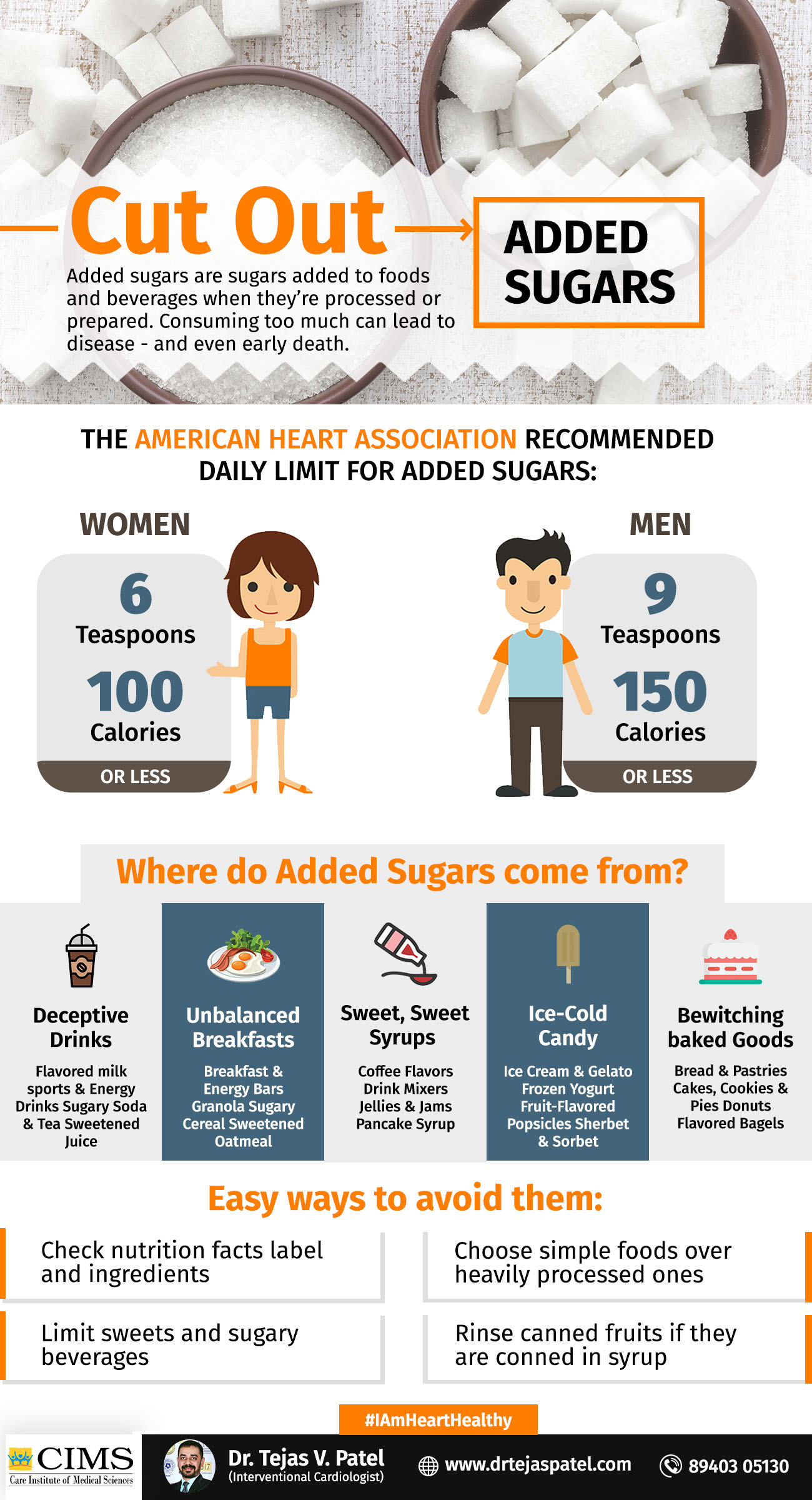
In recent years, there has been a growing awareness about the negative health effects of excessive sugar consumption. From weight gain and tooth decay to an increased risk of chronic diseases like diabetes and heart disease, the impact of too much sugar on our bodies is well-documented. However, what many people fail to realize is that reducing their sugar intake can also have significant financial benefits.
1. Lower Medical Expenses
One of the most obvious financial advantages of reducing sugar intake is lower medical expenses. The link between excess sugar consumption and various health conditions is clear. By cutting down on sugary foods and beverages, individuals may reduce their risk for developing these ailments, ultimately decreasing their need for medical care.
For instance, type 2 diabetes is strongly associated with high sugar consumption. By adopting a low-sugar diet and maintaining a healthy weight, individuals can significantly reduce their chances of developing this costly condition. Similarly, reducing one’s sugar intake can help prevent other obesity-related diseases such as hypertension and cardiovascular problems.
By avoiding or managing these chronic conditions through a healthier lifestyle, individuals can potentially save thousands or even tens of thousands of dollars in healthcare costs over time.
2. Reduced Dental Bills
Sugar plays a major role in tooth decay and cavities. When we consume sugary foods or drinks, bacteria in our mouths feed on the sugars left behind on our teeth and produce acids that attack tooth enamel over time.
Regular dental visits are crucial for maintaining oral health but they come at a cost—especially when dealing with dental issues caused by excessive sugar consumption. Fillings, root canals, extractions—all these procedures add up quickly financially.
By minimizing your sugar intake and practicing good oral hygiene habits (brushing twice daily with fluoride toothpaste), you decrease your chances of developing cavities or gum disease which translates into fewer dental appointments and less money spent at the dentist’s office.
3. Weight Management and Cost Savings
Sugar is a major contributor to weight gain. It has been suggested that excessive sugar intake can disrupt the body’s natural appetite regulation mechanisms, leading to increased hunger and overeating.
By reducing your consumption of sugary foods and beverages, you are likely to experience improved weight management. This means fewer trips to the store for unhealthy snacks, less money spent on takeout or fast food, and lower grocery bills in general.
Moreover, adopting a low-sugar diet often involves replacing processed foods with whole foods such as fruits, vegetables, lean proteins, and whole grains. While these options may seem more expensive at first glance, they tend to be more nutrient-dense and satiating than their sugary counterparts. As a result, you may find yourself eating smaller portions while still feeling satisfied—a win for both your waistline and your wallet.
4. Increased Energy Levels
While it may not have an immediate impact on your bank account like medical expenses or dental bills do, reducing sugar intake can lead to increased energy levels. Excessive sugar consumption causes blood sugar spikes followed by crashes that leave us feeling tired and sluggish.
When we rely on sugary snacks or drinks for quick energy boosts throughout the day, we create a vicious cycle of dependence on these high-sugar items. By cutting back on sugar consumption and focusing on balanced meals that include protein, healthy fats, complex carbohydrates (such as whole grains), and fiber-rich foods like fruits and vegetables; our bodies receive sustained energy without the roller-coaster effect caused by excessive sugar intake.
With higher energy levels comes increased productivity at work or school which can lead to opportunities for career advancement or financial rewards down the line.
5. Long-Term Financial Security
The financial benefits of reducing sugar intake extend beyond immediate cost savings related to healthcare expenses or dental bills—they also contribute to long-term financial security.
By prioritizing your health through proper nutrition choices—such as limiting sugar intake—you are investing in your future wellbeing. A healthy lifestyle reduces the risk of chronic diseases and improves overall longevity, enabling you to maintain an active and fulfilling life well into retirement.
The financial implications of this can be significant. With reduced healthcare costs, fewer medical procedures, and increased productivity, individuals who embrace a low-sugar diet may have more disposable income to invest or save for their retirement years.
Additionally, by avoiding obesity-related health issues caused by excessive sugar consumption, individuals may experience fewer work absences due to illness or disability. This can lead to career stability and better opportunities for professional growth—both of which can positively impact long-term financial security.
In conclusion, reducing sugar intake not only benefits our physical health but also has substantial financial advantages. By decreasing healthcare expenses, dental bills, improving weight management efforts leading to cost savings on food expenditures and increasing energy levels resulting in enhanced productivity—individuals who choose to reduce their sugar intake position themselves for long-term financial security while maintaining a healthier lifestyle. So why wait? Start today by making conscious decisions about the amount of sugar you consume and reap the rewards both physically and financially!

Leave a Reply