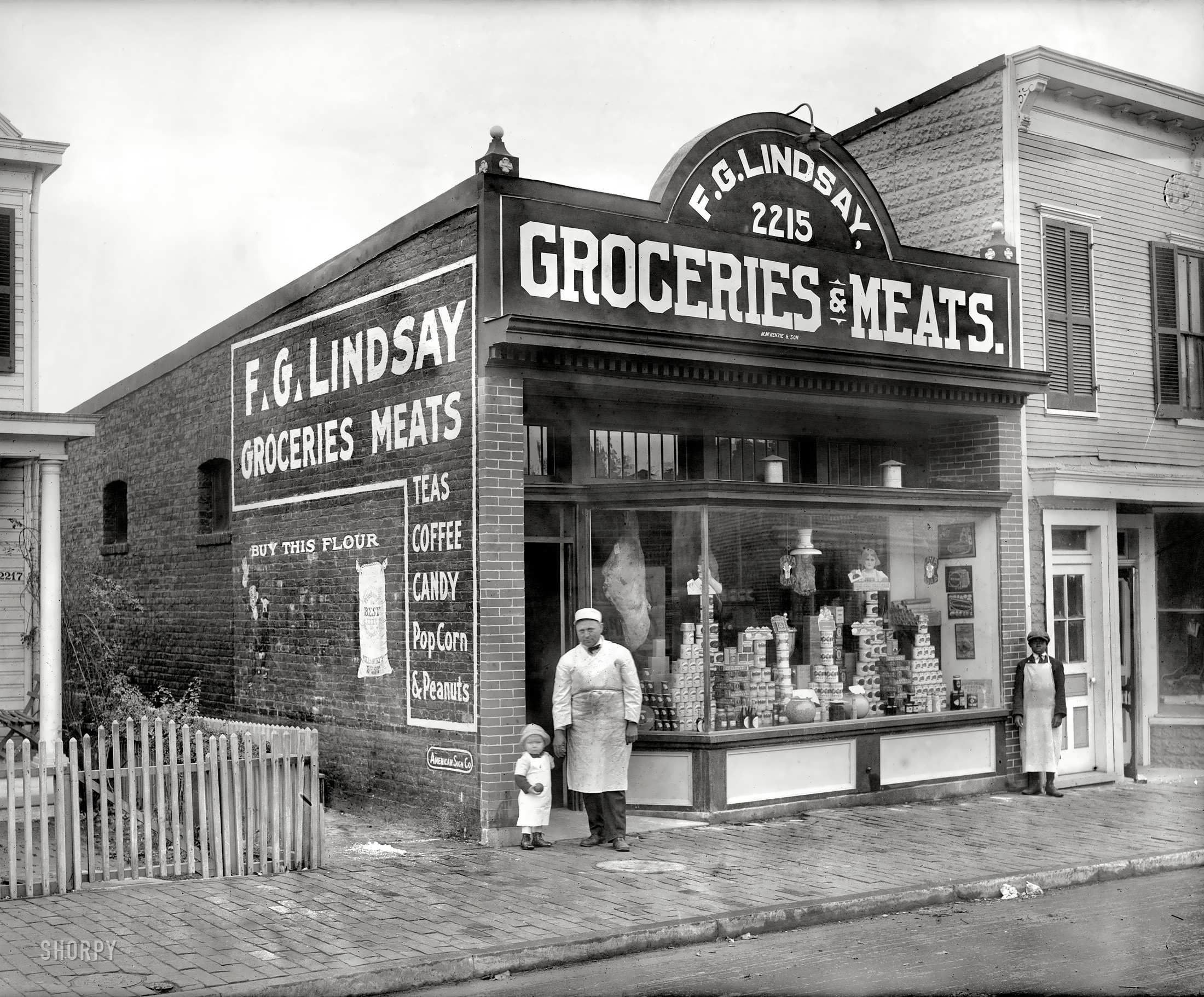
Saving Money on Groceries: A Historical Perspective
In today’s fast-paced world, where convenience often takes precedence over cost, finding ways to save money on groceries has become a necessity for many. However, the concept of frugality and resourcefulness when it comes to food is not new; in fact, it dates back centuries. Exploring the historical practices of saving money on groceries can provide valuable insights and inspiration for modern-day individuals seeking to eat healthy without breaking the bank.
1. Grow Your Own Food
Long before supermarkets and grocery stores existed, people relied heavily on growing their own food. This practice allowed them to have direct control over what they consumed while significantly reducing costs. Today, with limited space and time constraints, cultivating an entire garden may not be feasible for everyone. Nevertheless, even small-scale gardening can make a considerable difference in your grocery bill.
Consider starting with herbs or vegetables that are easy to grow indoors or in containers such as tomatoes, lettuce, or basil. Not only will you save money by eliminating the need to buy these items regularly but also gain access to fresh produce right at your fingertips.
2. Preserve Seasonal Surpluses
Preserving food has been an integral part of human history since ancient times when people used techniques like drying, smoking, fermenting, pickling or canning to extend the shelf life of perishable items. By preserving seasonal surpluses during times of abundance and scarcity alike ensured that nothing went to waste.
Embracing some traditional preservation methods can help you reduce costs by taking advantage of seasonal sales or bulk purchases without fearing spoilage:
– Drying: Invest in a dehydrator or use your oven at low temperatures (around 140°F) to dry fruits like apples or bananas as well as vegetables such as tomatoes.
– Canning: Utilize water bath canning techniques for high-acid foods like jams and jellies or pressure canning for low-acid foods like beans, soups, and stews.
– Freezing: Freeze excess fruits, vegetables, or even cooked meals in appropriate containers or resealable bags.
By preserving surplus produce when it’s plentiful and affordable, you can enjoy the flavors of summer throughout the year while avoiding the higher costs associated with buying out-of-season items.
3. Shop Locally and Seasonally
Before global trade networks connected every corner of the world, people relied primarily on locally grown, seasonal produce. They understood that eating according to nature’s cycles not only ensured freshness but also saved money. Embracing this historical practice today can benefit both your wallet and your health.
Shopping at local farmers’ markets allows you to support small-scale growers while accessing affordable fresh produce. Additionally, purchasing seasonal fruits and vegetables means they are more likely to be abundant and reasonably priced due to reduced transportation costs.
4. Waste Nothing
In previous eras when resources were scarce, wasting food was simply not an option. People used every part of an ingredient possible – from root to stem – utilizing creativity in the kitchen to turn leftovers into delicious meals.
To adopt this thrifty mindset in modern times:
– Use vegetable scraps such as onion peels or carrot tops to make homemade stocks or broths.
– Transform stale bread into croutons or breadcrumbs.
– Blend overripe fruit into smoothies or bake them into muffins.
– Repurpose leftover roasted chicken for salads or sandwiches.
By getting creative with leftovers and using up all edible parts of ingredients before discarding anything, you’ll minimize waste while maximizing your grocery budget.
5. Cook from Scratch
The rise of convenience foods has significantly impacted our wallets as well as our health. Pre-packaged meals often come at a premium price compared to cooking from scratch using basic ingredients like grains, legumes, meats, and vegetables.
Historically speaking, cooking from scratch was not a choice but rather a necessity. Today, it can be an empowering decision that saves money while providing more control over the quality and nutritional value of your meals.
Start by experimenting with simple recipes for staples like bread, pasta sauces, or soups. As you gain confidence in the kitchen, gradually expand your culinary repertoire to include more complex dishes. Not only will cooking from scratch save you money, but it will also allow you to customize flavors to suit your preferences and dietary needs.
6. Bulk Buying and Cooperative Purchasing
Throughout history, communities have come together to pool resources and reduce costs through cooperative purchasing or bulk buying. This practice allowed individuals to take advantage of wholesale prices while minimizing wastage and ensuring access to essential items.
Consider joining or creating a food-buying club with friends, family members, or neighbors who share similar healthy eating goals. By pooling resources and making bulk purchases directly from farmers or wholesalers, everyone involved benefits from reduced costs without having to purchase larger quantities individually.
7. Plan Meals Strategically
Prioritizing meal planning is another historical practice that can help optimize grocery spending today. By mapping out meals for the week ahead based on ingredients already available in your pantry and fridge, you avoid unnecessary purchases while maximizing utilization of what you have on hand.
Historically speaking:
– People planned meals around seasonal produce.
– They created multiple dishes using common base ingredients.
– Leftovers were repurposed creatively into new meals.
Taking inspiration from these practices can make meal planning an effective tool for saving money on groceries while reducing waste.
In conclusion, adopting historical practices of saving money on groceries not only offers economic benefits but also aligns with principles of sustainability and healthful living. Embracing concepts such as growing your own food, preserving seasonal surpluses through traditional techniques, shopping locally and seasonally, avoiding waste through creative cooking methods like utilizing leftovers fully – all contribute towards a healthier lifestyle that doesn’t strain your budget. By incorporating these historical approaches into modern-day living, we can truly achieve the best of both worlds.

Leave a Reply