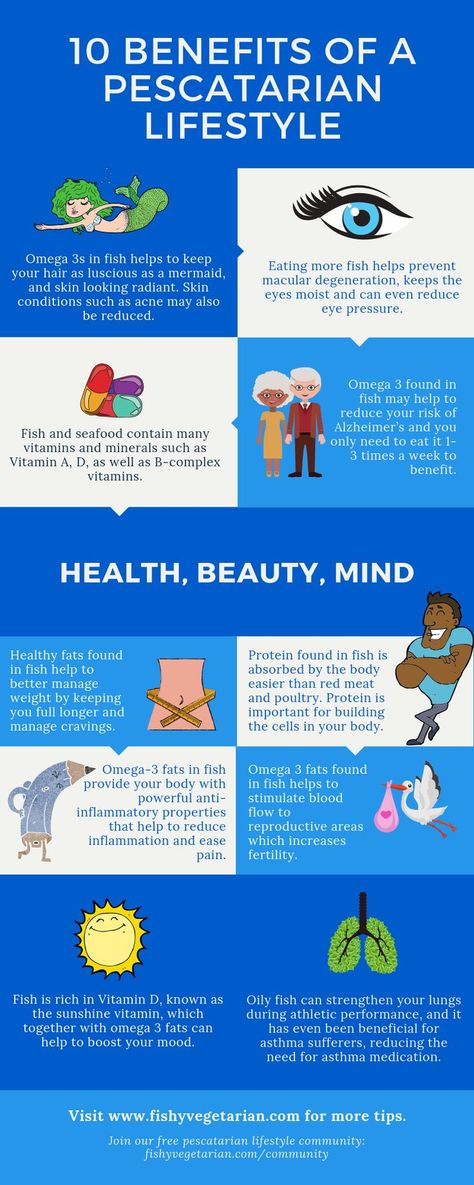
The Benefits of a Pescatarian Diet
In recent years, there has been a growing interest in plant-based diets and their health benefits. One such diet that has gained popularity is the pescatarian diet. A pescatarian diet is primarily vegetarian but includes fish and seafood as the only source of animal protein. This eating pattern offers a wide range of health benefits while still providing essential nutrients found in fish and seafood.
1. Heart Health
One of the significant advantages of following a pescatarian diet is its positive impact on heart health. Fish, especially fatty fish like salmon, mackerel, and sardines, are rich in omega-3 fatty acids. These healthy fats have been shown to reduce inflammation, lower blood pressure, prevent blood clot formation, and decrease triglyceride levels – all factors contributing to improved cardiovascular health.
Several studies have suggested that consuming omega-3 fatty acids can significantly reduce the risk of heart disease by improving lipid profiles and reducing the risk factors associated with cardiac events.
2. Nutrient-Rich Protein Source
Protein is an essential macronutrient necessary for building muscles, repairing tissues, producing enzymes and hormones, as well as supporting overall growth and development. While many people associate protein with meat consumption, it’s important to note that fish provides an excellent alternative for those who choose not to consume meat or follow strictly vegetarian diets.
Fish is considered a complete protein source since it contains all nine essential amino acids required by our bodies. Additionally, fish provides high-quality protein with minimal saturated fat compared to other animal sources like beef or pork.
3. Weight Management
Maintaining a healthy weight plays a crucial role in preventing chronic diseases such as diabetes and certain types of cancer while promoting overall well-being. The pescatarian diet can be beneficial for weight management due to several reasons:
a) Lower Calorie Content: Fish generally contains fewer calories compared to other animal proteins. This can help individuals achieve calorie deficits and support weight loss goals.
b) High Protein Content: As mentioned earlier, fish is an excellent source of protein. Consuming protein-rich foods increases satiety levels, reducing overall calorie intake and promoting feelings of fullness.
c) Healthy Fats: Omega-3 fatty acids present in fish not only benefit heart health but also play a role in weight management. These fats help reduce inflammation, which can contribute to obesity-related complications.
4. Brain Health and Cognitive Function
The omega-3 fatty acids found abundantly in fatty fish have been linked to improved brain health and cognitive function. DHA (docosahexaenoic acid), a type of omega-3, makes up a significant portion of the brain’s structure and plays a crucial role in its development and function throughout life.
Research suggests that regular consumption of omega-3 fatty acids may improve memory, attention span, problem-solving skills, and overall cognitive performance. Moreover, it has been associated with a reduced risk of age-related cognitive decline and neurodegenerative diseases like Alzheimer’s disease.
5. Reduced Risk of Chronic Diseases
Switching to a pescatarian diet may also lower the risk of developing certain chronic diseases:
a) Type 2 Diabetes: Several studies have shown that consuming fish as part of a balanced diet can reduce the risk of developing type 2 diabetes due to its high-quality protein content and beneficial effects on blood sugar regulation.
b) Hypertension: The omega-3 fatty acids found in fish are known for their ability to lower blood pressure levels by improving arterial function and reducing inflammation within blood vessels.
c) Certain Cancers: Some evidence suggests that regularly consuming fish may protect against several types of cancer such as colorectal cancer due to its anti-inflammatory properties provided by omega-3 fatty acids.
6. Environmental Sustainability
Apart from personal health benefits, adopting a pescatarian diet can have positive implications for the environment. Overfishing and unsustainable fishing practices are major concerns globally, but by choosing sustainably sourced seafood or supporting local fishers who follow ethical practices, individuals can help protect marine ecosystems.
Additionally, compared to traditional meat production, fishing has a lower carbon footprint and requires fewer resources like land and water. By reducing reliance on land-based animal agriculture, pescatarians contribute to minimizing deforestation, water pollution, greenhouse gas emissions, and habitat destruction.
Conclusion
The pescatarian diet offers numerous health benefits while still providing essential nutrients found in fish and seafood. From improving heart health to promoting brain function and reducing the risk of chronic diseases such as diabetes and certain cancers – this eating pattern is worth considering for those seeking a healthier lifestyle.
However, it’s important to note that individual dietary needs may vary. Before making any significant changes to your diet, it’s always advisable to consult with a healthcare professional or registered dietitian who can provide personalized recommendations based on your specific health goals and requirements.

Leave a Reply