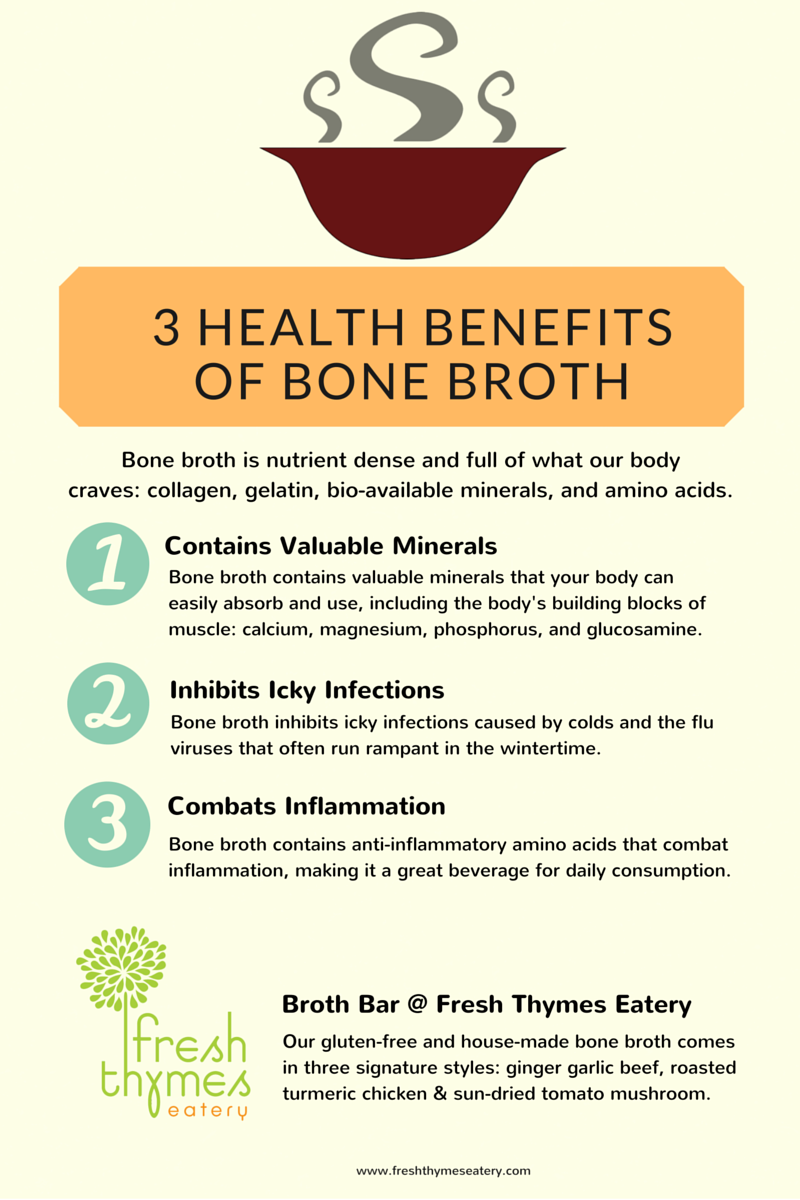
Bone broth has been gaining popularity in recent years, and for good reason. Not only is it delicious and comforting, but it also offers numerous health benefits. This nutrient-dense liquid can be used as a base for soups and stews, adding depth of flavor and a boost of nutrition to your dishes. In this article, we will explore the many advantages of using bone broth as a base for your recipes.
But first, what exactly is bone broth? Unlike regular stock or broth made from meat, bone broth is made by simmering animal bones (such as chicken carcasses or beef bones) with water and aromatic vegetables for an extended period of time. This slow cooking process allows the bones to release their collagen, gelatin, minerals, and other beneficial compounds into the liquid.
One of the key benefits of using bone broth as a base is its high nutrient content. Bones are rich in amino acids like glycine and proline, which play essential roles in maintaining gut health, supporting joint function, promoting skin elasticity, and aiding in detoxification processes within the body. Additionally, bone broth contains minerals such as calcium, magnesium, phosphorus, potassium that are easily absorbed by our bodies.
Another advantage of using bone broth is its ability to support digestive health. The gelatin found in bone broth helps rebuild the lining of the gastrointestinal tract while promoting healthy digestion and nutrient absorption. It can also aid individuals suffering from leaky gut syndrome or other digestive disorders due to its soothing properties.
The collagen present in bone broth contributes to improved skin health by increasing elasticity and hydration while reducing fine lines and wrinkles. Regular consumption may lead to more youthful-looking skin over time. Collagen also supports hair growth and strengthens nails.
Incorporating bone broth into your diet can be particularly beneficial for those looking to maintain strong joints or alleviate joint pain caused by conditions such as arthritis. The combination of collagen-rich bones with minerals like glucosamine and chondroitin sulfate can help reduce inflammation, support cartilage repair, and promote overall joint health.
Bone broth is a versatile ingredient that can be used in various recipes. Its rich flavor adds depth to soups, stews, sauces, and gravies. You can also use it as a cooking liquid for grains like rice or quinoa to enhance their taste. Additionally, bone broth makes an excellent base for braising meats or simmering vegetables.
When using bone broth in your recipes, consider the type of bones you use. Chicken bones are generally milder in flavor compared to beef bones. If you prefer a richer taste profile, opt for beef bones or even mix different types of bones for a more complex flavor.
To make your own bone broth at home, start by choosing high-quality organic or pasture-raised animal bones from trusted sources. Roast the bones before adding them to a large stockpot with water and vegetables like onions, carrots, celery, garlic cloves, and herbs such as thyme and bay leaves. Simmer the mixture over low heat for several hours (ideally 24-48 hours) to extract all the goodness from the bones into the liquid.
If making bone broth from scratch seems time-consuming or intimidating at first glance, don’t worry! Many grocery stores now offer pre-packaged versions of bone broth that are just as nutritious when sourced from reputable brands. Look out for options made with organic ingredients and without any artificial additives or preservatives.
Once you have your bone broth ready – whether homemade or store-bought – it’s time to start incorporating it into your favorite recipes. Here are some ideas:
1. Classic Chicken Noodle Soup: Use bone broth instead of regular chicken stock as the base for this comforting soup classic. The added collagen will give your soup a velvety texture while providing extra nutrients.
2. Beef Stew: Swap out regular beef stock with bone broth in your favorite beef stew recipe. The richness of the broth will enhance the overall flavor and make for a more satisfying dish.
3. Creamy Vegetable Soup: Blend cooked vegetables with bone broth to create a creamy and nutritious soup without relying on heavy creams or dairy products.
4. Gravy: Make a flavorful gravy by using bone broth as the liquid base, adding depth and richness to your holiday meals.
5. Risotto: Substitute part or all of the cooking liquid in risotto recipes with bone broth for an extra boost of flavor.
Remember, when using bone broth in your recipes, you may need to adjust the seasoning accordingly as it tends to be naturally savory. Taste your dishes as you go and add salt and other spices if necessary.
In conclusion, using bone broth as a base for soups and stews is not only a culinary delight but also provides numerous health benefits. From supporting gut health to promoting joint function and improving skin elasticity, this nutrient-dense ingredient offers something for everyone. Whether you choose to make your own from scratch or opt for pre-packaged versions from trusted brands, incorporating bone broth into your cooking repertoire can elevate both taste and nutrition in your meals. So why not give it a try? Your body (and taste buds) will thank you!

Leave a Reply