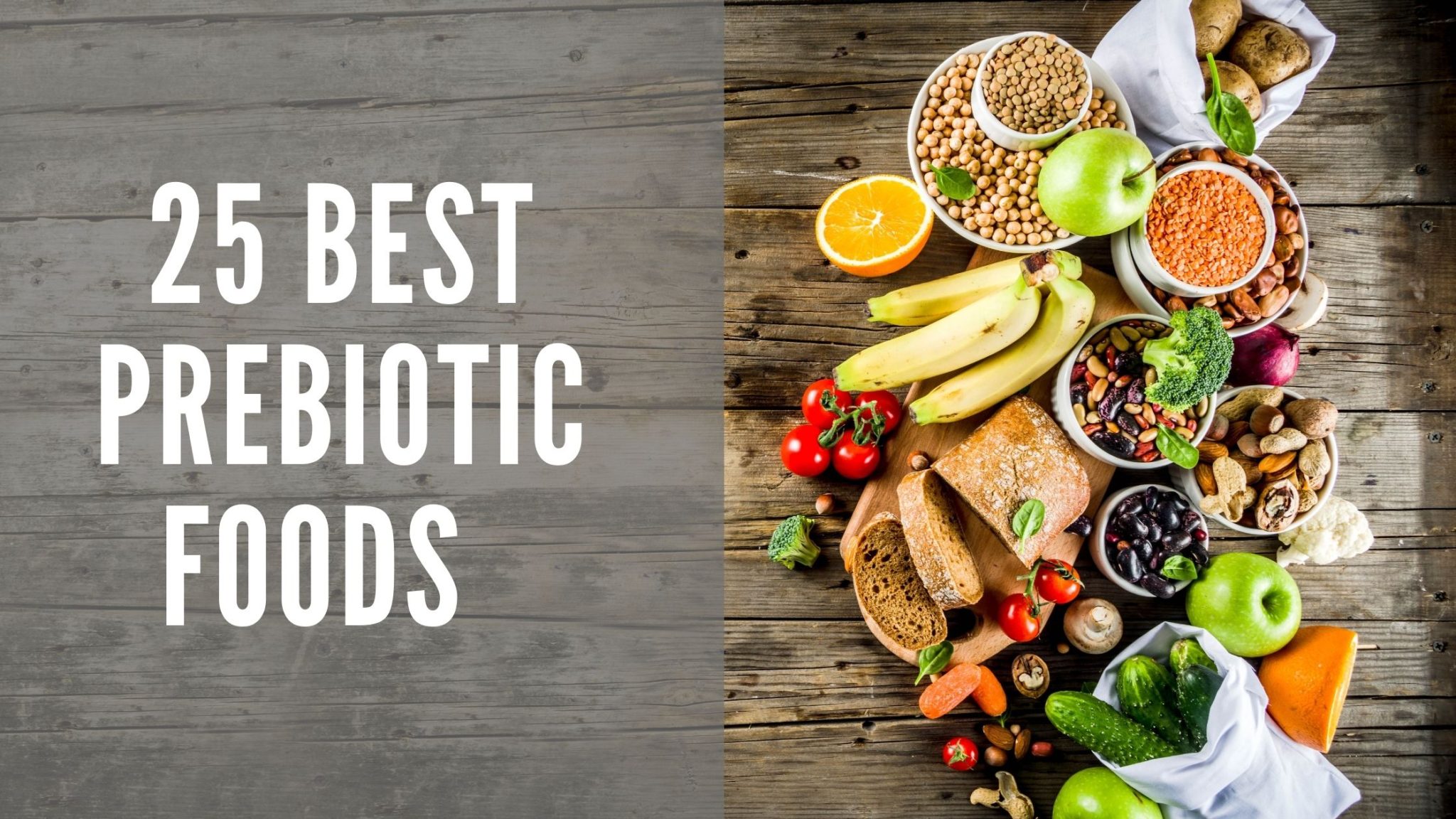
Cooking Techniques to Preserve Prebiotic Content in Food
When it comes to maintaining a healthy gut, prebiotics play a crucial role. These non-digestible fibers act as food for the beneficial bacteria in our digestive system, promoting their growth and overall gut health. While prebiotics naturally occur in many foods, they can be sensitive to heat and cooking methods that may degrade or destroy them. To ensure you’re getting the maximum benefit from these essential fibers, here are some cooking techniques that help preserve prebiotic content in your meals.
👉 Check it out: Shop Health Supplements on Amazon
1. Lightly steam or blanch vegetables: Vegetables like asparagus, broccoli, and Brussels sprouts are excellent sources of prebiotics but can lose their nutritional value if overcooked. To retain their prebiotic content, opt for gentle cooking methods such as steaming or blanching. This involves briefly immersing the vegetables in boiling water before quickly cooling them down in ice water to stop the cooking process. By doing this, you’ll maintain both the texture and prebiotic goodness of these veggies.
👉 Check it out: Shop Fitness Tracker on Amazon
2. Consume raw or lightly cooked onions and garlic: Onions and garlic are not only flavorful additions to meals but also contain high levels of prebiotics called fructans. However, excessive heating can break down these compounds. Enjoying onions and garlic raw or lightly cooked will help preserve their natural prebiotic content while still adding depth of flavor to your dishes.
3. Opt for shorter cooking times: When preparing foods rich in prebiotics like legumes (e.g., lentils, chickpeas) or grains (e.g., oats), try reducing the overall cooking time slightly compared to traditional recipes. This approach helps prevent excessive degradation of prebiotic fibers during prolonged heating processes.
4. Ferment foods whenever possible: Fermentation is an ancient preservation technique that not only enhances flavors but also increases the availability of certain nutrients, including prebiotics. Foods like sauerkraut, kimchi, and yogurt are teeming with beneficial bacteria and can serve as excellent sources of prebiotics. Incorporating these fermented foods into your diet ensures a double dose of gut-friendly goodness.
5. Store cooked foods properly: Even if you’ve used appropriate cooking techniques to retain prebiotic content, improper storage can still affect their availability. To maximize the benefits from prebiotic-rich meals, refrigerate cooked foods promptly and consume them within a few days. This reduces the risk of prebiotic degradation caused by prolonged exposure to air or higher temperatures.
By being mindful of these cooking techniques, you can enjoy delicious meals while preserving the essential prebiotics that support your digestive health. Remember that incorporating a variety of prebiotic-rich foods into your diet is key to maintaining a well-balanced gut microbiome. So get creative in the kitchen and experiment with different recipes that keep those valuable fibers intact for optimal gut health!
🛒 Recommended Products
As an Amazon Associate, we earn from qualifying purchases.
Disclosure: This post contains Amazon affiliate links. As an Amazon Associate, we earn from qualifying purchases at no additional cost to you.

Leave a Reply