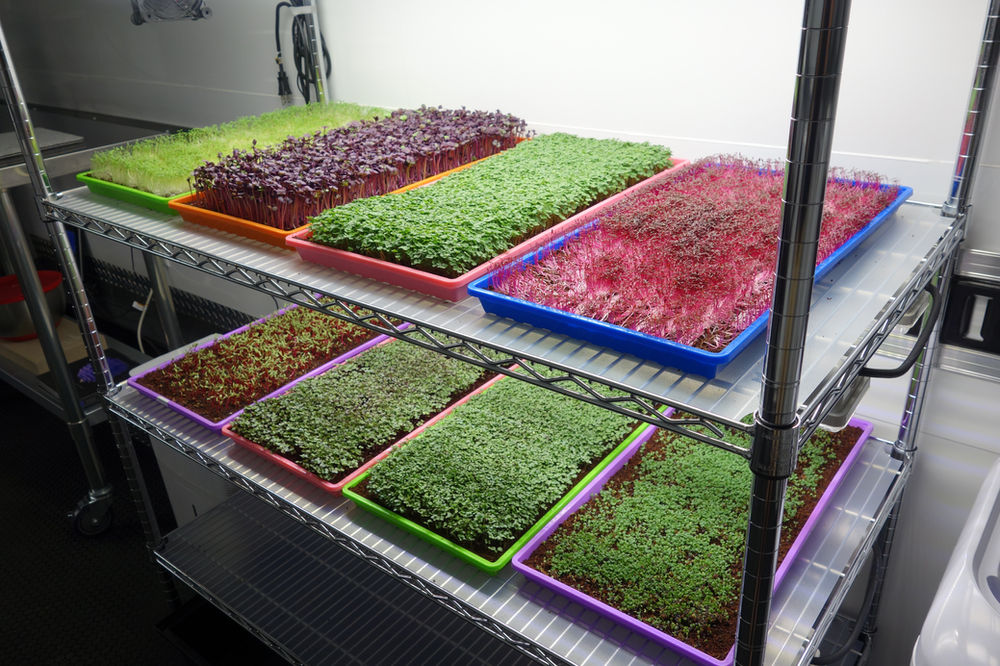
Microgreens have gained immense popularity in recent years, thanks to their high nutritional content and unique flavors. These tiny plants are packed with vitamins, minerals, and antioxidants that can boost your overall health. When it comes to growing microgreens, there are two main methods: soil-based and hydroponic.
Soil-based growing involves using a mixture of organic compost or potting soil to provide the necessary nutrients for the microgreens. This method has been used for centuries and is considered more traditional. It allows the plants to grow naturally, just like any other plant in nature. The soil acts as a medium for root development and nutrient absorption.
One of the major advantages of soil-based growing is its affordability. Potting soil or compost is readily available at garden centers or can even be made at home using kitchen scraps and yard waste. Additionally, this method provides a more natural environment for the microgreens as they receive essential nutrients from the organic matter present in the soil.
Another benefit of soil-based growing is that it offers better flavor profiles compared to hydroponic-grown microgreens. The earthy taste associated with microgreens grown in soil adds depth and complexity to dishes like salads, sandwiches, or garnishes.
On the other hand, hydroponic growing eliminates the need for soil altogether by placing roots directly into water enriched with nutrients. This method uses an inert medium such as perlite or coconut coir to support plant growth while providing stability without relying on natural soils’ properties.
Hydroponics offer several advantages over traditional methods. Firstly, since there is no reliance on natural soils that may contain pests or diseases, there’s less chance of contamination affecting crop yields. Secondly, hydroponics systems require less space than traditional farming practices due to vertical stacking capabilities – making them ideal for urban settings where space is limited.
Additionally, hydroponics allow for precise control over nutrient levels provided to plants resulting in faster growth rates and higher yields. Since the roots are submerged in nutrient-rich water, the plants can take up nutrients more efficiently, leading to healthier and more vibrant microgreens.
However, there are a few drawbacks to hydroponic growing as well. The initial setup cost for hydroponic systems can be higher compared to soil-based methods. Moreover, maintaining an optimal nutrient balance and pH levels in the water can be challenging for beginners.
In conclusion, both soil-based and hydroponic methods have their own unique advantages when it comes to growing microgreens. Soil-based growing offers a more affordable and natural approach with enhanced flavor profiles, while hydroponics provide precise control over nutrient delivery resulting in faster growth rates and higher yields. Whether you choose one method over the other depends on your personal preferences, resources available, and space constraints. Regardless of your choice, incorporating these nutritious microgreens into your diet is sure to elevate your healthy eating journey!

Leave a Reply