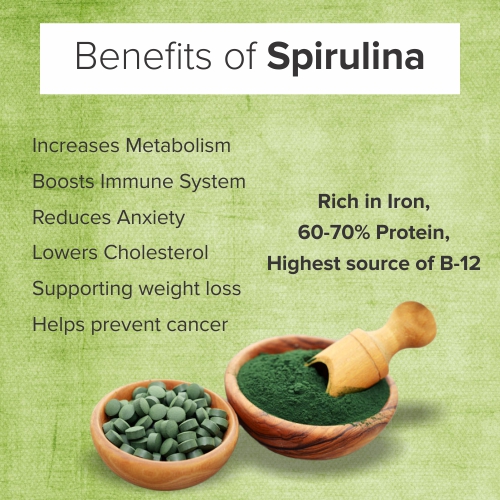
Spirulina, a type of blue-green algae, has gained significant popularity in recent years due to its numerous health benefits. Packed with essential nutrients and antioxidants, spirulina is often considered a superfood that can enhance overall well-being. This article will explore the various benefits of spirulina and shed light on why incorporating it into your diet may be an excellent choice for promoting optimal health.
1. Nutritional Powerhouse
One of the primary reasons spirulina is hailed as a superfood is because it is loaded with an impressive array of nutrients. It contains high levels of protein, vitamins (such as B-complex vitamins), minerals (including iron and magnesium), and essential fatty acids, making it an incredibly nutrient-dense food source.
In fact, when compared gram for gram, spirulina surpasses many other commonly consumed foods in terms of nutritional value. This makes it particularly beneficial for individuals following plant-based or vegetarian diets who may struggle to obtain certain nutrients from animal products alone.
2. Rich Source of Protein
Protein plays a crucial role in building and repairing tissues throughout the body. Spirulina offers an excellent source of protein as it contains all nine essential amino acids required by humans. Furthermore, its protein content is highly digestible, meaning that the body can easily absorb and utilize the amino acids present in spirulina.
For vegetarians or vegans who may have limited options when it comes to complete sources of protein, incorporating spirulina into their diet can help ensure they meet their daily protein requirements more effectively.
3. Powerful Antioxidant Properties
Antioxidants are compounds that protect our cells from damage caused by harmful molecules called free radicals. These free radicals are produced naturally within our bodies but can increase due to factors such as pollution, UV radiation exposure, smoking, or poor dietary choices.
Spirulina contains several potent antioxidants like phycocyanin and beta-carotene, which help combat oxidative stress and reduce inflammation in the body. By incorporating spirulina into your diet, you can enhance your body’s defense system against free radicals, potentially reducing the risk of chronic diseases like heart disease and certain types of cancer.
4. Immune System Support
A robust immune system is crucial for warding off illnesses and maintaining optimal health. Spirulina contains various nutrients that support immune function, including vitamins A, C, E, and B-complex vitamins.
Additionally, studies have shown that spirulina has immunomodulatory effects on the immune system. It stimulates the production of antibodies and enhances natural killer cell activity, helping to strengthen the body’s defenses against infections and diseases.
5. Potential Anti-Cancer Properties
Although further research is needed to fully understand its anti-cancer mechanisms, early studies suggest that spirulina may possess potential anticancer properties.
Spirulina’s antioxidant content helps neutralize free radicals that can damage DNA and lead to cancer development. Moreover, some compounds found in spirulina have demonstrated anti-inflammatory effects while others have been shown to inhibit tumor growth in animal studies.
While it is important to note that more human-based research is required before any definitive claims can be made about spirulina’s role in preventing or treating cancer in humans, these initial findings are promising.
6. Heart Health Promotion
Heart disease remains one of the leading causes of death worldwide. However, adopting a healthy lifestyle alongside a nutrient-rich diet can significantly reduce the risk factors associated with cardiovascular conditions.
Several components present in spirulina contribute to heart health promotion. Its high concentration of antioxidants helps prevent oxidation of LDL cholesterol (often referred to as “bad” cholesterol), reducing plaque formation within arteries. Additionally, studies have shown that certain compounds found in spirulina may lower blood pressure levels by relaxing blood vessels’ walls.
7. Enhanced Exercise Performance and Recovery
For athletes and fitness enthusiasts, spirulina may be a valuable addition to their dietary regimen. Its high protein content provides essential amino acids necessary for muscle repair and growth.
Furthermore, spirulina contains an amino acid called phenylalanine, which has been found to stimulate the production of dopamine in the brain. Dopamine is known to enhance mood and reduce perceived exertion during exercise, potentially leading to improved performance and endurance.
Additionally, some studies suggest that spirulina’s antioxidant properties can help reduce exercise-induced oxidative stress and inflammation, promoting quicker recovery after intense physical activity.
8. Potential Anti-inflammatory Effects
Chronic inflammation is believed to contribute to the development of various diseases such as diabetes, obesity, and autoimmune disorders. Spirulina’s anti-inflammatory effects have been attributed to its antioxidants like phycocyanin.
Several studies have indicated that spirulina can effectively suppress inflammatory markers in both animal models and human subjects with conditions such as allergic rhinitis or arthritis. While more research is needed on this topic, these findings suggest that incorporating spirulina into your diet may help alleviate chronic inflammation within the body.
9. Detoxification Support
In our modern world filled with environmental pollutants and toxins present in food additives or medications we consume daily, supporting our body’s detoxification processes becomes increasingly important.
Spirulina offers potential detoxifying benefits due to its high chlorophyll content—a pigment responsible for its vibrant green color. Chlorophyll has been shown to bind with certain toxic compounds in the body (such as heavy metals) and facilitate their elimination through waste products like feces or urine.
10. Weight Management Aid
Maintaining a healthy weight is an essential aspect of overall well-being. Spirulina may aid weight management due to several factors:
– Protein-rich: The high protein content of spirulina helps promote feelings of fullness while also stimulating metabolism.
– Low-calorie: Spirulina is relatively low in calories, making it a suitable addition to a calorie-controlled diet.
– Blood sugar regulation: Studies have suggested that spirulina may help regulate blood sugar levels, potentially reducing cravings and controlling appetite.
When combined with a balanced diet and regular exercise, incorporating spirulina into your weight management plan may help support healthy weight loss or maintenance.
Conclusion
Spirulina’s exceptional nutritional profile and numerous health benefits make it an excellent choice for anyone looking to enhance their overall well-being. From its protein content to antioxidant properties, potential anti-cancer effects, immune system support, heart health promotion, exercise performance enhancement, anti-inflammatory capabilities, detoxification aid, and weight management assistance—spirulina offers a wide range of advantages.
However, as with any dietary supplement or superfood, it is important to consult with a healthcare professional before incorporating spirulina into your routine. They can provide personalized advice based on your specific health needs and considerations.
So why not consider adding this powerful algae to your daily diet? Embrace the benefits of spirulina and take a step towards optimal health today!

Leave a Reply